Senator Ndume Criticises Continued Police Deployment to VIPs Despite Presidential Directive
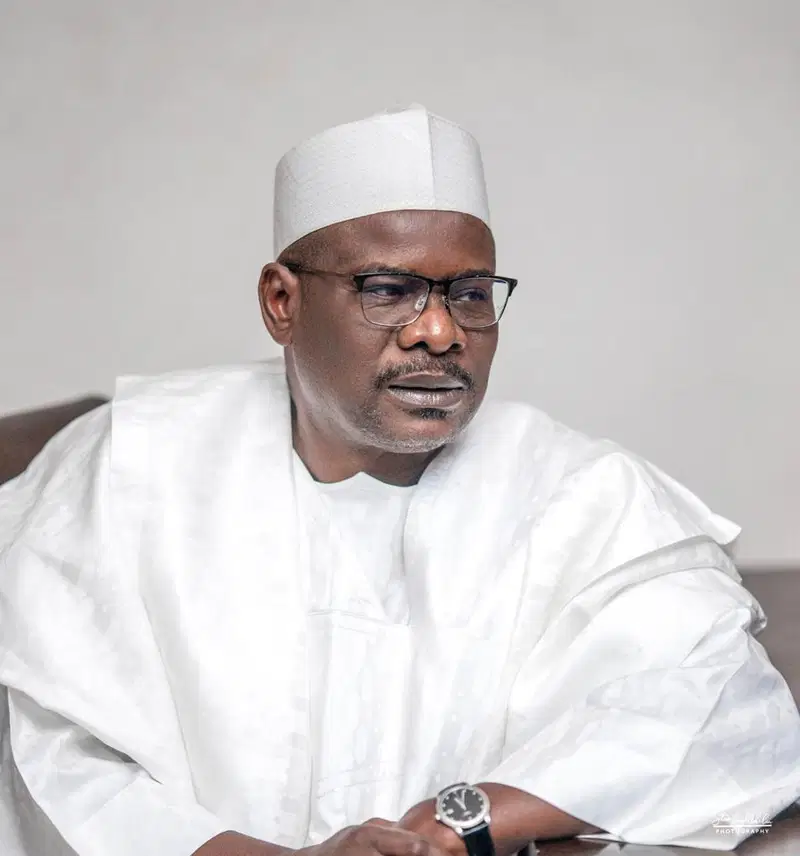

Senator Ali Ndume has openly criticised the ongoing practice of assigning large numbers of police personnel to politically exposed persons (PEPs), despite an existing directive from President Bola Ahmed Tinubu ordering security agencies to reduce or eliminate police escorts attached to VIPs. The senator expressed his concerns during a recent interview, highlighting what he described as a misuse of national security resources at a time when ordinary citizens continue to face growing security threats.
According to Ndume, many political officeholders still benefit from police escorts running into multiple units, a situation he believes contradicts the government’s stated commitment to restructuring national security operations. He argued that the continued diversion of officers to protect individuals rather than communities diminishes the overall security architecture and leaves the general population vulnerable.
Related News

Billionaire Abdul Samad Rabiu Pledges Multi-Million Dollar Incentives to Super Eagles Ahead of AFCON Semi-Finals
Nigerian billionaire Abdul Samad Rabiu has pledged millions of dollars in performance-based incentives to the Super Eagles as they advance…
Ndume recalled specific instances that he said illustrate the extent of the problem. Without naming the individual involved, he referenced the son of a politically exposed person who reportedly moves around with an entire convoy of police escorts. The senator described the arrangement as unnecessary, improper, and unfair, stating that such practices signal a disconnect between public officeholders and the citizens they serve.
The lawmaker went on to describe a personal experience during a recent visit to a colleague’s residence. According to him, he found ten police officers assigned to guard the home, a number he described as excessive. Ndume argued that deploying large contingents of officers to private individuals—particularly those already operating within secure residential environments—amounts to a misuse of manpower that should instead be directed toward protecting communities facing daily insecurity.
He emphasised that the situation reflects broader structural inefficiencies within the nation’s policing strategy. Ndume noted that Nigeria’s police force is already undermanned, with the country operating below international standards for police-to-citizen ratios. He warned that continuously diverting officers to VIP protection only worsens the strain on the system.
The senator also extended his criticism to the size of the presidential convoy, calling for a more streamlined and efficient approach to executive movement. He argued that with adequate security in the Federal Capital Territory, the President would require fewer vehicles and personnel while moving around the city. According to him, a well-secured Abuja would allow even the President to drive with minimal escort, thereby reducing the concentration of security resources around a single individual.
Ndume stressed that prioritising the protection of a few elites inadvertently increases the vulnerability of ordinary Nigerians. He warned that unless the government invests more effort in community-level security and adheres strictly to policies regulating police deployment, public confidence in the security system will continue to decline.
He concluded by urging security agencies to align fully with the President’s directive and adopt a more equitable distribution of personnel. In his view, genuine security reform must begin with ensuring that the lives of ordinary citizens are valued as highly as those of high-ranking officials.