Nigeria Sets Ambitious Plan to Begin Manufacturing Aircraft Components, Targets Regional Aviation Dominance
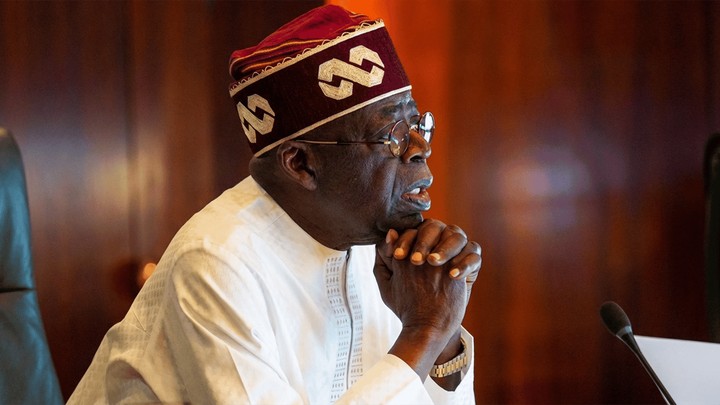

Nigeria is taking steps toward transforming its aviation sector with a bold plan to begin manufacturing aircraft components locally, President Bola Ahmed Tinubu announced on Tuesday. Represented by the Secretary to the Government of the Federation, George Akume, the president delivered the message at the maiden Nigerian International Airshow — an event he described as a landmark moment that places Nigeria among global hosts of world-class aviation showcases.
According to the president, the long-term goal is to position Nigeria as the aviation hub for West and Central Africa. To achieve this, the Federal Government is expanding infrastructure, strengthening regulatory compliance, deepening international partnerships, and pursuing industrialisation within the sector — including component manufacturing and advanced maintenance operations.
Tinubu projected that revenue from the aviation industry could rise to $2.56 billion by 2029, supported by surging passenger traffic, expanded routes, and major infrastructure investments. Passenger numbers, which reached 15.89 million in 2023, are forecast to climb to 25.7 million within five years.
A central part of the government’s strategy is aggressive infrastructural development. Tinubu highlighted the ongoing ₦712 billion refurbishment of Lagos’ Murtala Muhammed International Airport, alongside upgrades across six other major airports and several runways nationwide. These improvements, he said, are essential for meeting global aviation standards and attracting new investments.
The president also noted that Nigeria now ranks number one in Africa for compliance with international aviation safety and regulatory frameworks. The country’s Cape Town Convention score — which determines aircraft financing and leasing eligibility — rose from 49.5% to 75.5%, a shift he said has boosted investor confidence and enabled airlines to access more favourable financing.
A major highlight of the event was the announcement of new agreements with Boeing and Cranfield University, aimed at establishing sophisticated Maintenance, Repair and Overhaul (MRO) facilities in Nigeria. The country currently loses an estimated $200 million annually to offshore aircraft maintenance, a cost the government intends to slash by building local capacity.
Tinubu said Aero Contractors and XEJet are already leading in this direction, establishing new MRO hubs in Lagos and Abuja. Strengthened international connectivity is also part of the broader aviation revival, with recent developments including the return of Emirates, resumption of Air Peace’s Lagos–London service, and expanded Bilateral Air Services Agreements with multiple countries. Aviation currently contributes 2.5% to Nigeria’s GDP, a figure the government seeks to grow through reforms and innovation-driven expansion.
The president reaffirmed the administration’s commitment to building a comprehensive aviation ecosystem anchored on public-private partnerships, which will support training centres, manufacturing clusters, and aerospace research. Plans for aircraft component production, he said, are part of a wider strategy to create jobs, drive technological innovation, and reduce dependence on foreign supply chains.
In his foreword for the inaugural Airshow magazine, Minister of Aviation and Aerospace Development Festus Keyamo described the event as “historic” and a bold step toward establishing Nigeria on the global aviation exhibition calendar. He acknowledged that the event marks the first attempt and may not be perfect, but said the country is “taking baby steps with courage, conviction, and clarity of purpose.”
Keyamo outlined additional gains, including improvements in airspace digitalisation, enhanced aircraft leasing frameworks, upgraded security and navigation systems, and expanded training programmes for aviation professionals. He also reaffirmed the government’s plan to expand private-sector participation through concessions and public-private partnerships across cargo terminals, maintenance facilities, and aviation city projects.
He described the Airshow not merely as an exhibition but as “a statement of intent” — signalling Nigeria’s readiness to innovate, compete, and lead within Africa’s growing aviation market.
Public reactions to the announcement were mixed. Some Nigerians praised the ambition and noted ongoing infrastructure improvements, while others questioned the timing, arguing that issues like power supply, insecurity, high logistics costs, and the absence of a national carrier must be resolved before pursuing advanced manufacturing. Critics also raised concerns about feasibility, citing the country’s manufacturing challenges and lack of stable electricity.
Despite the divided views, the administration insists the aviation reforms signal a long-term strategic shift. As Nigeria pursues MRO expansion, regulatory strengthening, and eventual aircraft component production, stakeholders will watch closely to see how the promises translate into tangible progress — and whether the country can indeed rise to become the region’s leading aviation hub.