Kwankwaso Insists He Has No Price Tag, Rejects Claims of Political Inducement
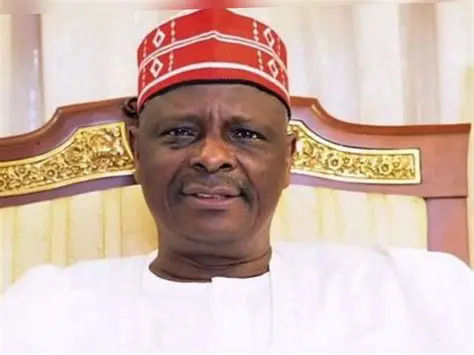

Former Kano State governor and national leader of the Kwankwasiyya Movement, Senator Rabiu Musa Kwankwaso, has firmly rejected claims that he can be induced or “bought” in Nigerian politics, insisting that his political decisions are guided by principles rather than personal gain. The former presidential candidate of the New Nigeria Peoples Party (NNPP) made the remarks while speaking on recent political developments in Kano State and the broader national political climate.
Kwankwaso stated that he does not have a “price tag,” countering a widely held perception among Nigerians that most politicians are driven by inducements, whether financial or otherwise. According to him, the assumption that every political actor can be influenced through money or promises of power undermines the importance of principles and long-term vision in governance.
Reflecting on the nature of politics, the former governor acknowledged that electoral contests inevitably produce winners and losers. However, he argued that betrayal and opportunism often attract public resentment, particularly at a time when many Nigerians are grappling with worsening insecurity, economic hardship, and declining living standards. In his view, citizens are increasingly sensitive to political manoeuvres that appear self-serving or disconnected from their daily struggles.
Related News
Wike Says FCT Poll Shows Voters Rejected ‘Groundnut Politics,’ Takes Swipe at Obi, Amaechi
FCT Minister Nyesom Wike has said the outcome of the recent area council elections in Abuja proves that voters rejected…

Peter Obi Says Nigeria Rich in Talent but Held Back by Poor Leadership
Former presidential candidate Peter Obi has stated that Nigeria’s greatest challenge is not a lack of talent but a failure…
Controversy Trails Shettima’s Kwara Visit as Reports Claim Devastated Woro Community Was Not Reached
A fresh controversy has emerged following Vice President Kashim Shettima’s condolence visit to Kwara State after a deadly terrorist attack…
Kwankwaso emphasised that Kano State occupies a unique position in Nigeria’s political landscape, describing the electorate as politically conscious and less susceptible to inducements. He questioned the idea that politicians could easily sway Kano voters with cash or material gifts, saying such approaches underestimate the political awareness of the people. According to him, Kano politics is driven more by ideology, loyalty, and collective interest than by short-term financial incentives.
Rejecting the notion that every politician has a price, Kwankwaso declared that his conscience could not be purchased. He stressed that leadership should be rooted in conviction and service, not transactional arrangements. He warned that when politics becomes centred on inducements, the outcome is often poor governance, repeated cycles of hardship, and erosion of public trust.
The former defence minister also cautioned voters against accepting short-term benefits during election periods at the expense of long-term development. He argued that enduring four years of hardship only to exchange votes for minor incentives on election day perpetuates underdevelopment and weak accountability. According to him, such practices allow politicians to recycle themselves in power without addressing the structural challenges facing the country.
Kwankwaso urged political actors to uphold integrity and place the long-term interests of citizens above personal ambition. He maintained that leadership built on betrayal, inducements, or political desperation lacks the moral authority and stability required to deliver meaningful progress.
His comments come amid reports of internal political tensions in Kano State, particularly speculation surrounding the political future of his protégé and incumbent governor, Abba Kabir Yusuf. There have been claims of possible moves by the governor to defect from the NNPP to the ruling All Progressives Congress (APC), developments that have fueled debates about loyalty, political survival, and strategic alignment ahead of future elections.
The remarks have generated mixed reactions across the political spectrum. While some supporters view Kwankwaso’s stance as a rare assertion of principle in Nigerian politics, critics argue that politics is inherently driven by interests and negotiations, not moral absolutes. Others contend that seeking strategic positions such as the presidency or vice presidency does not necessarily amount to being “bought,” but rather reflects the competitive nature of democratic politics.
Kwankwaso, however, maintained that his position is clear, insisting that political engagement should not be reduced to bargaining for personal advantage. As Nigeria gradually shifts focus toward the 2027 general elections, his comments underscore ongoing debates about integrity, ideology, and the true cost of political power in the country.