Nigeria’s AFCON 2025 Exit Sparks Heated Debate Over Refereeing in Morocco Defeat
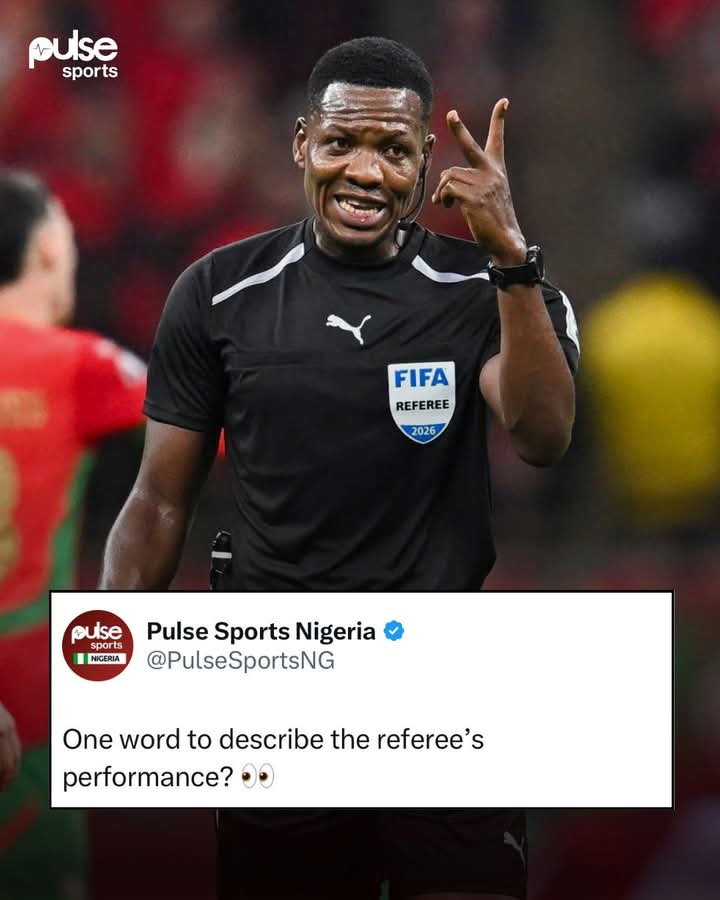

Nigeria’s journey at the 2025 Africa Cup of Nations came to an end following a dramatic 4–2 semi-final defeat to host nation Morocco, a result that has since ignited widespread debate among football fans across the continent. While Morocco’s progression to the final was secured after 120 minutes of competitive football, much of the attention after the match has centered on the officiating, rather than the game itself.
The match, which many described as tense and emotionally charged, saw Nigeria fight hard against a technically disciplined Moroccan side. However, several decisions made by the Ghanaian referee quickly became talking points on social media platforms and football forums, with Nigerian supporters expressing frustration over what they perceived as inconsistent calls.
A recurring complaint from fans was the perceived imbalance in disciplinary decisions. Some supporters pointed out that Nigerian players received yellow cards for challenges they believed were minimal, while Moroccan players allegedly escaped similar punishment. This perception fueled claims that officiating decisions disrupted Nigeria’s rhythm and contributed to growing frustration among players, particularly striker Victor Osimhen, who appeared visibly agitated during several moments of the game.
Related News

CAF Imposes Heavy Sanctions on Morocco and Senegal After Chaotic AFCON 2025 Final
The Confederation of African Football (CAF) has handed down substantial fines and suspensions to Morocco and Senegal following a series…
AFCON 2025: Senegal Defeat Hosts Morocco 1–0 to Clinch Historic Final Victory in Rabat
Senegal emerged champions of the 2025 Africa Cup of Nations after a tense 1–0 victory over host nation Morocco on…

AFCON 2025: Tinubu Congratulates Super Eagles on Bronze Medal Finish, Describes Achievement as “Good as Gold”
President Bola Ahmed Tinubu has congratulated the Super Eagles of Nigeria for securing a bronze medal at the 2025 Africa…
Images circulating online showing Osimhen reacting to certain decisions further amplified the narrative of perceived injustice. For many fans, these moments symbolized what they saw as unfair treatment, reinforcing long-standing suspicions about officiating standards at major continental tournaments.
However, not all reactions aligned with this viewpoint. A significant number of commentators and fans pushed back against the referee-blaming narrative, arguing that Nigeria’s performance, not the officiating, was the decisive factor. Critics highlighted missed chances, tactical adjustments, and a departure from Nigeria’s more aggressive attacking style earlier in the tournament. According to this camp, Morocco were more composed, better organized, and ultimately deserved their victory.
Some observers also emphasized that referees, regardless of nationality, operate under immense pressure in high-stakes matches and that perfection should not be expected. They noted that controversial decisions are part of football and that Nigeria’s inability to capitalize on scoring opportunities during regulation time made them vulnerable regardless of officiating.
Others took a broader view, suggesting that Nigeria’s football administration should focus on structural improvements, including referee development, tactical consistency, and mental resilience in big matches. From this perspective, recurring post-match outrage reflects deeper frustrations rather than a single match official’s performance.
The debate has also revived familiar rivalries and stereotypes within West African football discourse, with some comments veering into emotionally charged territory. While such reactions underscore the passion football inspires, several voices called for restraint, urging fans to separate disappointment from constructive analysis.
As Morocco prepare for the final, Nigeria are left to reflect on a campaign that showed promise but ended in disappointment. Whether the officiating truly altered the outcome or merely amplified existing weaknesses remains a matter of opinion. What is clear, however, is that the match has reignited conversations about refereeing standards, accountability, and sportsmanship in African football.
In the end, Nigeria’s exit from AFCON 2025 serves as both a painful reminder of football’s unpredictability and an opportunity for introspection—one that goes beyond referees and focuses on performance, preparation, and execution on the pitch.