Governor Otti Defends Tinubu’s Tax Reforms, Says Critics Misunderstand Policy Framework
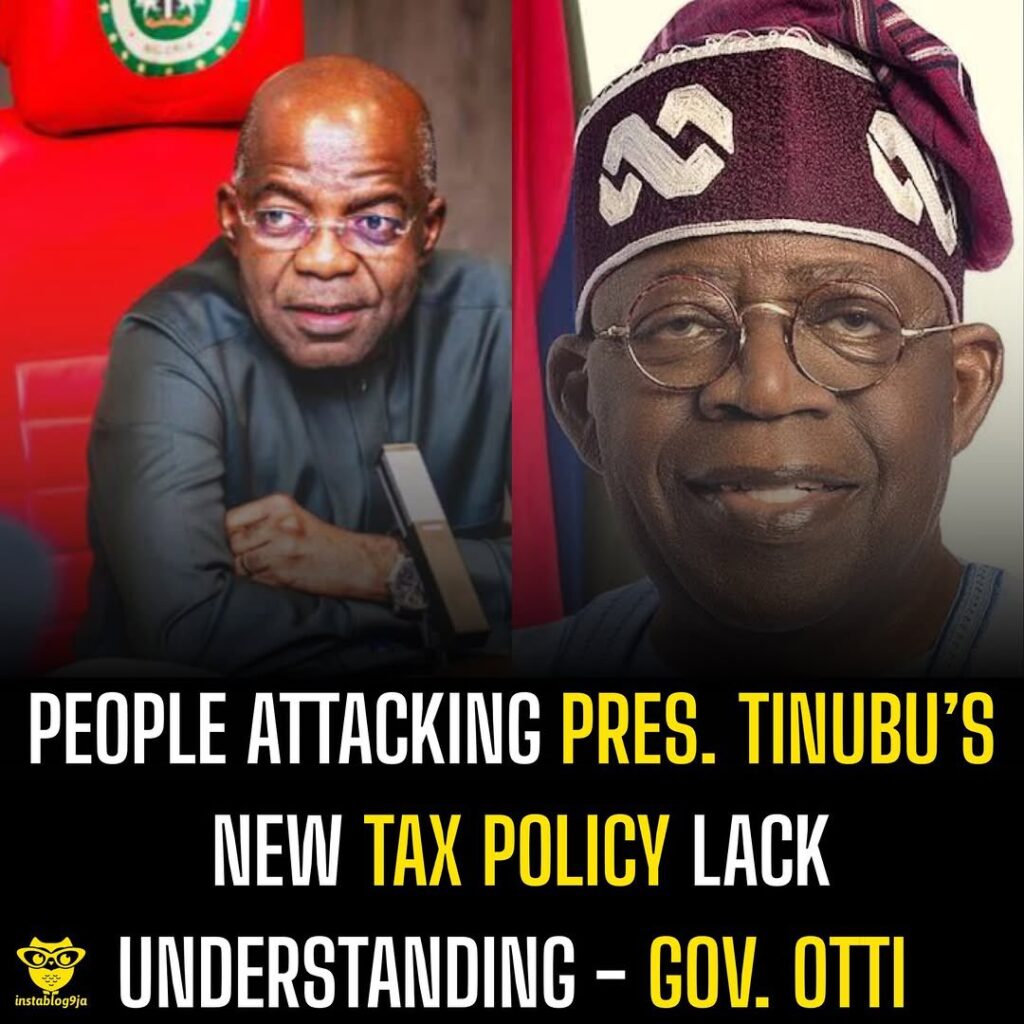

Abia State Governor Alex Otti has voiced strong support for the Federal Government’s recently introduced tax reform policies, stating that many of those criticising the initiative do not fully understand its structure or long-term economic implications.
Speaking on the development, the governor defended the tax framework introduced under President Bola Ahmed Tinubu, noting that several elements of the reforms reflect fiscal ideas he had personally advocated for nearly a decade ago. According to him, the current policy direction aligns with long-standing proposals aimed at strengthening Nigeria’s revenue base and improving fiscal sustainability.
Otti explained that upon reviewing the new tax reform laws, he observed clear similarities between the government’s approach and recommendations he had made in the past regarding Nigeria’s economic and fiscal management. He expressed appreciation to members of the Presidential Fiscal Policy and Tax Reforms Committee for their work, particularly acknowledging the committee’s chairman, Taiwo Oyedele.
“Almost ten years ago, I wrote about the fiscal side of things,” Otti said while addressing the issue. “When I read the new tax reform law, I saw many of those arguments reflected in it. I thank Professor Oyedele. When people attack him, they don’t understand.”
The governor’s remarks represent one of the clearest endorsements of the ongoing tax reforms by a sitting state governor. His comments also highlight the broader debate surrounding Nigeria’s evolving tax system, which has generated mixed reactions from stakeholders, economic analysts, and members of the public.
Related News

Tax Reform Committee Debunks Claims of 25% Levy on Building Materials and Funds Under Nigeria Tax Act 2025
Authorities overseeing Nigeria’s tax reforms have dismissed claims that the Nigeria Tax Act 2025 introduces a 25 percent tax on…

PAYE Cut Boosts Workers’ Take-Home Pay in January — Oyedele
Chairman of the Presidential Fiscal Policy and Tax Reforms Committee, Taiwo Oyedele, says Nigerian workers are beginning to receive higher…

Businesses, Traders Raise Prices Amid Confusion Over New Tax Laws
Barely weeks after Nigeria’s new tax laws took effect, reports from across the country indicate that some businesses and traders…
The Federal Government’s tax reform initiative, spearheaded by the Presidential Fiscal Policy and Tax Reforms Committee, aims to restructure Nigeria’s tax administration, expand the revenue base, and improve efficiency in tax collection. The reforms are also intended to simplify the tax system and reduce leakages while ensuring that government revenues are sufficient to support infrastructure development and public services.
Supporters of the policy argue that Nigeria has long struggled with low tax-to-GDP ratios compared to other economies, making comprehensive reform necessary for sustainable growth. They maintain that improving tax compliance and administration will help reduce overreliance on borrowing and volatile oil revenues.
However, the reforms have not been without controversy. Some critics have raised concerns about the potential impact of new tax measures on businesses and households, particularly at a time when many Nigerians continue to face economic pressures. Questions have also been raised about implementation strategies and the transparency of revenue utilisation.
In response to such concerns, Otti maintained that the tax reform framework is grounded in sound fiscal reasoning and should be evaluated based on its long-term benefits rather than short-term perceptions. By referencing his previous writings on fiscal policy, he suggested that the reforms align with established economic principles aimed at stabilising Nigeria’s public finances and strengthening institutional capacity.
Economic analysts note that comprehensive tax reform is often politically sensitive, as it involves balancing revenue generation with public acceptance. Nonetheless, proponents insist that improving Nigeria’s tax system is critical for funding development projects, strengthening public institutions, and ensuring fiscal discipline.
Otti’s endorsement may also influence broader political and economic discourse around the reforms, particularly as state governments play a crucial role in tax administration and revenue generation. His support underscores the importance of collaboration between federal and state authorities in implementing fiscal policies effectively.
As the reforms continue to generate debate across the country, policymakers and stakeholders are expected to engage in further discussions on implementation strategies, public awareness, and mechanisms to ensure that increased revenue translates into tangible improvements in infrastructure and social services.
The coming months are likely to see continued scrutiny of the tax reform framework as Nigerians assess its impact on the economy and governance. For now, Otti’s remarks add to the voices within government advocating for a deeper understanding of the policy and its intended role in reshaping Nigeria’s fiscal future.