1,000 Lagos Police Officers Benefit From Sanwo-Olu Medical Welfare Initiative


At least 1,000 police officers serving in Lagos State have benefited from a government-funded healthcare outreach programme introduced to improve the well-being of security personnel. The initiative, known as the Sanwo-Olu Police Care Initiative, is part of broader efforts by the Lagos State Government to support frontline officers and enhance the overall security framework in Nigeria’s commercial capital.
The medical outreach began at the Lagos State Police Headquarters in Ikeja, where participating officers received free eye screenings, prescription glasses, and general health checks. The programme is designed to address common health challenges faced by law enforcement personnel and ensure they remain physically fit to carry out their duties effectively.
According to officials, the intervention was fully funded by the Lagos State Government and forms part of a larger welfare strategy spearheaded by Governor Babajide Sanwo-Olu. The initiative is intended to strengthen institutions responsible for maintaining law and order by prioritizing the health and welfare of officers who serve on the frontlines of public safety.
Speaking on the programme, Senior Special Assistant to the Governor on Transportation and Logistics, Hassan Adekoya, noted that the inclusion of police officers in the outreach followed a formal request from the Nigeria Police Force. The request, he said, highlighted the importance of maintaining the health of officers who play a crucial role in safeguarding lives and property across the state.
Related News

Lagos Government Asked Landlord to Pay ₦400,000 to Unseal Her House Despite Having Complete Documents
A Lagos landlord shared a shocking experience after returning home to find her newly built house sealed by officials despite…
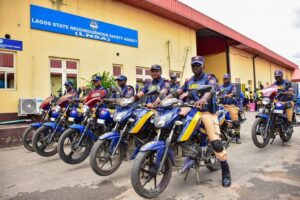
Lagos Ready for State Police, Says LNSA Chief Ifalade
Lagos State has declared its readiness for the establishment of state police in Nigeria, with the leadership of the Lagos…

Many Feared Dead as Boko Haram Fighters Overrun Military Base and IDP Camp in Borno
Suspected militants from the Islamic State West Africa Province launched a coordinated early-morning assault on a military base and an…
Adekoya explained that the Police Care Initiative builds upon the success of an earlier programme known as the Drivers’ Care Initiative. That programme targeted professional drivers across Lagos State, offering similar health-focused interventions such as free eye screenings, prescription glasses, drug testing, and sensitization on road safety and health practices.
The Drivers’ Care Programme, which was first launched at Lillypond Terminal in Apapa, has since been extended to several major transport hubs across the state, including Eleko Junction, Obalende, and Iyana-Iba. Officials say it is expected to reach approximately 10,000 drivers, many of whom rely heavily on good vision and general health to carry out their daily work safely.
Extending the medical outreach to police officers, Adekoya said, demonstrates the state government’s recognition of the sacrifices made by security personnel. He emphasized that ensuring officers are medically fit is essential not only for their personal welfare but also for improving operational efficiency within the state’s security architecture.
“Supporting the health of our security personnel ultimately enhances public safety,” he said, noting that physically and mentally fit officers are better equipped to respond to emergencies and maintain order.
Observers say the initiative reflects a growing emphasis on welfare-focused governance in Lagos, particularly for frontline workers whose roles directly impact public safety and service delivery. By prioritizing preventive healthcare and routine screenings, authorities aim to reduce long-term medical complications and ensure personnel remain capable of performing their duties.
With the successful completion of the first phase, which reached 1,000 officers, the Lagos State Government has reaffirmed its commitment to expanding similar welfare initiatives in the future. Officials indicated that continued investment in the health and well-being of security and transport workers would remain a key component of the state’s governance strategy.
The programme also underscores the importance of collaboration between state authorities and security institutions in addressing operational challenges and improving working conditions for officers.
As Lagos continues to grow and face complex security demands, stakeholders say initiatives that support the physical and mental health of law enforcement personnel will play a critical role in sustaining effective policing and public confidence.