After Eight Miscarriages, Nancy Umeh Opens Up on Choosing Surrogacy to Grow Her Family
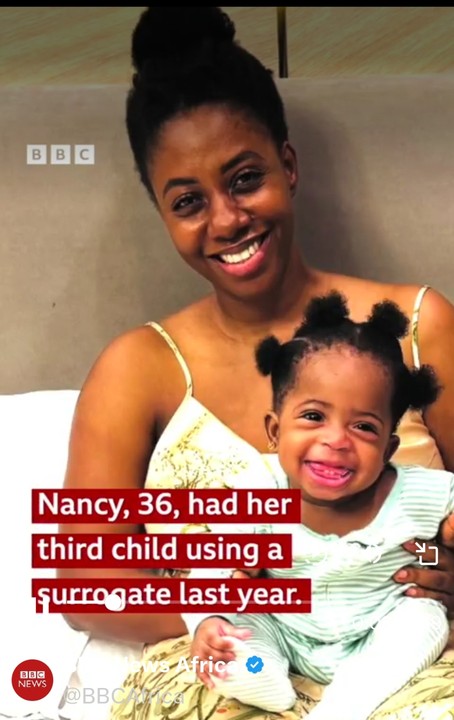

Nigerian influencer and entrepreneur Nancy Umeh has spoken publicly about her decision to pursue surrogacy after experiencing eight miscarriages, describing the process as one shaped by emotional exhaustion, resilience, and a desire to expand her family despite repeated loss. Umeh shared her story during an episode of The Conversation, where she reflected on the physical and psychological toll of recurrent pregnancy loss and the factors that ultimately led her to explore alternative options for childbirth.
According to Umeh, her journey was marked by years of hope followed by disappointment, as multiple pregnancies ended before term. Miscarriage, particularly when recurrent, is widely recognised by medical professionals as both physically demanding and emotionally traumatic, often leaving women grappling with grief, self-blame, and uncertainty. Umeh explained that while she already had children, her desire to grow her family did not diminish, even as the risks associated with carrying another pregnancy became increasingly apparent.
She noted that each loss carried its own emotional weight, compounded by societal expectations and private struggles that are often misunderstood or dismissed. Over time, medical advice and personal reflection made it clear that continuing to attempt pregnancy posed significant risks to her health. It was within this context that surrogacy emerged as a viable option—one that allowed her to pursue motherhood while safeguarding her wellbeing.
Related News

Apple Unveils MacBook Air M5 Using Fela Anikulapo Kuti’s “Let’s Start”
Tech giant Apple has unveiled its next-generation MacBook Air powered by the new M5 chip, with a campaign featuring Fela…

Simi Addresses Backlash Over Resurfaced 2012 Tweets About Children
Nigerian singer Simi has responded to public criticism following the resurfacing of tweets she posted in 2012 referencing children at…
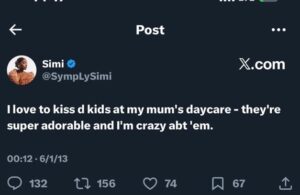
Outrage as 2012 Tweet by Simi About Four-Year-Old Resurfaces Amid Online Controversy
Nigerian singer Simi is facing online backlash after a 2012 tweet referencing a four-year-old boy resurfaced on social media.
Surrogacy remains a sensitive and often controversial topic in Nigeria, shaped by cultural norms, religious beliefs, legal ambiguities, and economic realities. Public reactions to Umeh’s disclosure have reflected these tensions, ranging from messages of congratulations and empathy to criticism and moral opposition. Some commentators questioned the cost of surrogacy in a country facing widespread economic hardship, while others debated whether such deeply personal decisions should be shared publicly.
Supporters, however, emphasised that surrogacy is a legitimate medical and personal choice, particularly for women who face recurrent pregnancy loss or life-threatening complications. Medical experts note that miscarriages can result from a wide range of factors, including genetic abnormalities, uterine conditions, hormonal issues, autoimmune disorders, and complications that are often beyond an individual’s control. As such, the stigma frequently attached to miscarriage and fertility challenges can further isolate those affected.
In discussing her decision to speak openly, Umeh suggested that visibility matters. By sharing her experience, she hopes to encourage more informed conversations around fertility, women’s health, and the diverse paths to parenthood. She also highlighted the importance of compassion, noting that many women endure similar struggles in silence due to fear of judgment or misunderstanding.
The announcement of her third child’s arrival through surrogacy has sparked broader discussions about reproductive choices, the pressures placed on women to bear children, and the need for clearer legal and ethical frameworks around assisted reproductive technologies in Nigeria. While surrogacy arrangements exist within the country, regulation remains limited, leaving many families to navigate complex agreements without comprehensive legal protection.
Umeh’s story underscores the reality that motherhood is not a one-size-fits-all experience. For some, it involves biological pregnancy; for others, it may include surrogacy, adoption, or other alternatives shaped by circumstance and health. Her account adds to a growing number of voices challenging traditional narratives and advocating for greater understanding of fertility-related challenges.
As conversations continue, Umeh’s experience highlights a central theme: the importance of choice, empathy, and informed dialogue when addressing deeply personal decisions about family and reproduction. While public opinion remains divided, her journey has brought renewed attention to the realities faced by many women navigating loss, hope, and the evolving meaning of motherhood.