Apathy, Vote Buying Allegations and Isolated Violence Mar FCT Council Elections
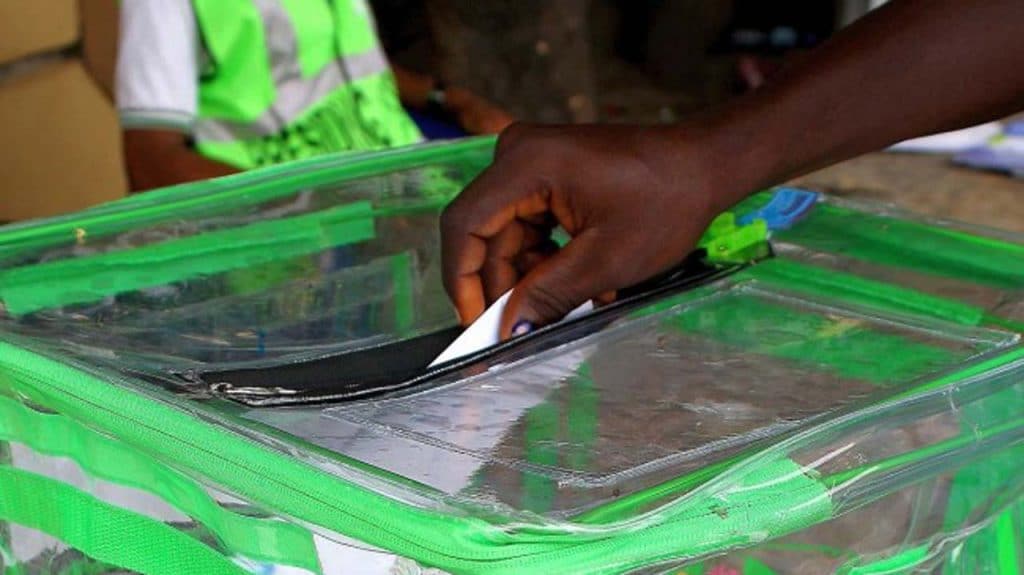

Saturday’s area council elections in the Federal Capital Territory (FCT) were characterized by low voter turnout, allegations of vote buying, and isolated security incidents across several polling units.
Correspondents who monitored the exercise reported sparse participation in many parts of the territory, including Jikwoyi, Karu, Bwari, Gwagwalada, Nyanya, Mpape, Dei-Dei, Kuje, Kwali, Lugbe, and Durumi. In several polling units visited, only a handful of voters were observed casting ballots, with some residents citing frustration with the political process and diminished confidence in electoral outcomes.
Low Turnout Across Councils
Many eligible voters reportedly stayed away from the polls. Residents interviewed in different parts of the FCT expressed concerns about what they described as a lack of transparency and accountability in previous elections, factors they said influenced their decision not to participate.
Political observers note that local council elections historically attract lower turnout compared to general elections. However, Saturday’s exercise appeared particularly subdued in multiple districts.
Allegations of Vote Buying
Despite prior warnings from the Independent National Electoral Commission (INEC) and security agencies against electoral malpractice, allegations of vote buying surfaced in parts of Gwagwalada and Bwari Area Councils.
Party agents from the Peoples Democratic Party (PDP) and the Young Progressives Party (YPP) alleged that individuals linked to the All Progressives Congress (APC) distributed cash to induce voters at certain polling units.
At polling units such as Better Life, UBE, and Kotangora in Gwagwalada, opposition agents claimed that voters were offered sums ranging between ₦500 and ₦3,000 in exchange for their votes. Similar claims were reported in parts of Bwari Area Council, including Ushafa and Peyi.
Related News
Peter Obi Vows to Contest 2027 Presidential Election Despite APC’s 30 Governors
Former Anambra State Governor and 2023 presidential candidate Peter Obi has declared his intention to contest the 2027 presidential election,…
INEC Releases Revised Timetable for 2027 General Elections
The Independent National Electoral Commission (INEC) has announced a revised timetable for Nigeria’s 2027 general elections, shifting the presidential poll…
INEC Under Pressure to Deregister ADC, Labour Party, Others – Igbokwe
Raphael Igbokwe, Chairman of the Board of Trustees of the National Forum of Former Legislators, has alleged that the Independent…
The APC has not officially responded to the specific allegations at the time of filing this report. INEC has also yet to issue a comprehensive statement addressing the claims.
Violence and Security Incidents
Isolated incidents of violence were reported in some locations, particularly in Bwari Area Council. In Bwari town near the Zenith Bank and JAMB office axis, voters reportedly dispersed after unrest linked to alleged vote buying.
A resident who spoke during a live radio broadcast alleged that security operatives fired teargas at a crowd that included voters and journalists. The claim could not be independently verified at press time.
In Kuje Area Council, at Junior Secondary School Kayada, an officer of the Department of State Services (DSS) was reportedly attacked by a group of youths. Sources said the officer was manhandled and sustained minor losses, including damage to personal property, before order was restored.
Another incident occurred at LEA Primary School in Ushafa, Bwari Area Council, where tensions reportedly flared following accusations of monetary inducement. Supporters of different political parties were said to have clashed verbally before security personnel intervened.
Allegations of Intimidation
Some residents and party members also alleged that the presence of senior political figures at certain polling units created an atmosphere of intimidation.
Particular attention was drawn to the movements of the Minister of the FCT, Nyesom Wike, who was reportedly seen visiting several polling units during the exercise. Critics argued that such visits could be perceived as political signaling, while supporters maintain that public officials are entitled to monitor elections within legal bounds.
No official statement has been issued indicating that any laws were violated during these visits.
Awaiting Final Results
As of the time of this report, INEC had not released consolidated final results for all area councils. The commission is expected to provide updates after completing collation processes.
Saturday’s election underscores ongoing debates around voter engagement, electoral integrity, and public trust in Nigeria’s democratic processes. While some stakeholders described the polls as largely peaceful despite low turnout, others insist that reported irregularities must be investigated to strengthen future exercises.
Political analysts suggest that restoring public confidence in elections will require sustained institutional reforms, transparency measures, and active civic participation.