Asake’s Fully Tattooed Look Sparks Heated Discussion Across Social Media
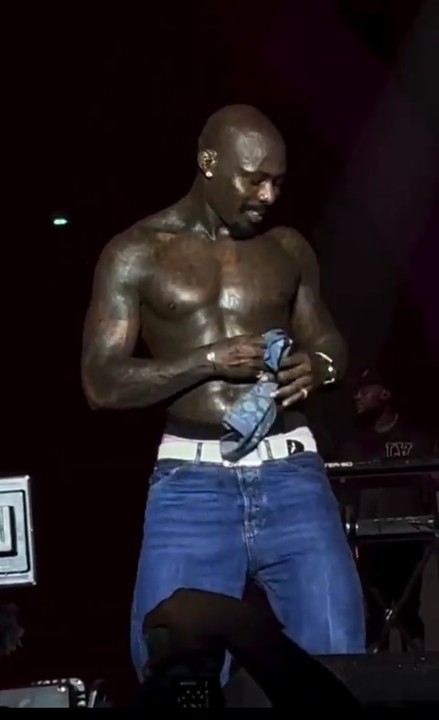

Award-winning Nigerian singer Ahmed Ololade, popularly known as Asake, has once again found himself at the center of public conversation, this time not for a chart-topping song or a viral performance, but for his striking physical appearance. Photos and videos showing the singer’s fully tattooed body have circulated widely online, igniting intense discussions across social media platforms and online forums.
The reactions have been anything but unanimous. While many fans view Asake’s tattoos as a form of artistic freedom and personal identity, others see them as excessive, unnecessary, or even troubling. The debate reflects broader societal conversations around body art, celebrity influence, and changing cultural norms in Nigeria.
Some commenters were quick to draw comparisons between Asake and late American rap legend Tupac Shakur, noting similarities in their heavily tattooed physiques and rebellious aura. One social media user remarked that Asake now “looks so much like 2Pac,” a sentiment that gained significant traction online. Supporters argue that such comparisons highlight Asake’s global appeal and his willingness to challenge conventional expectations of Nigerian pop stars.
Related News

Apple Unveils MacBook Air M5 Using Fela Anikulapo Kuti’s “Let’s Start”
Tech giant Apple has unveiled its next-generation MacBook Air powered by the new M5 chip, with a campaign featuring Fela…

Simi Addresses Backlash Over Resurfaced 2012 Tweets About Children
Nigerian singer Simi has responded to public criticism following the resurfacing of tweets she posted in 2012 referencing children at…

Outrage as 2012 Tweet by Simi About Four-Year-Old Resurfaces Amid Online Controversy
Nigerian singer Simi is facing online backlash after a 2012 tweet referencing a four-year-old boy resurfaced on social media.
Others, however, were less impressed. Several critics questioned the purpose and benefit of full-body tattoos, with some describing them as unattractive or unnecessary. A few commenters went further, suggesting that extensive tattoos on dark-skinned individuals are “a waste of ink,” a remark that itself sparked backlash and accusations of colorism and ignorance.
Cultural perspectives also played a role in the discussion. One commenter referenced Japan, where tattoos are traditionally associated with criminal groups such as the Yakuza, implying negative connotations. This argument was quickly countered by others who pointed out that Asake is Nigerian, not Japanese, and should not be judged by cultural standards that do not apply to him.
Beyond aesthetics and culture, the conversation drifted into Asake’s music career. Some critics claimed that the singer has not released any major hits since parting ways with rapper and YBNL boss Olamide, while others dismissed this view as unfair and unfounded. Supporters insisted that Asake’s success and influence remain intact, regardless of his label affiliations or personal choices.
A number of commenters defended Asake’s right to do whatever he pleases with his body, stressing that he is an adult and accountable only to himself. “His body, his life,” one user wrote, echoing a common sentiment among those who believe personal expression should not be policed by public opinion. Others described the tattoos as “divine inspiration” and a reflection of the loneliness and pressure that often come with fame.
Still, not all criticism was grounded in logic. Some reactions veered into conspiracy theories, with claims that tattoos are part of a future plan involving electronic body technology and brain chips. While such views were largely dismissed by other users, they underscored how celebrity actions can sometimes fuel extreme interpretations.
Despite the polarized opinions, one thing remains clear: Asake continues to command attention, both musically and visually. Whether admired or criticized, his tattooed appearance has succeeded in keeping him firmly in public discourse, reinforcing his image as an unconventional and fearless artist.
As conversations around body art, identity, and celebrity culture continue to evolve, Asake’s latest look serves as a reminder that public figures often become mirrors for society’s broader values, fears, and aspirations.