DSS Arraigns Suspected Mastermind of 2012 Deeper Life Church Massacre in Kogi State
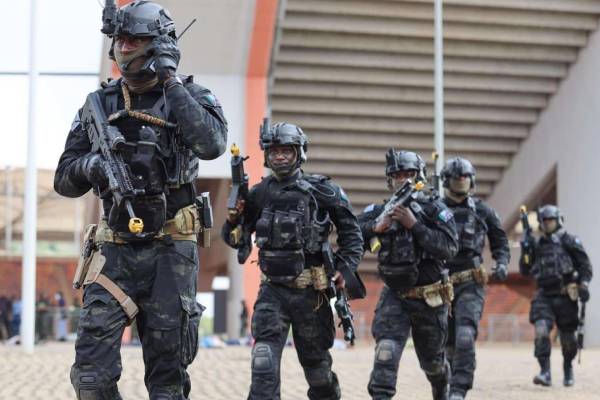

The Department of State Services (DSS) has arraigned Abdulmalik Abdulazeez Obadaki, a suspected terrorist accused of masterminding the 2012 attack on the Deeper Life Bible Church in Otite, near Okene, Kogi State. The arraignment took place before Justice Joyce Abdulmalik at the Federal High Court in Abuja, marking a significant development in one of Nigeria’s most devastating religious attacks in recent history.
The August 7, 2012 assault occurred during a Bible study session when armed men reportedly stormed the church and opened fire with AK-47 rifles. The attack resulted in the death of more than 19 worshippers, while several others sustained serious injuries. The incident shocked the nation and was widely attributed to Ansaru, an Islamist militant group linked to broader extremist activities in northern Nigeria at the time.
According to security sources, Obadaki was identified as a key figure behind the planning and coordination of the attack. He was also reportedly linked to a series of violent bank robberies in Uromi, Edo State, during which multiple civilians were killed and large sums of money stolen. These incidents further reinforced suspicions of his involvement in organised violent extremism and criminal networks.
Related News

Many Feared Dead as Boko Haram Fighters Overrun Military Base and IDP Camp in Borno
Suspected militants from the Islamic State West Africa Province launched a coordinated early-morning assault on a military base and an…

Gun Attack on ADC Leaders in Edo Raises Fears of Violent Election Season
A gun attack on African Democratic Congress leaders in Benin City, including Peter Obi and Chief John Oyegun, has heightened…

Nigeria Issues Travel Advisory as Israel-US and Iran Conflict Escalates in Gulf Region
The Federal Government of Nigeria has issued a travel advisory urging Nigerians in Iran and neighbouring Gulf states to exercise…
After his initial arrest, Obadaki was detained at the Kuje Correctional Centre in Abuja. However, he escaped custody during the high-profile jailbreak at the facility in July 2022, an incident that saw hundreds of inmates flee following an attack on the prison. His escape raised serious concerns about prison security and the ability of the state to retain high-risk detainees.
On November 15, 2025, the DSS announced that it had successfully recaptured Obadaki after years of being on the run. The agency did not disclose details of the operation leading to his rearrest, citing security reasons, but described it as part of sustained efforts to track down fugitives linked to terrorism and violent crimes.
Six days after his recapture, Obadaki was arraigned on a six-count charge bordering on terrorism, conspiracy, aiding terrorist activities, concealment of information, participation in criminal acts, and escape from lawful custody. During the court proceedings, he pleaded guilty only to the charge relating to his escape from custody, while denying all other terrorism-related allegations.
Justice Joyce Abdulmalik subsequently adjourned the case to January 26, 2026, and ordered that the defendant remain in DSS custody pending the continuation of trial. The court’s decision has drawn widespread public attention, with many Nigerians closely monitoring the proceedings due to the gravity of the alleged crimes and the long delay in bringing the case to trial.
The Okene church massacre remains one of the most painful episodes of religious violence in Nigeria’s recent history. For many families of the victims, the arraignment represents a renewed hope for justice after more than a decade of uncertainty. However, the case has also sparked intense debate among citizens, with some questioning why it took so long for the alleged mastermind to face trial, while others have expressed scepticism about the outcome of terrorism prosecutions in Nigeria.
Security analysts note that the trial could serve as a test case for Nigeria’s commitment to accountability in terrorism-related cases. They argue that a transparent and thorough judicial process is critical not only for delivering justice to victims but also for strengthening public confidence in the country’s security and legal institutions.
As the case resumes in 2026, Nigerians will be watching closely to see whether the judicial process delivers decisive accountability or reinforces long-standing concerns about delays, leniency, and systemic weaknesses in handling high-profile terrorism cases.