DSS Tells Court Kaduna Man’s Tweets Could Drag Nigeria into Israel–Iran Conflict
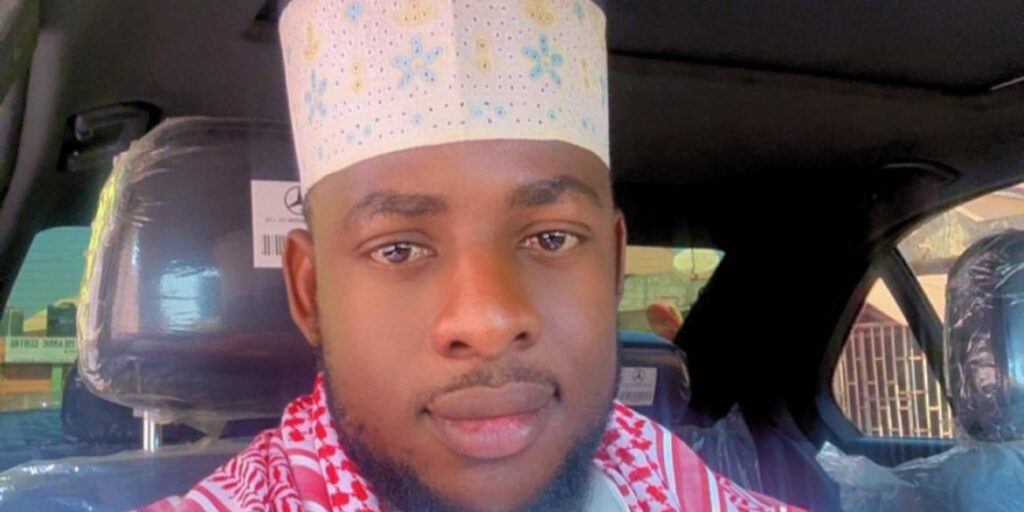

Nigeria’s domestic intelligence agency, the Department of State Services (DSS), has told the Federal High Court of Nigeria in Kaduna that social media posts allegedly made by a Nigerian citizen could create diplomatic tensions capable of drawing the country into an international conflict.
The case involves Abubakar Adamu, a Kaduna resident and social media user whose X (formerly Twitter) account is identified as @AbbakarAffan. According to authorities, Adamu was arrested following a series of posts investigators claim contained threatening or inciting comments related to the ongoing Middle East conflict.
In a counter-affidavit opposing the defendant’s application for bail, a DSS operative identified as Jones Gabriel told the court that he was directly involved in the investigation that led to the suspect’s arrest and prosecution.
Gabriel stated that the agency considers the allegations serious enough to justify continued detention of the defendant while the case proceeds in court.
“I am a personnel of the State Security Service attached to the Kaduna State Command and the officer detailed to handle investigations in this matter,” Gabriel said in the affidavit filed before the court.
The DSS told the court that the suspect had allegedly admitted to the charges when confronted with evidence gathered from his social media activity.
According to the affidavit, investigators obtained several posts allegedly made by the defendant that they claim contain inciting remarks about the leadership of Israel. One of the most serious allegations presented in court was that the suspect posted a comment calling for the elimination of Israeli Prime Minister Benjamin Netanyahu.
The security agency argued that such comments could have serious diplomatic implications if left unchecked.
“Such post could lead to international conflict involving Nigeria, similar to the ongoing hostility between Israel and Iran with its attendant destruction,” the affidavit reportedly stated.
Related News

Iran Warns US Tech Giants Like Google, Amazon Could Become “Legitimate Targets” in Expanding Regional War
Authorities in Iran have warned that infrastructure linked to major American technology companies may become “legitimate targets” as the regional…

Nigeria Begins Evacuation of Citizens from Iran Amid Escalating Middle East Conflict
The Nigerian government has started evacuating its citizens from Iran as tensions in the Middle East intensify.

Nigeria Surpasses India in Number of People Living in Poverty – Report
New data shared by Statisense suggests that Nigeria now has a higher number of people living below the poverty line…
The DSS also argued that the charges faced by the defendant carry severe legal consequences, including the possibility of life imprisonment if he is convicted. Because of the seriousness of the allegations, the agency urged the court to deny the bail application.
In addition to the alleged social media posts, the security agency presented other claims regarding the defendant’s background and activities. Investigators alleged that the suspect had previously issued threats against individuals who disagreed with him on religious or ideological grounds.
The affidavit further claimed that the defendant may have had connections with foreign actors.
According to the DSS, preliminary investigations suggested the suspect maintained links with foreign intelligence networks and may have been involved in attempts to recruit Nigerians to participate in foreign military operations in countries such as Ukraine and Russia.
Authorities also told the court that the suspect had previously travelled to locations outside Nigeria, including Benghazi in Libya and Egypt. The DSS argued that this travel history increases the risk that he could flee the country if granted bail.
“The Defendant/Applicant is not likely to make himself present for his trial if granted bail,” the agency stated in the court filing.
For this reason, the security service asked the court to keep the defendant in custody while the case continues.
The agency also defended its conduct in the matter, stating that it operates under the legal authority of the Nigerian government and carries out its duties in accordance with national laws and directives.
“The complainant is a responsible Federal Government organization that carries out its official duties in accordance with the rule of law,” the affidavit stated.
The case has generated significant discussion online, with many Nigerians debating the balance between freedom of expression and national security in the digital age.
Legal experts note that as social media becomes increasingly influential in global politics, governments around the world are paying closer attention to online speech that could potentially affect diplomatic relations or national security.
The court is expected to continue hearing arguments in the case as it determines whether the defendant should be granted bail and how the charges will proceed through Nigeria’s judicial system.