El-Rufai Urges Nigerians to Allow Late President Muhammadu Buhari’s Legacy Rest, Warns Against Political Revisionism
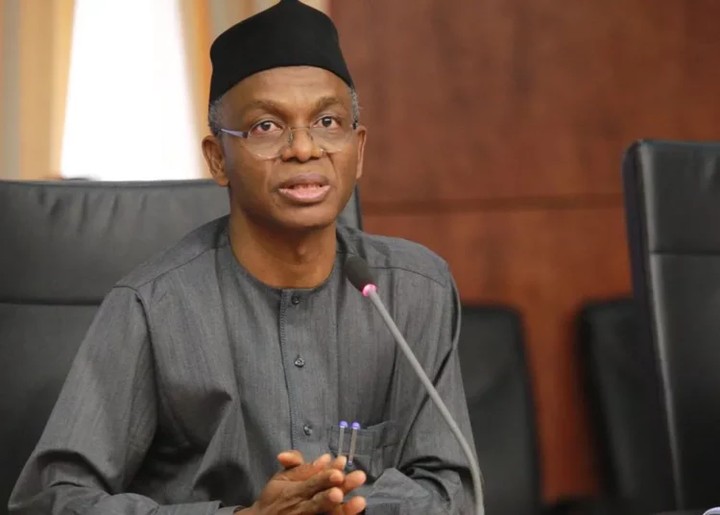

Former Kaduna State Governor and one-time close ally of the late President Muhammadu Buhari, Nasir Ahmad El-Rufai, has appealed to Nigerians to allow the former president’s memory and legacy to rest, amid renewed political tensions triggered by the recent launch of a book chronicling Buhari’s life and leadership. In a statement dated December 17, 2025, El-Rufai warned that posthumous reinterpretations of Buhari’s legacy risk deepening old divisions and distorting historical truth for political convenience.
El-Rufai said the book launch, which brought together a select group of political actors, appeared to mirror the factional divisions that characterised Buhari’s inner circle while he was alive. According to him, the absence of certain long-standing allies and the dominance of a particular political camp at the event raised concerns about whether the narrative being promoted truly reflected Buhari’s complex leadership journey or merely served the interests of those currently in power.
He expressed unease over what he described as “selective engagement” and the symbolism surrounding the venue and organisation of the event, noting that such choices could subtly influence how future generations interpret Buhari’s presidency. El-Rufai argued that history should be recorded with balance and fairness, rather than curated to sanitise or weaponise the past.
Particularly troubling to the former governor was the presence of some political figures who were vocal critics of Buhari’s administration while he was alive, but who now offered glowing tributes at the book launch. El-Rufai suggested that such sudden reversals appeared insincere and may be driven by a desire to absolve themselves of responsibility for Nigeria’s current challenges.
Related News
Wike Says FCT Poll Shows Voters Rejected ‘Groundnut Politics,’ Takes Swipe at Obi, Amaechi
FCT Minister Nyesom Wike has said the outcome of the recent area council elections in Abuja proves that voters rejected…

Peter Obi Says Nigeria Rich in Talent but Held Back by Poor Leadership
Former presidential candidate Peter Obi has stated that Nigeria’s greatest challenge is not a lack of talent but a failure…
Controversy Trails Shettima’s Kwara Visit as Reports Claim Devastated Woro Community Was Not Reached
A fresh controversy has emerged following Vice President Kashim Shettima’s condolence visit to Kwara State after a deadly terrorist attack…
“El-Rufai maintained that President Buhari was not a man who easily overlooked personal or political betrayal,” noting that some individuals now publicly celebrating him neither enjoyed his trust nor his respect during his lifetime. He argued that praising a leader in death while undermining him in life amounted to opportunistic revisionism.
While acknowledging that he had not yet read the book, Soldier to Statesman: The Legacy of Muhammadu Buhari, El-Rufai cautioned against relying on selective anecdotes attributed to the late president, who can no longer clarify or contest such claims. He warned that reducing Buhari’s leadership to isolated narratives risks oversimplifying the legacy of a deeply complex figure.
El-Rufai admitted that Buhari’s civilian presidency fell short of expectations, even among his strongest supporters. However, he argued that many of the administration’s failures were driven not solely by Buhari himself, but by a powerful inner circle of advisers, relatives, and officials whose actions often undermined the president’s core values of integrity and discipline.
Despite the criticisms, El-Rufai described Buhari as a man of deep faith, personal restraint, and unwavering patriotism, insisting that those now invoking his name for political legitimacy should reflect honestly on whether they upheld similar standards during his lifetime.
His message, he stressed, was not an attempt to shield Buhari from criticism, but a call for restraint, balance, and historical honesty. El-Rufai urged Nigerians—both admirers and critics—to allow time and objective scholarship to assess Buhari’s legacy, free from political opportunism.
“The truest way to honour him,” El-Rufai concluded, “is not through selective storytelling or sudden displays of affection, but by upholding the values he stood for—simplicity, integrity, humility, and service to Nigeria.”
He ended his statement with a prayer for the late president, asking Allah to grant him eternal rest.