James Ibori Mourns Segun Awolowo, Describes His Passing as a National Loss
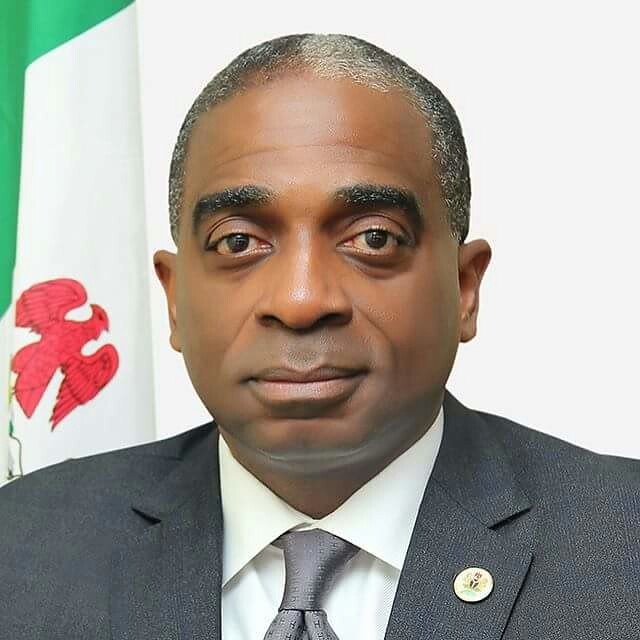

Former Delta State Governor, Chief James Ibori, has expressed deep sorrow over the death of Segun Awolowo, describing the news as a devastating personal and national loss. Awolowo, a grandson of the respected nationalist and former Premier of the Western Region, Chief Obafemi Awolowo, passed away at the age of 62, prompting widespread reactions across the country.
In a statement he personally signed, Ibori described the shock and emotional weight of Awolowo’s passing. “I am utterly devastated by the news of Segun’s death,” he said. “He carried the Awolowo name with dignity, humility, and purpose. Nigeria has lost one of its finest gentlemen.” His remarks emphasized not only a personal connection but also the symbolic weight carried by the Awolowo family in Nigeria’s political and social history.
Ibori highlighted Segun Awolowo’s contributions to national development, particularly his tenure at the Nigerian Export Promotion Council (NEPC), where he served as Executive Director and Chief Executive Officer. According to him, Awolowo’s leadership at NEPC marked a turning point in Nigeria’s efforts to diversify its economy. During his stewardship, the council expanded support for non-oil exports, promoted Nigerian goods in global markets, and strengthened the capacity of local producers. Ibori stressed that these reforms would leave a lasting impact on Nigeria’s economic future. “His vision for a robust, diversified economy will continue to yield benefits for years,” he said.
Related News
Reggae Icon Jimmy Cliff Passes Away at 81, Leaving Behind a Global Legacy
Legendary reggae musician and actor Jimmy Cliff has died at 81, marking the end of an era for one of…
Beyond his public service, Ibori praised Awolowo’s temperament and integrity. He described him as “gentle, soft-spoken, principled — but never weak in conviction.” To Ibori, Segun embodied the type of quiet but steady leadership that often goes unnoticed yet leaves deep and lasting marks. He noted that Awolowo’s calm and disciplined approach to leadership earned him respect across political, regional, and ideological divides. “He believed in service, not spectacle,” Ibori emphasized, framing Awolowo as a model of humility in a political culture often dominated by noise and rivalry.
Ibori offered his deepest condolences to the Awolowo family, acknowledging the emotional toll the loss would have on them. He called on friends, colleagues, and all Nigerians to remember Segun Awolowo for the values he lived by — excellence, dignity, and a commitment to national progress. “May his legacy inspire all of us moving forward,” he said.
News of Awolowo’s death drew a wide range of reactions across social platforms. Some Nigerians expressed sorrow and praised his contributions, while others debated his family’s historical legacy and the political divisions associated with it. A number of commenters reflected on Nigeria’s generational leadership gap, pointing out that even the grandchildren of foundational political figures are now senior citizens, raising questions about succession, leadership continuity, and the ageing elite in Nigerian politics.
Other reactions veered into Nigeria’s long-standing ethnic and political tensions, with heated exchanges about historical grievances, the role of Chief Obafemi Awolowo during the civil war, and broader narratives about leadership, betrayal, and regional politics. Such debates highlighted how the Awolowo name continues to evoke strong emotions, decades after the era of the nation’s early political struggles.
Yet, amidst the debates and disagreements, one sentiment remained clear: Segun Awolowo’s death touched many, whether through personal relationships, professional contributions, or the symbolic meaning of his lineage. For those who admired him, his passing marks the end of a chapter in Nigeria’s socioeconomic landscape.
As the Awolowo family mourns, tributes continue to pour in from across the country — from political leaders, industry players, associates, and ordinary Nigerians who saw him as a dedicated public servant. His legacy, shaped by quiet service and economic reform, remains part of the story of Nigeria’s ongoing search for stability, growth, and leadership that prioritizes national interest.