Mercy Eke’s Bold Stand on Motherhood Sparks National Debate
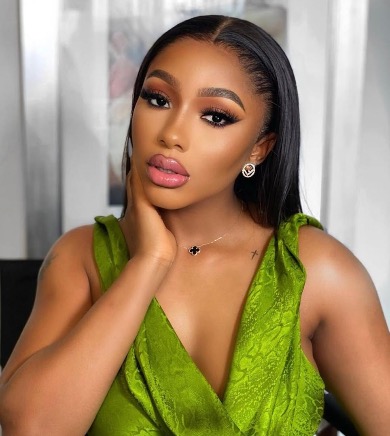

Reality TV star and media personality Mercy Eke has once again found herself at the center of a national conversation—this time over her candid remarks about motherhood, marriage, and the changing expectations placed on women in modern society. In a recent interview, the Big Brother Naija winner revealed that she is fully prepared to become a mother out of wedlock, stressing that she is emotionally, financially, and mentally capable of raising children on her own terms.
Mercy explained that she had initially hoped to get pregnant earlier in the year, but unforeseen circumstances forced her to choose between maintaining a certain personal goal and keeping the pregnancy. According to her, that moment reshaped her perspective. She stated confidently that if she becomes pregnant now, she would have the baby without hesitation. Her reasoning is simple: she has worked hard, built a stable life, and believes she can comfortably take care of herself and up to three children.
Related News

Apple Unveils MacBook Air M5 Using Fela Anikulapo Kuti’s “Let’s Start”
Tech giant Apple has unveiled its next-generation MacBook Air powered by the new M5 chip, with a campaign featuring Fela…

Simi Addresses Backlash Over Resurfaced 2012 Tweets About Children
Nigerian singer Simi has responded to public criticism following the resurfacing of tweets she posted in 2012 referencing children at…
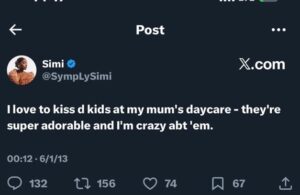
Outrage as 2012 Tweet by Simi About Four-Year-Old Resurfaces Amid Online Controversy
Nigerian singer Simi is facing online backlash after a 2012 tweet referencing a four-year-old boy resurfaced on social media.
She further revealed her plans for the future, noting that she hopes to have three children—two girls and one boy. Whether marriage happens or not, Mercy says her dream of becoming a mother will not be held hostage by societal expectations or timelines. In her view, the stigma attached to single motherhood exists mainly for women who lack financial stability or social influence. As someone who has secured her career and income, she feels empowered to challenge traditional norms.
Her comments did not come as a dismissal of marriage, however. Mercy clarified that she is open to the idea of getting married someday, but she has not yet met the man she truly wants. She insisted that if she wanted to get married immediately, she easily could—but marriage without a genuine connection is not the kind she desires. Despite her openness to single motherhood, she still believes that the right partner will come eventually, and becoming a mother outside of marriage will not diminish her chances of finding love.
Her statement immediately triggered strong reactions online, with social media users and forum commentators sharply divided. Some praised her for being bold, self-assured, and unapologetically honest about her life choices. Others criticized her stance, arguing that children deserve a father figure, and that normalizing childbirth outside marriage could reshape family structures in ways society is not ready for.
Several commenters took the discussion further, shifting into debates about modern dating standards, shifting priorities among women, the biological clock, and societal pressures surrounding marriage. Opinions ranged from empathy and support to outright condemnation, with some commentators expressing concern for the next generation and others accusing critics of clinging to outdated expectations.
The conversation eventually expanded beyond Mercy Eke herself, touching on broader themes: independence, evolving gender roles, economic empowerment, reproductive choice, and the rising number of women choosing unconventional paths to motherhood. Whether one agrees with her or not, Mercy’s remarks have clearly brought an important topic back into public focus—what does motherhood mean today, and who gets to decide the “right” way to build a family?
Her boldness reflects a larger cultural shift taking root not only in Nigeria but across the world: more women are defining family on their own terms, prioritizing personal readiness over societal approval. And if Mercy Eke’s words show anything, it’s that this conversation is far from over.