Oyedele Declares Pastors and Imams Must Pay Tax on Salaries, Sparks Nationwide Debate
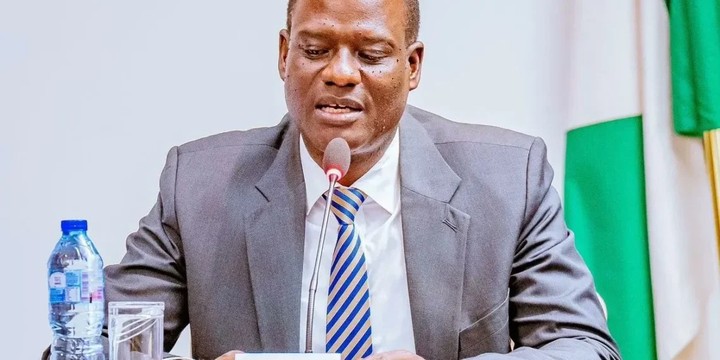

The conversation around taxation in Nigeria took a sharp turn after Taiwo Oyedele, Chairman of the Presidential Committee on Fiscal Policy and Tax Reforms, clarified that pastors, imams, and other religious officials must pay tax on the incomes they earn from their religious institutions. His comments, made during an appearance on the podcast Mic On, have ignited a heated national discussion about fairness, governance, and the role of religion in the country’s economic structure.
According to Oyedele, while religious institutions—churches, mosques, and other faith-based organizations—remain tax-exempt under the law, this exemption does not extend to individuals employed by them. Salaries earned by pastors, imams, music ministers, administrative workers, or any staff paid by such institutions fall squarely under taxable income.
“So what the law says is that the church and the mosque will not pay tax unless they start doing business as an institution or organization,” he explained. “But anybody they pay, whether it’s the pastor, whether it’s the choir… because these people are just working, it just happens that they are working in God’s vineyard.”
The clarification has opened a floodgate of reactions online, reflecting Nigeria’s complex blend of religious influence, economic strain, and political skepticism. Many Nigerians expressed deep concern that the government may be overreaching in its quest for revenue, while others argued that religious workers should not be exempt from basic civic obligations.
Related News
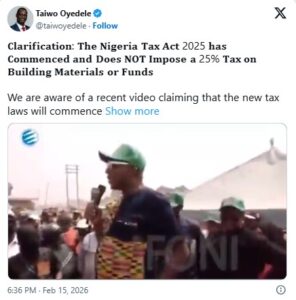
Tax Reform Committee Debunks Claims of 25% Levy on Building Materials and Funds Under Nigeria Tax Act 2025
Authorities overseeing Nigeria’s tax reforms have dismissed claims that the Nigeria Tax Act 2025 introduces a 25 percent tax on…
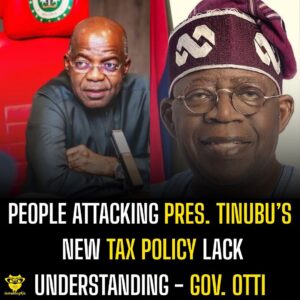
Governor Otti Defends Tinubu’s Tax Reforms, Says Critics Misunderstand Policy Framework
Abia State Governor Alex Otti has defended President Bola Tinubu’s newly introduced tax reform policies, stating that many critics lack…

PAYE Cut Boosts Workers’ Take-Home Pay in January — Oyedele
Chairman of the Presidential Fiscal Policy and Tax Reforms Committee, Taiwo Oyedele, says Nigerian workers are beginning to receive higher…
One user worried that the policy could “backfire on the government,” criticizing what they saw as an attempt to copy Western tax systems without providing the same level of public services or protections. Another commenter joked that “wahala go bust,” questioning why religious leaders, considered spiritual authorities, should be entangled in taxation matters at all.
Others accused the government of using taxes as a means of burdening already struggling citizens. A commenter lamented that Nigerians may soon “see money vanishing from their account in the name of tax,” especially at a time when insecurity forces many citizens to save personal funds for ransom or emergencies. They argued that the government, which has already failed in its primary duty to protect its people, is now attempting to tax the very money citizens set aside for survival.
Some respondents, however, supported the policy, insisting that religious workers earning income should fulfill their civic obligations like other professionals. A user argued that the rule “holds true and makes huge sense,” noting that many pastors earn substantial salaries while claiming not to touch church offerings. Another echoed that “even Jesus paid tax,” insisting that income—regardless of its source—should be taxable.
Yet others raised questions of equity, pointing out that if pastors and imams are taxed, then other spiritual practitioners—including native doctors and traditional priests—should also be included. The underlying message across several comments was clear: fairness must be applied consistently across all groups.
Political frustrations also surfaced, with some calling Nigeria “over-taxed” and urging accountability instead of additional levies. Others predicted political consequences for the current administration, warning that unpopular tax policies could hurt the ruling government in the next election cycle.
Despite the mixed reactions, the debate has made one thing evident: taxation remains one of the most sensitive and contentious issues in Nigeria’s socio-economic landscape. The announcement has not only reshaped discussions about fairness and governance but has also exposed the deeper anxieties Nigerians feel about public trust, economic hardship, and the future of religious institutions under evolving fiscal policies.
For now, Oyedele’s clarification stands as a firm reminder that religious work, while sacred, is still considered employment under Nigerian law—and that the national tax net is being widened to capture all earners, regardless of title or calling.