Presidency Spent ₦34.39bn on Forex for Foreign Travel and Official Obligations in Two Years
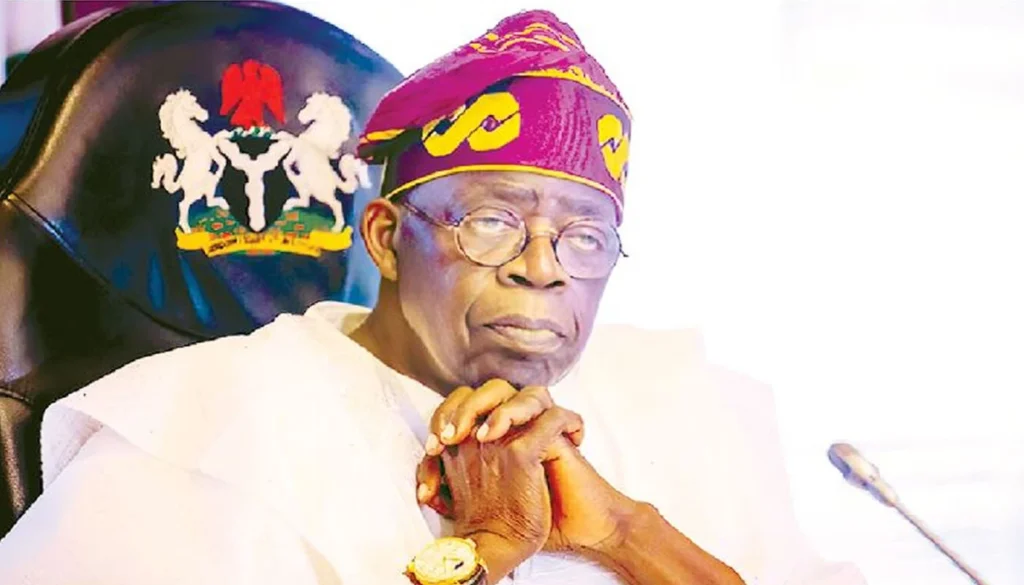

The Nigerian Presidency spent a total of ₦34.39 billion on foreign exchange purchases over a two-year period to support international travel and other official obligations, according to data compiled from GovSpend, a government expenditure tracking platform managed by BudgIT. The spending, which covers transactions by the State House, the Presidential Air Fleet, the Office of the Chief of Staff, and offices linked to the President, Vice President, First Lady, and their aides, highlights both the scale and changing pattern of official forex demand.
An analysis of the data shows that 2024 accounted for the bulk of the expenditure, with total forex purchases reaching ₦29.35 billion. In contrast, 2025 recorded significantly lower spending of ₦5.04 billion, representing a year-on-year decline of approximately 82.8 percent. This sharp reduction coincided with broader developments in Nigeria’s foreign exchange market, including relative naira stability and improved dollar inflows following policy reforms.
The forex purchases were largely used to cover costs associated with official foreign trips, aviation operations, estacodes, training programmes, and logistics for international engagements involving top executive officials. Although the Presidency has consistently defended such travels as necessary for diplomacy, investment promotion, and bilateral relations, the size and timing of the spending have continued to attract public scrutiny, particularly amid ongoing fiscal pressures and concerns over forex availability.
Related News
President Tinubu Returns to Nigeria After Türkiye State Visit, Reactions Trail His Arrival
President Bola Ahmed Tinubu has returned to Nigeria following a state visit to Türkiye, drawing mixed reactions from Nigerians across…

Presidency Explains Tinubu’s Brief Loss of Balance During Official Visit to Turkey
The Presidency has addressed public concern following a viral video showing President Bola Ahmed Tinubu briefly losing his balance during…

AFCON 2025: Tinubu Congratulates Super Eagles on Bronze Medal Finish, Describes Achievement as “Good as Gold”
President Bola Ahmed Tinubu has congratulated the Super Eagles of Nigeria for securing a bronze medal at the 2025 Africa…
In 2024, spending was heavily concentrated in the first half of the year, a period marked by significant exchange rate volatility and sustained pressure on the naira. One of the largest drivers of forex demand during this period was the Presidential Air Fleet, which recorded multiple multi-billion-naira transactions described as “presidential air fleet forex transit funds.” Managed by the Nigerian Air Force, the fleet provides air transport for the President, Vice President, and other senior government officials.
Between March and May 2024, the Presidential Air Fleet Naira Transit Account recorded repeated purchases of approximately ₦1.27 billion on several dates, alongside larger transactions such as ₦5.08 billion on April 23 and ₦2.43 billion on May 8. Additional transfers in July and August, including amounts ranging from tens of millions to over ₦2 billion, further increased aviation-related forex spending.
Beyond aviation costs, the State House Headquarters also recorded substantial forex purchases tied directly to specific international trips. In February 2024 alone, over ₦2.5 billion was spent on forex for presidential and vice-presidential travels, including trips to Switzerland, Ethiopia, Dubai, Côte d’Ivoire, France, and Liberia. Further spending in March covered foreign engagements by the First Lady and Vice President, as well as estacodes linked to overseas training programmes.
From mid-2024, forex purchases intensified, with multiple transactions recorded on the same days, particularly in July and October. By the final quarter of the year, spending remained elevated, pushing total presidency-linked forex purchases in 2024 to ₦29.35 billion, making it one of the most expensive years for official foreign travel in recent times.
In contrast, 2025 marked a notable pullback. Forex purchases were smaller, less frequent, and spread more evenly across the year. While some larger aviation-related transactions were still recorded, they were fewer in number. By the second half of the year, spending had tapered significantly, suggesting tighter controls and improved planning.
The decline in forex spending coincided with improved performance of the naira. According to Central Bank of Nigeria data, the currency closed 2025 at ₦1,429 to the dollar, representing a 7.4 percent appreciation from the ₦1,535 recorded at the end of 2024. This marked the naira’s first annual gain since 2012, following more than a decade of continuous depreciation.
Despite the reduction, aviation-related expenses remained a major source of forex demand, renewing debate over the cost structure and sustainability of maintaining the Presidential Air Fleet. Civil society organisations and public accountability advocates have continued to call for greater transparency and scrutiny of such expenditures.