Sahel Coups Deepen Regional Instability and Heighten Security Risks for Nigeria
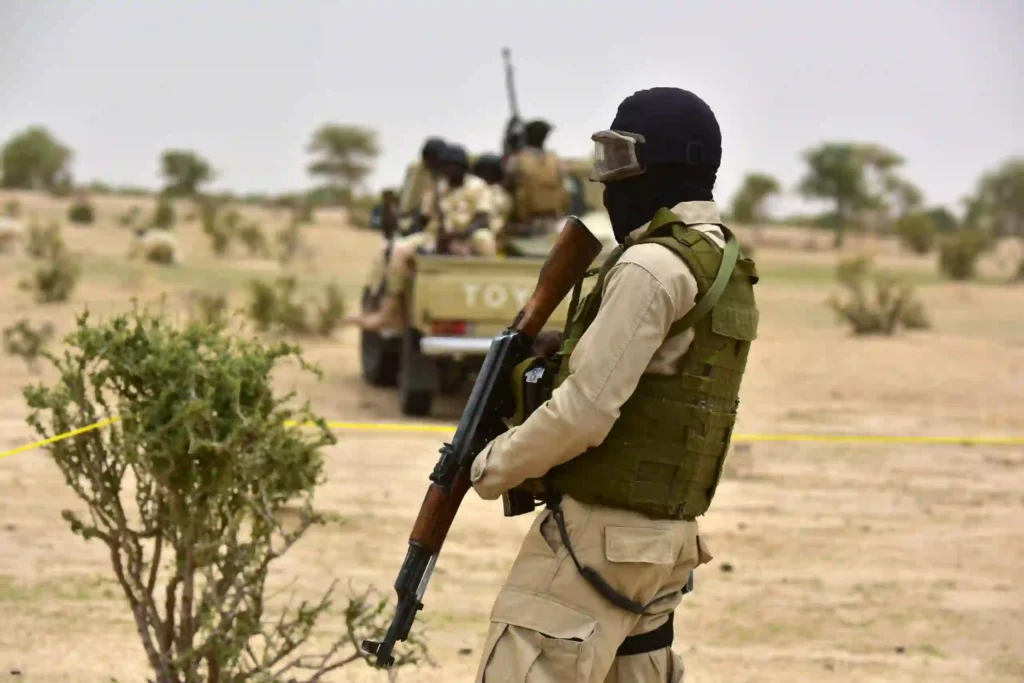

The political landscape of West Africa shifted dramatically on January 29, 2025, when the military governments of Niger, Mali, and Burkina Faso formally announced their departure from the Economic Community of West African States (ECOWAS). Their withdrawal marked a historic fracture in the region’s most influential political and economic institution. The three countries, each led by a military junta following successive coups, went on to establish a new bloc known as the “Alliance of Sahel States.” Beyond the political symbolism, the split has introduced a new era of uncertainty with far-reaching security implications.
At the heart of the concern lies the growing security vacuum within the Sahel. Each coup that has taken place over the last several years has weakened state institutions and disrupted military command structures. While the stated justification for these takeovers often centres on deteriorating security conditions or alleged government corruption, the aftermath typically leads to further instability. Instead of strengthening the fight against extremist organisations, coups tend to redirect military priorities toward securing political power. Troops that would normally be deployed in remote conflict zones are reassigned to protect government installations and the new leadership.
Related News
Many Feared Dead as Boko Haram Fighters Overrun Military Base and IDP Camp in Borno
Suspected militants from the Islamic State West Africa Province launched a coordinated early-morning assault on a military base and an…

Gun Attack on ADC Leaders in Edo Raises Fears of Violent Election Season
A gun attack on African Democratic Congress leaders in Benin City, including Peter Obi and Chief John Oyegun, has heightened…
Nigeria Issues Travel Advisory as Israel-US and Iran Conflict Escalates in Gulf Region
The Federal Government of Nigeria has issued a travel advisory urging Nigerians in Iran and neighbouring Gulf states to exercise…
This internal shift creates openings for jihadist groups, particularly those with affiliations to al-Qaeda and the Islamic State. Regions in Mali, Burkina Faso, and now parts of Niger have experienced increased militant activity as security forces struggle to maintain control. In some rural areas, extremist groups have taken advantage of the weakened state presence to establish parallel governance systems, enforcing their own rules, collecting taxes, and expanding their influence among vulnerable communities.
The ripple effects extend beyond national borders. Counterterrorism efforts in the Sahel rely heavily on cross-border coordination, intelligence sharing, and joint operations—mechanisms that have been severely disrupted by political tensions. The break between the three Sahelian juntas and ECOWAS has further complicated the diplomatic landscape. Sanctions, threats of intervention, and deteriorating relations have hindered previously functioning military collaborations. As borders harden politically, they become more permeable to extremist movements.
For Nigeria, these developments present a growing challenge. The country’s northern region, which already faces persistent threats from Boko Haram and the Islamic State West Africa Province (ISWAP), is now exposed to instability spilling over from Niger. Security cooperation between Abuja and Niamey has weakened following Niger’s coup, creating blind spots along shared borders. Reports indicate that extremist factions from the Sahel are shifting operations eastward, seeking new routes and recruitment opportunities in northwestern Nigeria. This comes as Nigeria contends with multiple security challenges, including banditry, communal conflicts, and long-standing insurgencies.
An additional concern is the potential involvement of Russia’s Wagner Group, whose activities in Mali have been linked to worsening human rights conditions and escalating violence. With Western governments withdrawing support from Niger’s junta, the possibility of Niger turning to Wagner for military assistance remains a real and consequential risk. Such a shift could further destabilise the region and complicate international efforts to restore stability.
Addressing this evolving crisis requires more than military solutions. Analysts emphasise the need for a balanced approach that combines diplomatic engagement, humanitarian support, and long-term development. While international pressure on military regimes remains essential, isolating these governments entirely may accelerate the spread of extremist influence and push them toward alliances that deepen the crisis. Strengthening civilian institutions, addressing economic grievances, and investing in climate-resilient infrastructure are critical components of any sustainable strategy.
The Sahel’s instability represents one of the most serious security challenges facing West Africa today. As coups undermine governance and create openings for extremist groups, Nigeria—due to its proximity, population size, and existing security burdens—stands at the forefront of potential spillover effects. The choices regional and international stakeholders make in the coming months will play a decisive role in shaping the region’s trajectory.