Taxes Not Responsible for High Domestic Airfares, NCAA Insists Amid Public Outcry


The Nigerian Civil Aviation Authority (NCAA) has dismissed widespread claims that excessive government taxes are the primary reason for the high cost of domestic air travel in Nigeria, insisting that airlines do not pay the volume of levies often cited in public discourse. The aviation regulator says the recent surge in ticket prices, especially during the December festive period, is largely a result of market dynamics rather than taxation.
The clarification was made by the Director of Public Affairs and Consumer Protection at the NCAA, Michael Achimugu, following renewed public debate sparked by comments from airline operators and industry stakeholders. According to Achimugu, allegations that domestic airlines pay as many as 18 different taxes are inaccurate and misleading.
In a series of statements shared on X (formerly Twitter), Achimugu explained that the NCAA does not regulate airfare pricing and therefore does not set ticket costs for domestic flights. However, he noted that due to the intensity of public concern, the Authority convened meetings with all domestic airline operators to interrogate claims that government-imposed taxes were driving up fares.
According to him, none of the airlines confirmed paying the number of taxes being repeatedly referenced in media discussions. “Any domestic carrier operating domestic flights that says they are paying 18 taxes is a liar. No domestic airline pays 18 taxes,” Achimugu stated. He added that airlines themselves admitted that the tax burden being cited publicly does not reflect reality.
Related News

Tax Reform Committee Debunks Claims of 25% Levy on Building Materials and Funds Under Nigeria Tax Act 2025
Authorities overseeing Nigeria’s tax reforms have dismissed claims that the Nigeria Tax Act 2025 introduces a 25 percent tax on…
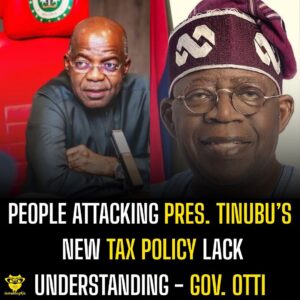
Governor Otti Defends Tinubu’s Tax Reforms, Says Critics Misunderstand Policy Framework
Abia State Governor Alex Otti has defended President Bola Tinubu’s newly introduced tax reform policies, stating that many critics lack…
PAYE Cut Boosts Workers’ Take-Home Pay in January — Oyedele
Chairman of the Presidential Fiscal Policy and Tax Reforms Committee, Taiwo Oyedele, says Nigerian workers are beginning to receive higher…
The NCAA spokesperson also questioned the logic behind blaming taxes for ticket prices that rose sharply in December, noting that there had been no corresponding increase in aviation fuel prices or government levies during the same period. He argued that if taxes were responsible for ticket prices rising to between ₦150,000 and ₦200,000 earlier in the year, it would be difficult to explain fares reaching as high as ₦500,000 for short-haul flights during the festive rush when tax rates remained unchanged.
Achimugu further described it as contradictory for some industry voices to claim simultaneously that Nigerians enjoy the lowest domestic airfares globally while also defending exceptionally high ticket prices during peak travel periods. He maintained that the December fare surge is not unique to aviation, pointing out that transport fares, accommodation costs, and food prices also tend to rise during periods of increased demand.
The NCAA’s response follows comments by Air Peace Chairman and Chief Executive Officer, Allen Onyema, who had argued that airlines face significant operational costs beyond base fares. Onyema claimed that between 65 and 70 percent of ticket revenue goes to levies, taxes, and charges, leaving airlines with a fraction of the fare as actual income. He also highlighted challenges such as empty return flights on certain routes, aircraft maintenance costs, foreign exchange pressures, and insurance expenses.
However, the NCAA countered this narrative by stating that while airlines face genuine operational challenges, attributing fare hikes primarily to government taxation is misleading. Achimugu emphasized that the current administration has introduced measures aimed at supporting domestic carriers, including access to dry-leased aircraft—an option that had been largely unavailable to Nigerian airlines for decades.
He also revealed that during engagements with airline operators, travel agents, and relevant regulatory departments, there was no consensus to support the claim that government taxes were responsible for the sudden fare increases. Instead, discussions focused on improving customer service, better communication during flight disruptions, and compliance with Part 19 of the NCAA Regulations 2023, which outlines passenger rights and airline obligations.
Despite the NCAA’s position, public reaction has remained sharply divided. Many Nigerians argue that regardless of the technical breakdown of taxes and levies, airfare levels remain unaffordable for the average citizen and require stronger regulatory intervention. Calls have intensified for greater transparency, including demands that airlines publish detailed fare components to show exactly how ticket prices are determined.
Others have urged the Federal Government to consider policy options such as price caps, enhanced competition, or even the revival of a national carrier to moderate costs. Critics also point to broader economic pressures—currency depreciation, inflation, and declining purchasing power—as factors that make high airfares particularly painful for consumers.
As the debate continues, the NCAA insists that while it will continue to engage airlines and protect consumer rights, the reality of peak-season pricing is driven mainly by demand outstripping available capacity. The Authority maintains that resolving the issue of high airfares will require a combination of market expansion, operational efficiency, and long-term structural reforms rather than an oversimplified focus on taxation.