Understanding Donald Trump’s Threat of Possible Military Action Against Nigeria
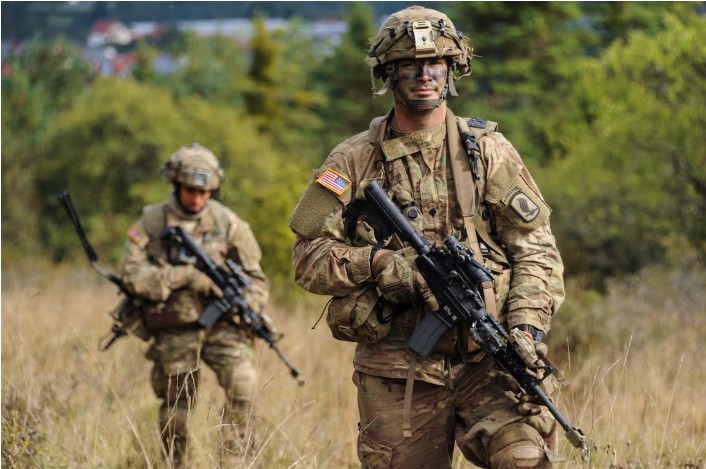

In an unexpected escalation that has stirred international debate, former U.S. President Donald Trump has reportedly threatened military intervention in Nigeria over alleged persecution of Christians. The statement, widely covered by The Bureau News and other outlets, has generated concern among Nigerian officials and global observers alike.
The Trigger Behind Trump’s Statement
In late October 2025, Trump claimed that Christians in Nigeria were facing an “existential threat,” citing reports of violence in the northern region. He accused Islamist militants of orchestrating mass killings and urged the U.S. Department of Defense to “prepare options.” His remarks also included a warning that U.S. financial aid to Nigeria could be suspended if the alleged “genocide” continued — a statement that immediately drew diplomatic attention.
According to Reuters, Trump’s directive to the Pentagon involved “contingency planning” — essentially exploring possible responses rather than launching any immediate operation. However, the use of language implying potential U.S. intervention raised alarms within Nigeria and across the African continent.
Nigeria’s Response
Nigeria’s federal government quickly rejected Trump’s assertions, describing them as “based on flawed and exaggerated information.” Officials from the Ministry of Foreign Affairs insisted that Nigeria is not a religiously intolerant country, emphasizing that ongoing violence in the north results from terrorism, banditry, and communal conflicts — not government-backed religious persecution.
In a statement issued from Abuja, authorities expressed willingness to cooperate with the U.S. and other international partners in combating terrorism, as long as Nigeria’s sovereignty remains respected. They also urged Western leaders to avoid “simplistic narratives” that frame Nigeria’s security crisis solely along religious lines.
On-the-Ground Realities
Independent human rights organizations confirm that while Christian communities have been victims of violence, Muslims and people of other faiths have suffered equally. Analysts stress that the situation in northern Nigeria is driven by overlapping issues — poverty, resource scarcity, and weak governance — rather than a single religious agenda.
Experts caution that framing the conflict as “Christian genocide” risks inflaming sectarian divisions, misrepresenting the complexity of Nigeria’s insecurity problem, and undermining diplomatic relations between Abuja and Washington.
Related News

DSS Tells Court Kaduna Man’s Tweets Could Drag Nigeria into Israel–Iran Conflict
Nigeria’s domestic intelligence agency, the Department of State Services (DSS), has told a court that social media posts allegedly made…

Nigeria Begins Evacuation of Citizens from Iran Amid Escalating Middle East Conflict
The Nigerian government has started evacuating its citizens from Iran as tensions in the Middle East intensify.
Nigeria Surpasses India in Number of People Living in Poverty – Report
New data shared by Statisense suggests that Nigeria now has a higher number of people living below the poverty line…
Is an Invasion Likely?
At this stage, no U.S. military assets have been deployed toward Nigeria or West Africa. Reports from The Bureau News confirm that Trump’s comments amount to strategic posturing rather than active military planning. However, they add a layer of uncertainty to U.S.–Africa relations, particularly as Trump’s rhetoric tends to influence policy debates in Washington.
Implications of the Threat
-
Sovereignty and Diplomacy:
A U.S. military strike, even if symbolic, would have significant diplomatic repercussions, challenging Nigeria’s leadership within ECOWAS and the African Union. -
Security Partnerships:
Nigeria already cooperates with the U.S. and the UK on counter-terrorism initiatives. A direct threat from Washington could jeopardize these efforts and strain long-standing alliances. -
Religious Perception:
Simplifying Nigeria’s complex security landscape into a “Christian vs. Muslim” narrative risks amplifying internal divisions and misguiding international intervention.
What to Watch Next
Observers are closely monitoring whether:
-
The U.S. suspends aid or imposes targeted sanctions.
-
American military units reposition near West Africa.
-
ECOWAS, the African Union, or the United Nations issue diplomatic statements.
-
Independent investigations verify Trump’s claims of widespread persecution.
The Broader Context
The potential confrontation highlights the fragile balance between human rights advocacy and international sovereignty. For Nigeria, the episode underscores the need for stronger domestic communication and credible data to counter exaggerated narratives abroad. For the United States, it raises ethical and strategic questions about the use of force in humanitarian contexts — particularly when information is incomplete or politicized.
As of early November 2025, there is no evidence of an impending invasion. The situation remains diplomatic rather than military, though both nations now face pressure to clarify their positions. The coming weeks will likely determine whether this standoff escalates into a full-blown diplomatic crisis or fades into political rhetoric.