Tinubu: “Poverty Is Not Our Milestone” — President Reaffirms Economic Reform Goals Amid Public Discontent
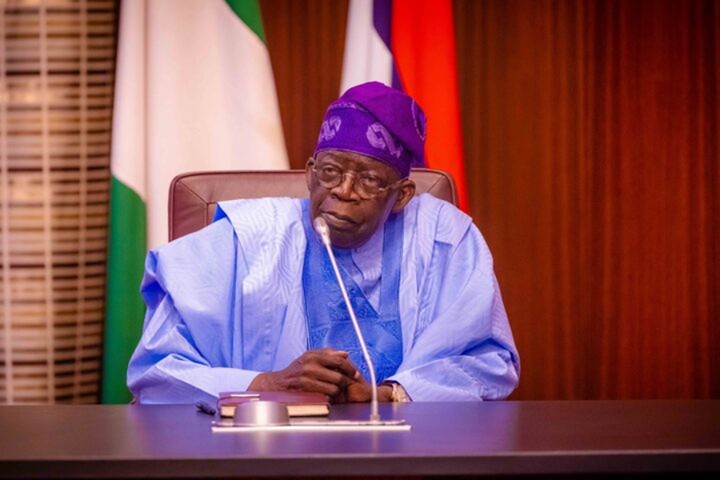

President Bola Ahmed Tinubu has reaffirmed his administration’s determination to lift Nigeria out of poverty, assuring citizens that ongoing economic reforms will place the country on a sustainable path to prosperity.
Speaking at the Nigerian Guild of Editors (NGE) Conference in Abuja, Tinubu acknowledged the pain Nigerians are enduring but maintained that the hardship is temporary and necessary for long-term stability. “We may be poor; poverty is not going to be our milestone. We are going to come out of it,” the President said.
He emphasized that his administration’s reforms — including subsidy removal, foreign exchange unification, and efforts to stabilize fiscal policy — were deliberately designed to “place Nigeria’s economy on a strong and enduring footing.” Tinubu also urged the media to play a constructive role in shaping national progress, stating that “every stakeholder, especially the press, has a duty to contribute to Nigeria’s renewal.”
However, the President’s remarks have drawn sharp criticism from Nigerians online, many of whom argue that the government’s economic policies have worsened living conditions.
One commenter, yarimo, offered unreserved praise, saying, “Nigerians are happy with your leadership, sir.” But others quickly pushed back. AdamuKD replied, “Keep on deceiving yourself, but bear in mind that posterity will judge you.”
Related News

FCT Women Turn Private Cars into Commercial Taxis Amid Rising Cost of Living
Growing economic pressure in Nigeria’s capital, Federal Capital Territory, is pushing many women to convert their private cars into informal…
Tinubu Announces Global Acceptance of Naira Cards for International Transactions
President Bola Ahmed Tinubu has announced that Nigerian-issued Naira debit cards can now be used for transactions worldwide, describing the…
China to Remove Tariffs on Most African Imports Starting May 1, Says Xi Jinping
China has announced plans to eliminate tariffs on imports from nearly all African nations beginning May 1, a move President…
For many, Tinubu’s optimism seemed disconnected from reality. obi4eze wrote, “Believe these people at your own peril. It’s actually the opposite — more people have been thrown into poverty.” Dhury added, “Words like these sound good, but people can’t feed their families with promises. We need policies that bring immediate results, not endless reassurance.”
Several users drew parallels between Tinubu’s defenders and those who previously supported former President Muhammadu Buhari. Lawxen commented, “Just like many praised Buhari’s leadership while he was in power, but the moment he left, his administration suddenly became the worst in their eyes.”
Others criticized the growing economic divide under Tinubu’s leadership. blingxx noted, “What this man is doing is putting a gap between the poor and the rich. Only those who know how to take advantage of this economy will benefit — a minority of people.”
Political observers have also expressed concern over the widening distrust between government and citizens. One user, ACRI, warned that “those around the president have sinister motives by not telling him the truth. There’s growing discontent among the masses. This administration is the definition of real capitalism — the divide between rich and poor is now unimaginable.”
Beyond online discourse, analysts say the President’s rhetoric reflects a broader tension between long-term economic reform and immediate citizen welfare. Since taking office, Tinubu has pursued bold fiscal and monetary policies, but inflation remains stubbornly high, and the cost of living continues to rise.
Some supporters argue that these reforms, while painful, are a necessary step toward restoring investor confidence and national solvency. But critics insist that without safety nets for the vulnerable, such policies risk deepening inequality and social unrest.
As Nigerians grapple with the realities of food inflation, unemployment, and currency devaluation, the phrase “poverty is not our milestone” has become both a slogan of hope and a target of satire — a reflection of a nation torn between faith in reform and frustration with hardship.
Whether Tinubu’s assurances will translate into tangible relief remains to be seen, but the conversation underscores a growing demand for not just promises of a brighter future — but evidence of one.