Tinubu Announces Global Acceptance of Naira Cards for International Transactions
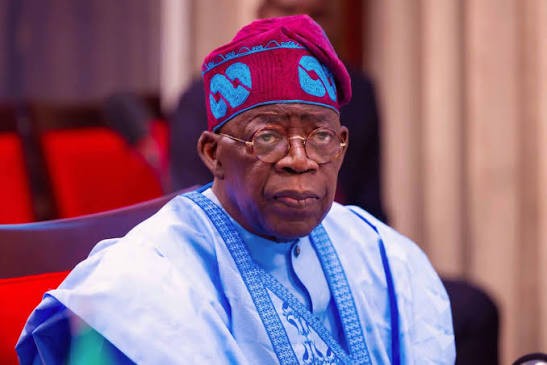

President Bola Ahmed Tinubu has declared that Nigerians can now use their Naira-denominated debit cards for transactions across the world, marking what he described as a significant step toward restoring confidence in the country’s financial system and national currency.
The announcement was made in Abuja during the 9th Annual Ramadan Lecture and Prayer for the Nation organised by the Ashraaf Islamic Foundation. Represented by the Minister of State for Health, Dr. Iziaq Adekunle Salako, the president stated that the development reflects progress made through recent economic reforms implemented by his administration.
According to Tinubu, the renewed international usability of Naira cards signals a shift away from Nigeria’s heavy dependence on foreign currencies such as the US dollar, euro, and British pound for everyday international transactions. He said Nigerians travelling abroad would now be able to rely on their local bank cards without necessarily sourcing foreign currency before departure.
The president attributed the development to what he described as improved macroeconomic stability, stronger external reserves management, and policy adjustments by the Central Bank of Nigeria. He noted that interest rates had been reviewed downward in recent months and that inflation indicators were gradually showing signs of moderation.
Tinubu acknowledged that the economic reforms introduced at the beginning of his administration brought temporary hardship for many Nigerians. Measures such as fuel subsidy removal and foreign exchange unification were widely debated and initially triggered sharp increases in living costs. However, he insisted that those decisions were necessary to address structural weaknesses in the economy.
Related News

DSS Tells Court Kaduna Man’s Tweets Could Drag Nigeria into Israel–Iran Conflict
Nigeria’s domestic intelligence agency, the Department of State Services (DSS), has told a court that social media posts allegedly made…

Nigeria Begins Evacuation of Citizens from Iran Amid Escalating Middle East Conflict
The Nigerian government has started evacuating its citizens from Iran as tensions in the Middle East intensify.

Nigeria Surpasses India in Number of People Living in Poverty – Report
New data shared by Statisense suggests that Nigeria now has a higher number of people living below the poverty line…
He argued that current financial indicators suggest Nigeria is entering a recovery phase, pointing to improved currency stability and growing confidence within the banking sector. According to him, the acceptance of Naira cards for international transactions demonstrates that Nigerian financial institutions are regaining global integration.
The announcement has sparked mixed reactions across the country. Supporters describe the move as a welcome development that eases travel and international online payments for Nigerians, particularly students, business owners, and professionals who frequently engage in cross-border transactions.
However, critics question whether the policy represents a new achievement or a restoration of services that were previously available before foreign exchange shortages led to restrictions on international card usage. In previous years, several Nigerian banks had suspended international transactions on Naira cards due to limited access to foreign exchange.
Economic analysts note that for sustained global acceptance of Naira cards, currency stability and adequate foreign reserves remain crucial. They also emphasize the importance of maintaining investor confidence and ensuring transparent monetary policies.
Beyond the economic announcement, President Tinubu used the occasion to address national security concerns. He reiterated his administration’s commitment to combating terrorism and banditry, stating that the government would continue to confront threats to Nigeria’s peace and unity.
He also praised religious and traditional leaders for their continued prayers and moral support, describing national cohesion as essential for economic recovery and security progress.
The event’s theme, “Faith and Justice: The Islamic Judicial Perspective on Terrorism and Banditry in Nigeria,” provided a platform for broader reflections on governance, justice, and social responsibility. Tinubu stressed that economic reforms and security efforts must work hand in hand to ensure lasting stability.
As discussions continue about the long-term impact of the government’s economic policies, the global usability of Naira cards will likely be closely monitored by both financial institutions and the public. Whether the development translates into sustained confidence in the Naira will depend on broader economic trends in the months ahead.