Super Eagles Resume Training After NSC Intervenes in Bonus Dispute
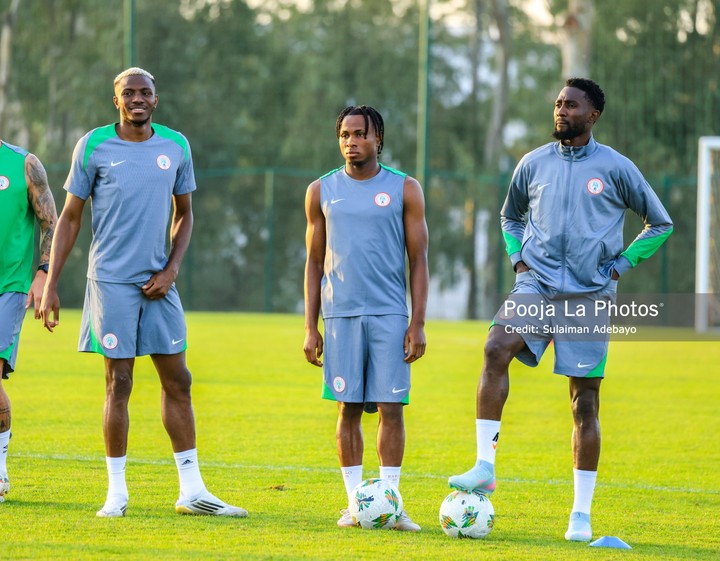

The Super Eagles of Nigeria have resumed their training sessions in Rabat, Morocco, following the resolution of a dispute over unpaid bonuses and allowances that briefly halted their World Cup qualifying preparations.
According to reports by Very Nigerian, the players had suspended training earlier in the week to protest delayed payments from the Nigeria Football Federation (NFF), which they claimed covered several international match windows. The standoff cast uncertainty over Nigeria’s readiness for their upcoming 2026 FIFA World Cup African Qualifier play-off against Gabon.
The impasse was settled after the intervention of the National Sports Commission (NSC), which reportedly mediated between the players and football officials. Team captain William Troost-Ekong confirmed the development late Tuesday night in a post shared on his official X (formerly Twitter) handle.
“Issue RESOLVED. We are together and as before focused on the games ahead! 🇳🇬 @NGSuperEagles,” the defender wrote, signaling a return to normalcy within the camp.
Related News
Kaduna State Government Takes Over Ahmadu Bello Stadium, Begins Major Reconstruction
The Kaduna State Government has officially taken over ownership of the iconic Ahmadu Bello Stadium from the Federal Government, following…

Nigeria Marks Fourth Consecutive Winter Olympics Appearance with Athlete Samuel Ikpefan
Nigeria has continued its growing presence in winter sports with its fourth consecutive appearance at the Winter Olympic Games.

Mikel Obi Reveals How Premier League Rule Blocked Manchester United Move
Former Super Eagles captain John Obi Mikel has disclosed that a Premier League work permit regulation stopped Manchester United from…
Sources close to the team indicated that players had grown increasingly frustrated over repeated delays in the payment of match bonuses, camp allowances, and appearance fees — issues that have persisted across multiple competitions. The protest reportedly began on Monday, with the squad refusing to participate in training sessions scheduled for both Monday and Tuesday.
While the NSC’s intervention has been welcomed, the incident has reignited long-standing debates about administrative inefficiency and transparency within Nigerian sports bodies, particularly the NFF. Observers argue that recurring disputes of this nature continue to undermine player morale and Nigeria’s international image in competitive football.
The online reaction to the development has been mixed. While some fans expressed relief that the crisis was resolved before the crucial Gabon fixture, others criticized both the NFF and the players for allowing financial disagreements to disrupt national preparations.
One social media user commented, “Must they beg for their allowances every time? If they are paid as at when due, we can complain if they don’t play well.” Another added, “The NFF board should all be sacked and thrown in jail. Criminals in office.”
Other Nigerians, however, took issue with the players’ timing, describing the protest as “unpatriotic” so close to an important qualifying match. Some commenters accused the football authorities of only reacting under pressure, highlighting what they described as a “culture of delay and neglect” in Nigerian sports administration.
Despite the controversy, morale in the camp appears to have been restored. Players including Victor Osimhen and Alex Iwobi are expected to feature prominently in Thursday’s decisive encounter against Gabon.
Analysts believe Nigeria’s qualification hopes now hinge not only on athletic performance but also on maintaining unity and focus off the pitch. The NSC’s prompt action has been credited with preventing what could have been a major setback in the country’s World Cup campaign.
As the team prepares to face Gabon, supporters are hopeful that the episode marks a turning point in how Nigeria’s sporting authorities handle player welfare and financial accountability.