Nigeria Marks Fourth Consecutive Winter Olympics Appearance with Athlete Samuel Ikpefan

Nigeria has sustained its participation in winter sports on the global stage with its fourth consecutive appearance at the Winter Olympic Games, currently taking place in Milan and Cortina d’Ampezzo, Italy, from February 6 to February 22, 2026. The country’s representation at the games highlights its ongoing commitment to expanding its presence beyond traditional sporting disciplines and into less conventional arenas such as winter sports.
Team Nigeria is represented at the 2026 Winter Olympics by cross-country skier Samuel Ikpefan, who is competing in the men’s sprint classic and the 10-kilometre freestyle events. His participation marks a significant milestone, as he becomes the first Nigerian athlete to compete in two editions of the Winter Olympic Games. Ikpefan previously represented Nigeria at the Beijing 2022 Winter Olympics, further establishing himself as a key figure in the nation’s winter sports development.
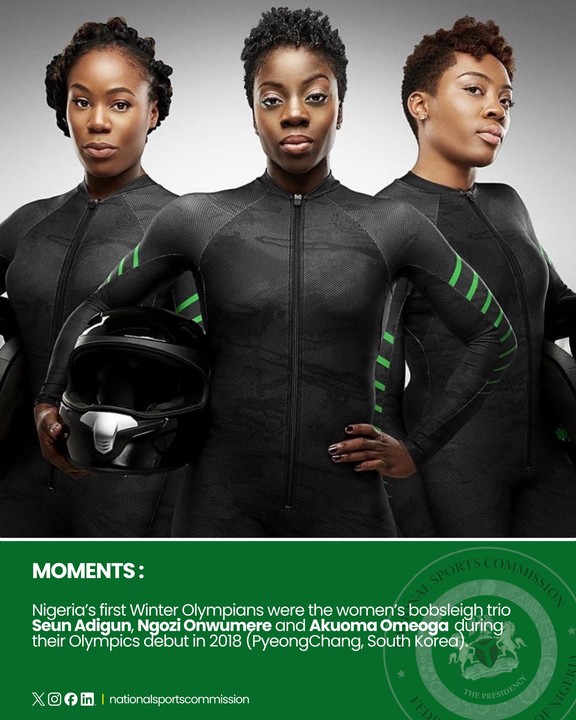
Nigeria’s journey in the Winter Olympics began in 2018 when the country made its debut appearance at the PyeongChang Games in South Korea. That participation marked a historic moment, signaling Nigeria’s entry into a sporting domain traditionally dominated by countries with colder climates and well-established winter sports infrastructure. Since then, Nigeria has maintained a consistent presence at the Winter Games, participating in Beijing 2022 and now Milano-Cortina 2026.
Related News

Kaduna State Government Takes Over Ahmadu Bello Stadium, Begins Major Reconstruction
The Kaduna State Government has officially taken over ownership of the iconic Ahmadu Bello Stadium from the Federal Government, following…

Mikel Obi Reveals How Premier League Rule Blocked Manchester United Move
Former Super Eagles captain John Obi Mikel has disclosed that a Premier League work permit regulation stopped Manchester United from…

Meet 19-Year-Old Jimoh Aloba, Aston Villa’s Nigerian Match Winner in Europa League Thriller
Teenage midfielder Jamaldeen Jimoh-Aloba announced his arrival on the European stage after scoring a dramatic late winner for Aston Villa…
The continued participation of Nigerian athletes in winter sports reflects broader efforts by sports authorities and individual athletes to diversify the country’s sporting representation on the global stage. While Nigeria is internationally recognized for its achievements in athletics, football, and other summer sports, involvement in winter sports demonstrates a willingness to explore new frontiers and expand opportunities for athletes.
The National Sports Commission has acknowledged Team Nigeria’s participation and reiterated its commitment to supporting Nigerian athletes competing in international competitions. Officials note that representing Nigeria at global sporting events helps promote national pride, fosters international recognition, and provides athletes with platforms to develop their skills and gain exposure.
Ikpefan’s participation is also seen as a testament to the dedication and resilience required to compete in winter sports as a Nigerian athlete. Training and competing in disciplines such as cross-country skiing present unique challenges for athletes from tropical countries, including limited access to suitable training environments and infrastructure. Despite these obstacles, Nigerian athletes have continued to pursue opportunities to compete at the highest levels.
Sports analysts suggest that Nigeria’s consistent presence at the Winter Olympics could inspire greater interest in winter sports among young Nigerians and encourage the development of support systems for athletes interested in non-traditional disciplines. Increased exposure may also open doors for partnerships, sponsorships, and international collaborations aimed at strengthening Nigeria’s winter sports programs.
Beyond competition results, participation in the Winter Olympics offers symbolic value for Nigeria’s sporting community. It reflects the country’s expanding ambitions and demonstrates that Nigerian athletes can compete across a wide range of sporting disciplines globally. Continued involvement in international competitions may also contribute to long-term development and institutional support for diverse sporting initiatives.
As the Milano-Cortina 2026 Winter Olympics progress, attention remains on Team Nigeria’s performance and the broader significance of its continued presence at the games. For many observers, Nigeria’s participation represents steady progress in expanding its sporting identity and reinforcing its commitment to global athletic engagement.