Nigeria Secures New Backing From US, UK, France in Intensified War Against Terrorism — NSA Ribadu
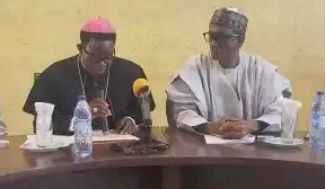

Nigeria’s National Security Adviser (NSA), Malam Nuhu Ribadu, has announced that the country is now receiving renewed international support from major global powers—including the United States, the United Kingdom, and France—in its long-running battle against terrorism and insurgent violence. Ribadu made the disclosure during a federal government delegation visit to Niger State on Monday, where he met with the Catholic Bishop of Kontagora Diocese, the Very Reverend Bulus Dauwa Yohanna, and the parents of kidnapped students from St. Mary Catholic Nursery, Primary and Secondary School in Agwara.
Ribadu stated that Nigeria is no longer facing the conflict alone, noting that global powers have stepped in with various forms of assistance aimed at helping the country counter extremist groups that have terrorized communities for nearly twenty years. “Many good people from all over the world are coming to support us, including the United States of America,” he said. “We appreciate everyone, especially the European countries like France, the United Kingdom, and others.”
According to Ribadu, the recent wave of international support signals a growing recognition of the severity and global implications of the terrorism challenges Nigeria faces. “The whole world is coming together to stop and defeat this evil which has been ongoing in Nigeria for two decades,” he added. The NSA expressed confidence that with the combined efforts of domestic forces and international partners, Nigeria will ultimately overcome insurgent networks responsible for mass kidnappings, killings, and widespread instability.
Addressing the families of abducted children, Ribadu conveyed President Bola Ahmed Tinubu’s distress over the incident. He revealed that the President canceled several official engagements to focus fully on the crisis. “Mr. President said I should thank you, Bishop Yohanna, for your understanding, patience, and for giving us the right information. We are one,” Ribadu emphasized.
He assured the community that the federal government is mobilizing security resources around the affected areas, promising that the school and community will receive enhanced protection going forward. Ribadu delivered a strong message of hope, stating, “The children are where they are and will come back safely… Evil will never win. Enough is enough.”
The NSA also spoke forcefully about national unity, urging Nigerians not to allow terrorism to divide the country along religious or ethnic lines. “We are all under attack. Let us not allow bad people to divide us,” he cautioned. “This thing they have done is what will change Nigeria for good.”
Related News
DSS Tells Court Kaduna Man’s Tweets Could Drag Nigeria into Israel–Iran Conflict
Nigeria’s domestic intelligence agency, the Department of State Services (DSS), has told a court that social media posts allegedly made…
Nigeria Begins Evacuation of Citizens from Iran Amid Escalating Middle East Conflict
The Nigerian government has started evacuating its citizens from Iran as tensions in the Middle East intensify.

Nigeria Surpasses India in Number of People Living in Poverty – Report
New data shared by Statisense suggests that Nigeria now has a higher number of people living below the poverty line…
During the meeting, Bishop Yohanna expressed gratitude to the NSA and President Tinubu for personally intervening and offering reassurance to frightened families. The bishop presented copies of a report on the incident before the delegation entered a closed-door session lasting approximately 30 minutes.
School principal Reverend Sister Felicia Gyang, along with parent representative Mr. Luka Iliya, recounted the events surrounding the abduction and described the emotional toll on both students and families. Their testimonies underscored the urgency of the situation and the fragility of many rural communities exposed to repeated attacks.
Ribadu was joined on the visit by a high-level delegation, including the Minister of Humanitarian Affairs and Poverty Alleviation, Dr. Bernard Doro; the Director General of the Department of State Services (DSS), Oluwatosin Ajayi; and the Chairman of the Christian Association of Nigeria (CAN) in Northern Nigeria, Reverend Joseph Hayab.
Public Reactions: Divided, Emotional, and Often Heated
Following the announcement, reactions across social platforms were intense and varied. Supporters welcomed the involvement of global powers, arguing that Nigeria’s security forces need all the assistance they can get. Many saw the support as a long overdue international acknowledgment of Nigeria’s prolonged struggle.
However, critics argued that Nigeria must be cautious to avoid compromising its sovereignty, a concern some users dismissed as unfounded. Others pointed to past frustrations—such as delayed arms deliveries and restrictive conditions imposed by Western governments—as reasons for skepticism.
Several commenters challenged the federal government’s messaging, accusing officials of inconsistency, propaganda, or downplaying the scale of insecurity in previous statements. A few users claimed that deeper structural problems within Nigeria’s military command—such as alleged ideological loyalties—must be addressed before foreign assistance can be truly effective.
Even more emotionally charged reactions centered on the safety of children, with many urging the government to finally put an end to decades of mass abductions. Others questioned why the international community is showing renewed interest now, after years of stalled support.
Still, amidst the debate, a shared sentiment emerged: Nigerians are exhausted by terrorism’s toll and are desperate for lasting solutions. The coming months—shaped by international cooperation, military operations, and community resilience—will determine whether this new phase of global support marks a real turning point in Nigeria’s war against insurgents.