Former Anambra Governor Chris Ngige Arrested by EFCC in Abuja
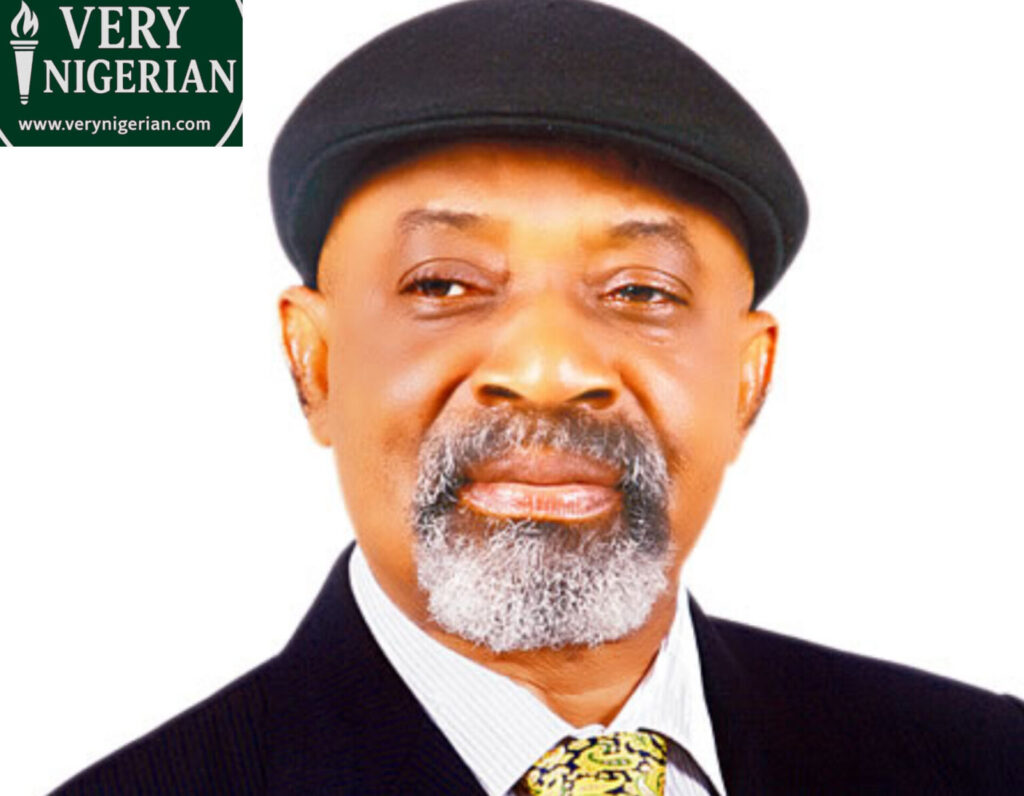

The Economic and Financial Crimes Commission (EFCC) has arrested former Anambra State governor and immediate past Minister of Labour and Employment, Dr. Chris Ngige, in Abuja. The development, confirmed late Wednesday, has triggered widespread reactions and speculation across political circles and social media.
Ngige’s arrest was officially confirmed in a statement issued by his former media aide, Fred Chukwulobe. The statement sought to dispel fast-spreading rumours suggesting that the former governor had been kidnapped. According to Chukwulobe, Ngige is currently with the EFCC, and further details regarding the circumstances of his arrest will be provided later.
Related News

EFCC Arraigns Investment Firm Boss Ufoma Joseph Immanuel Over Alleged $1.5 Million Fraud
Nigeria’s anti-graft agency, the Economic and Financial Crimes Commission (EFCC), has arraigned businessman Ufoma Joseph Immanuel, the chief executive of…
EFCC Hands Over Recovered ₦279 Million to Wole Soyinka Centre for Culture and Creative Arts
The Economic and Financial Crimes Commission has handed over ₦279 million recovered from a corruption case linked to a National…
EFCC Files Terrorism Financing and Money Laundering Charges Against Bauchi State Officials
Court documents and official records reviewed by investigators reveal an extensive off-the-books cash disbursement system allegedly operated by Bauchi State…
The confirmation came amid heightened conversation surrounding Ngige in recent days, following an attack on his convoy in Anambra State. During that incident, gunmen targeted one of the vehicles in his convoy. Although the attack raised security concerns, Ngige was not in the vehicle at the time, and no casualties were reported.
While the EFCC has not yet released a public statement specifying the allegations against Ngige, the news has already ignited significant debate. Many Nigerians online have framed the incident within the broader context of political tension, with opinions sharply divided.
Some commenters argue that the EFCC is being used to target perceived political opponents, especially former appointees of the previous federal administration. They see Ngige’s arrest as part of a growing pattern of scrutiny directed at individuals who served under former President Muhammadu Buhari. Others, however, insist that no individual is above investigation and that anyone accused of financial wrongdoing should face due legal process, regardless of political affiliation.
Supporters of the administration in power argue that anti-corruption efforts must continue without fear or favour. They maintain that accountability is necessary to restore public trust, especially regarding previous government decisions, contracts, and expenditures. Critics, on the other hand, warn that selective prosecution undermines the credibility of anti-graft institutions and could deepen political divides.
Ngige, a well-known figure in southeastern politics and national labour administration, has had a lengthy public career, including serving as governor, senator, and minister. His name has appeared in various political controversies over the years, but he has maintained a strong base of supporters who view him as an influential technocrat and political stabilizer.
As public anticipation grows, all eyes now turn to the EFCC for an official briefing on the allegations and the next steps in the investigation. For now, the former governor remains in EFCC custody, and his legal and political fate will likely shape discourse in the coming days.