50 Cent Surges on Spotify Charts Following Release of Diddy Documentary
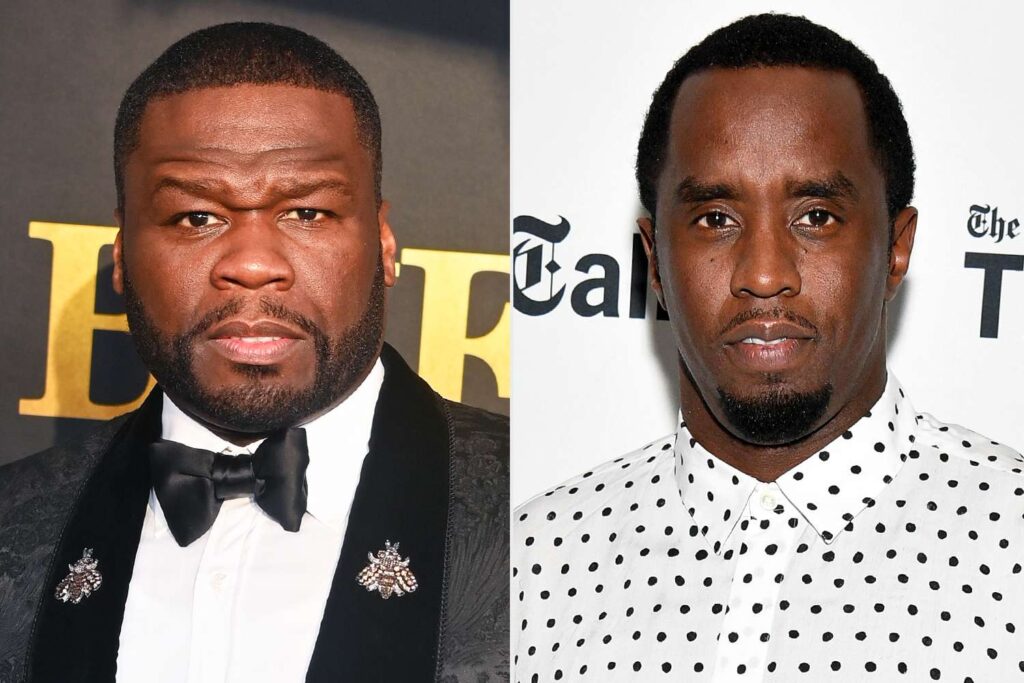

Curtis “50 Cent” Jackson has emerged as one of the biggest beneficiaries of renewed public attention in the wake of his newly released Netflix documentary focusing on music mogul Sean “Diddy” Combs. According to recent Spotify data, the rapper experienced a notable jump in streaming activity across both U.S. and global charts shortly after the docuseries premiered, underscoring the enduring connection between media visibility and music consumption in the digital era.
Spotify’s U.S. weekly artists chart, which tracks streaming activity between December 5 and December 11, shows Jackson climbing 54 places, rising from No. 199 to No. 145. This made him the highest climber on the chart for that week. On the global artists chart, he also recorded a strong gain, moving up 26 spots from No. 136 to No. 110. On Spotify’s daily charts, his performance was even stronger, ranking 119th most-streamed artist in the United States and 83rd globally on December 11.
Notably absent from the charts during the same period was Sean Combs, whose name and career form the central focus of the documentary. The contrast in chart performance between the two artists has drawn attention online, particularly given their long and publicly documented rivalry that dates back more than two decades.
Related News

Wizkid Responds to 2Baba’s Burna Boy Comment, Sparks Debate Over Afrobeats Global Rankings
A social media exchange between Wizkid and veteran singer 2Baba has stirred widespread debate after the latter described Burna Boy…

Phyna Denied Entry to BBNaija Winner Imisi’s Birthday Party Over Livestreaming Dispute
Reality TV star Phyna was reportedly denied entry to BBNaija Season 10 winner Imisi’s birthday party after refusing to stop…

TikTok Star Peller Seeks ₦11 Million Public Support to Fix Damaged Mercedes-Benz SUV After Lekki Crash
Popular TikTok streamer Habeeb Hamzat, popularly known as Peller, has appealed to fans and followers for ₦11 million to repair…
The spike in Jackson’s streaming numbers coincides with the release of the Netflix docuseries titled “Sean Combs: The Reckoning,” which debuted on December 2. The series quickly gained traction on the platform, becoming the most-watched show in the United States during the week of December 1 to December 7. Globally, it ranked second only to the latest season of Stranger Things. Within its first six days, the documentary amassed nearly 22 million minutes of viewing time, signaling strong audience interest.
The docuseries delves into Combs’ rise in the music industry, his influence on hip-hop culture, and the legal battles that ultimately culminated in his criminal convictions. It includes previously unseen footage that Combs had reportedly commissioned himself during the period leading up to his arrest and trial. The use of this material has sparked controversy, with Combs’ legal team alleging that the footage was obtained unlawfully and issuing cease-and-desist notices to Netflix.
Among the most discussed segments of the documentary are recorded conversations and behind-the-scenes moments showing Combs grappling with mounting legal pressure. In one clip, he is seen speaking with his attorney about finding aggressive media strategists to counter negative publicity. In another, he reacts angrily to multiple civil lawsuits, dismissing accusers as liars. The series also features interviews with jurors from Combs’ criminal trial, offering insight into the jury’s deliberations and the complexities of the case, including how evidence of alleged domestic violence was presented despite not being among the formal charges.
Combs was ultimately convicted on two prostitution-related charges while being acquitted on more serious counts, resulting in a prison sentence of approximately 50 months. The documentary’s exploration of these events has reignited public debate about power, accountability, and justice within the entertainment industry.
Netflix has defended the project, stating that all materials used were legally obtained and rejecting claims that the series was intended as a character assassination. Combs’ representatives, however, maintain that the documentary is unfair and misrepresents key aspects of his life and career.
For 50 Cent, the attention surrounding the series appears to have translated directly into renewed interest in his music catalog. Industry analysts note that such spikes are not uncommon when artists dominate news cycles, particularly when controversy drives widespread discussion on social media and streaming platforms.
While reactions to the documentary remain sharply divided, the data is clear on one point: the release has propelled 50 Cent back into mainstream streaming conversations, illustrating once again how media narratives and music consumption are increasingly intertwined in today’s digital entertainment landscape.