Ports That Drove Nigeria’s Export Trade in Q3 2025

Nigeria’s export performance in the third quarter of 2025 was largely driven by a small number of ports and customs commands, according to foreign trade statistics released by the National Bureau of Statistics (NBS) and analysed by Statisense. The data provides a clear snapshot of how export activities are distributed across the country, with Lagos State once again emerging as the overwhelming hub of outbound trade.
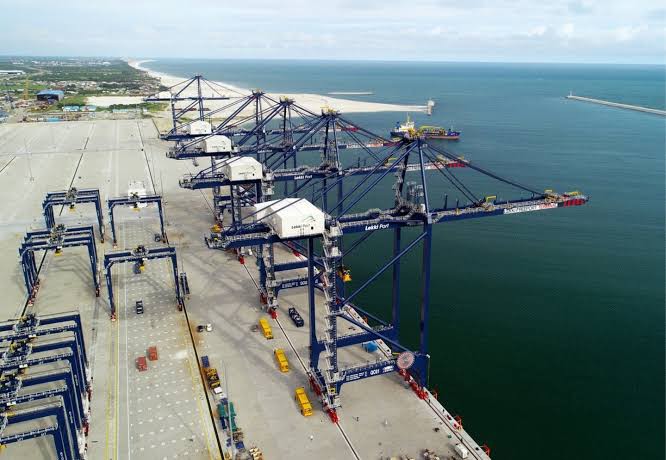
At the top of the list is Apapa Port, which recorded exports valued at approximately ₦16.90 trillion during the quarter. This figure alone dwarfs the combined export values of many other ports nationwide, reinforcing Apapa’s long-standing status as Nigeria’s most dominant maritime gateway. Closely following, though at a significant distance, is the Lekki Deep Sea Port, which posted export figures of about ₦3.36 trillion. Despite being relatively new, Lekki’s performance signals its growing importance in Nigeria’s logistics and trade ecosystem.
In third position is the Port Harcourt (Onne) Port, with exports valued at ₦1.25 trillion. Onne remains the most active port outside Lagos and plays a critical role in servicing the oil, gas, and industrial sectors in the South-South region. Tin Can Island Port, another Lagos-based facility, ranked fourth with ₦876.60 billion in export value, further consolidating the state’s dominance in maritime trade.
Related News

DSS Tells Court Kaduna Man’s Tweets Could Drag Nigeria into Israel–Iran Conflict
Nigeria’s domestic intelligence agency, the Department of State Services (DSS), has told a court that social media posts allegedly made…

Nigeria Begins Evacuation of Citizens from Iran Amid Escalating Middle East Conflict
The Nigerian government has started evacuating its citizens from Iran as tensions in the Middle East intensify.

Nigeria Surpasses India in Number of People Living in Poverty – Report
New data shared by Statisense suggests that Nigeria now has a higher number of people living below the poverty line…
Beyond the top four, export volumes drop sharply. Port Harcourt Area 1 recorded ₦108.79 billion, narrowly edging out the Seme Border Post, which accounted for ₦108.21 billion in exports. The inclusion of Seme highlights the role of land borders in Nigeria’s export chain, particularly for regional trade within West Africa.
Murtala Muhammed International Airport followed closely with ₦104.47 billion, underscoring the importance of air cargo for certain categories of exports, including perishables and high-value goods. Warri Port recorded ₦25.92 billion, while Sokoto Area Command accounted for ₦25.43 billion, reflecting export activities through inland and border customs commands rather than traditional seaports. Tin Can 2 completed the top ten with ₦20.80 billion.
A striking feature of the data is the geographical concentration of export activity. Six of the top ten export points are located in the South-West, all within Lagos State. This has reignited public debate about infrastructure imbalance, port congestion, and the underutilisation of facilities in other regions, particularly the South-South and South-East.
Commentators and analysts note that while Lagos benefits from historical investments, proximity to major markets, and better logistics infrastructure, the continued reliance on a single state for the bulk of exports poses economic and operational risks. Congestion, high transport costs, and pressure on urban infrastructure are persistent challenges linked to this concentration.
Others argue that exporters naturally gravitate toward ports that offer efficiency, reliability, and lower turnaround times, suggesting that revitalising other ports will require sustained investment, policy consistency, and improved security and connectivity. Inland ports and dry ports, such as those represented by commands like Sokoto, are also seen as critical to decentralising trade and reducing pressure on coastal facilities.
Overall, the Q3 2025 export data paints a picture of both strength and imbalance. While Nigeria continues to move large volumes of goods to international markets, the figures underscore the urgent need for a more diversified and resilient port system. Expanding and fully utilising ports across multiple regions could enhance competitiveness, reduce costs, and promote more inclusive economic growth as the country looks ahead to future trade opportunities.