FG Reports Improvement in Power Supply Following Repair of Vandalised Gas Pipeline
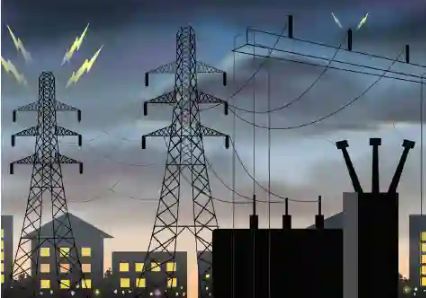

The Federal Government has announced a boost in electricity generation across Nigeria following the repair of the vandalised Lagos–Escravos gas pipeline, a critical infrastructure that supplies gas to several thermal power plants. The update was provided by the Nigerian Independent System Operator (NISO), which described the development as a significant step toward stabilising power supply after weeks of reported outages in many parts of the country.
In a statement issued on Friday, NISO confirmed that the damaged gas supply infrastructure had been successfully repaired and restored by the Nigerian Gas Infrastructure Company (NGIC). According to the Operator, the restoration has already enhanced gas supply to key thermal power plants, leading to a gradual improvement in electricity generation and grid performance.
The announcement follows widespread complaints from electricity consumers over poor and unstable power supply, which were linked to disruptions caused by the vandalisation of gas pipelines supplying power generation facilities. Thermal power plants, which rely heavily on gas, account for a substantial portion of Nigeria’s electricity generation capacity, making gas supply disruptions a major risk to grid stability.
NISO stated that power plants affected by the gas supply interruption have commenced a phased and controlled power offtake process to ensure system stability. The operator explained that the gradual approach is necessary to prevent stress on both the gas supply network and the national electricity grid.
“Currently, gradual power offtake is being carried out by the affected plants to ensure a smooth recovery and maintain the stability of both the gas supply network and the national electricity grid,” the statement said. “This measured approach is aimed at preventing system stress and ensuring a reliable supply of electricity to meet the needs of industries, businesses, and households.”
Related News

DSS Tells Court Kaduna Man’s Tweets Could Drag Nigeria into Israel–Iran Conflict
Nigeria’s domestic intelligence agency, the Department of State Services (DSS), has told a court that social media posts allegedly made…
Nigeria Begins Evacuation of Citizens from Iran Amid Escalating Middle East Conflict
The Nigerian government has started evacuating its citizens from Iran as tensions in the Middle East intensify.
Nigeria Surpasses India in Number of People Living in Poverty – Report
New data shared by Statisense suggests that Nigeria now has a higher number of people living below the poverty line…
The system operator also disclosed that other thermal power plants remain operational and on standby, awaiting confirmation of gas supply from their respective suppliers. Once supply is confirmed, these plants are expected to be integrated into the national grid to further increase generation capacity and reduce the likelihood of outages.
According to NISO, coordination efforts are ongoing among key stakeholders in the power sector, including generation companies (GenCos), gas suppliers, transmission entities, and regulatory bodies. The operator said real-time monitoring is being carried out to address operational challenges promptly and sustain the gains recorded since the restoration of the gas pipeline.
“NISO continues to work closely with relevant stakeholders, including power generation companies, gas suppliers, and regulatory bodies, to monitor developments and address any operational challenges in real time,” the statement added. “The organisation remains committed to sustaining these improvements and ensuring a reliable, efficient, and resilient power system that supports Nigeria’s socio-economic development.”
While acknowledging the progress made, NISO urged electricity consumers to continue practising energy conservation where possible, noting that system recovery is still ongoing and requires careful management to avoid fresh disruptions.
The vandalisation of gas infrastructure has remained a recurring challenge for Nigeria’s power sector, often resulting in sharp drops in electricity generation and prolonged outages. Industry experts have repeatedly warned that without improved security, accountability, and long-term maintenance strategies, such incidents could continue to undermine efforts to achieve stable power supply.
The latest announcement has, however, generated mixed reactions among Nigerians, with some consumers reporting improvements in electricity supply in their areas, while others insist that outages persist despite official assurances. Power sector analysts note that the impact of restored gas supply may take time to reflect evenly across all regions due to transmission constraints and distribution challenges.
Nonetheless, the Federal Government maintains that the repair of the Lagos–Escravos gas pipeline represents a positive step toward restoring confidence in the electricity grid and improving overall supply reliability. Authorities have also reiterated the need to address vandalism decisively, stressing that protecting critical national infrastructure is essential to achieving sustainable power sector reforms.
As coordinated efforts to stabilise the grid continue, stakeholders say long-term solutions will require not only infrastructure repairs but also enhanced security, improved sector governance, and consistent investment across the electricity value chain.