Private Depots Raise Petrol Ex-Depot Price to ₦800 per Litre in Lagos, Heightening Fears of Pump Price Increase
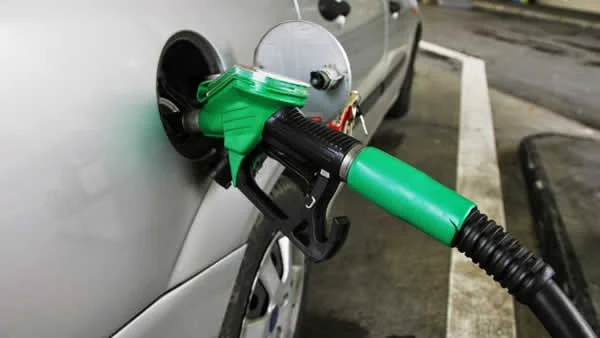

Private petroleum depots across Lagos and other strategic fuel trading centres have raised the ex-depot price of Premium Motor Spirit (petrol) to as high as ₦800 per litre, signalling renewed pressure on Nigeria’s downstream petroleum market. The sharp increase, which occurred within a span of 48 hours, has heightened fears among marketers and consumers that retail pump prices could rise in the coming days if the trend persists.
Data obtained from petroleumprice.ng on Friday showed that the average depot price of petrol climbed significantly across several facilities, tightening margins for marketers who rely on depot supplies and deepening uncertainty in the already volatile fuel market.
In Lagos, the Dangote Petroleum Refinery depot, which has consistently offered the lowest ex-depot prices in recent months, sold petrol at ₦703 per litre on Friday. This represented a slight increase from ₦702.50 recorded on Wednesday, December 31, 2025. While the adjustment at Dangote’s depot was marginal, other private depots implemented far steeper price hikes within the same period.
Eterna and Integrated depots raised their ex-depot prices to ₦800 per litre on Friday, up from ₦726 per litre earlier in the week at depots such as Shellplux and AIPEC. This reflected a sharp increase of about ₦74 per litre in less than two days. Similarly, Aiteo and Lister depots adjusted their prices to ₦780 per litre, compared with the ₦750–₦760 range recorded just days earlier.
The impact of the price increase was even more pronounced in Warri, one of Nigeria’s major petroleum logistics hubs. According to the report, Matrix Energy and other large depots in the area sold petrol at ₦800 per litre on Wednesday, with prices climbing further to as high as ₦805 per litre by Friday. Market operators attributed the quicker response in Warri to tighter supply conditions and higher transportation costs, particularly as marketers reposition volumes ahead of anticipated supply disruptions.
Related News

IEA Announces Record Release of 400 Million Barrels of Oil to Stabilize Markets Amid Iran War
The International Energy Agency (IEA) has announced the largest emergency oil release in its history, unlocking 400 million barrels from…

Petrol Price Could Reach ₦2,000 Per Litre If Middle East Conflict Persists – PETROAN
The Petroleum Products Retail Outlets Owners Association of Nigeria (PETROAN) has warned that petrol prices in Nigeria could surge to…

IPMAN Urges Federal Government to Cut Crude Oil Price for Dangote Refinery
The Independent Petroleum Marketers Association of Nigeria (IPMAN) has called on the Federal Government to reduce the cost of crude…
Industry analysts linked the sudden surge in depot prices to the temporary shutdown of the petrol processing unit at the Dangote Refinery. The refinery had recently emerged as a key domestic supplier of PMS, helping to moderate prices after the full deregulation of the downstream sector and the removal of fuel subsidies. Its reduced output has exposed the fragility of local supply dynamics, especially as imported petrol remains costly.
Recall that in December, the Dangote Petroleum Refinery announced a significant reduction in its petrol gantry price, cutting the ex-depot rate from ₦828 to ₦699 per litre, effective December 11, 2025. The move marked the refinery’s 20th price adjustment of the year and forced many private importers to sell below their landing costs.
Commenting on the latest development, the Chief Executive Officer of petroleumprice.ng, Jeremiah Olatide, said the recent price increase was a calculated response by importers attempting to recover losses incurred during December’s aggressive price cuts.
According to him, many importers were compelled to sell PMS below cost following Dangote’s price slash, leading to significant financial strain. He explained that depot operators are now factoring in potential supply tightness in January due to ongoing upgrades at the refinery, which could temporarily limit domestic supply.
Olatide added that some depot owners are deliberately holding back volumes in storage, anticipating higher prices if supply disruptions emerge. However, he cautioned that such strategies may be short-lived, noting that the Dangote Refinery could respond aggressively once operations normalise.
Additional pressure on fuel pricing has come from macroeconomic factors. Petroleumprice.ng noted that Brent crude closed at $60.20 per barrel on Friday, while the naira weakened further at the parallel market, trading around ₦1,495 to the dollar, compared with ₦1,475 earlier in the week. These factors have increased replacement costs for importers and depot operators alike.
Depot price movements typically precede changes at filling stations, and industry observers warn that sustained increases could push pump prices beyond ₦700 per litre in several cities. Marketers say rising logistics costs, financing challenges, and exchange-rate volatility have left little room to absorb higher depot prices without passing costs on to consumers.
Since the deregulation of Nigeria’s downstream petroleum sector, petrol prices have been determined largely by market forces, including crude oil prices, foreign exchange rates, logistics costs, and supply availability. While the 650,000-barrel-per-day Dangote Refinery raised expectations of price stability through local refining, its temporary shutdown has highlighted the ongoing vulnerability of Nigeria’s fuel supply chain.