Petrol Price Could Reach ₦2,000 Per Litre If Middle East Conflict Persists – PETROAN
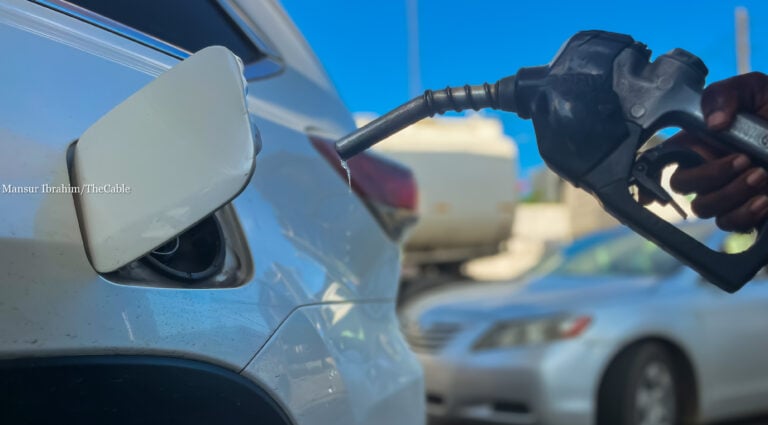

The Petroleum Products Retail Outlets Owners Association of Nigeria (PETROAN) has warned that petrol prices in Nigeria could climb to nearly ₦2,000 per litre if the ongoing geopolitical tensions in the Middle East continue to escalate.
The warning was issued by the association’s National President, Billy Gillis-Harry, in a statement released on Monday, where he highlighted the potential economic impact of the conflict involving United States, Israel, and Iran.
According to Gillis-Harry, the prolonged conflict could push the price of Premium Motor Spirit (PMS), commonly known as petrol, to about ₦2,000 per litre in Nigeria. He also warned that the price of Automotive Gas Oil (AGO), also known as diesel, could approach ₦3,000 per litre if global supply disruptions continue.
“PMS could rise close to ₦2,000 per litre while AGO may approach ₦3,000 per litre if the situation persists,” Gillis-Harry said.
The PETROAN president explained that the lack of a clear end to the Middle East conflict has created uncertainty in global petroleum markets. As a result, both international and domestic prices of petroleum products could increase sharply in the coming days.
He noted that sustained drone and missile attacks in the region are threatening major oil routes and energy infrastructure, which could disrupt supply chains and push global crude oil prices even higher.
Indeed, global crude oil prices recently surged past $100 per barrel, marking one of the highest levels recorded since mid-2022. Analysts say such spikes typically translate into higher fuel costs for countries that depend heavily on imported petroleum products.
To mitigate the potential economic fallout, Gillis-Harry called on Bayo Ojulari, Group Chief Executive Officer of Nigerian National Petroleum Company Limited (NNPC Ltd), to accelerate the revival and operation of Nigeria’s government-owned refineries.
Related News
IEA Announces Record Release of 400 Million Barrels of Oil to Stabilize Markets Amid Iran War
The International Energy Agency (IEA) has announced the largest emergency oil release in its history, unlocking 400 million barrels from…

Iran Warns US Tech Giants Like Google, Amazon Could Become “Legitimate Targets” in Expanding Regional War
Authorities in Iran have warned that infrastructure linked to major American technology companies may become “legitimate targets” as the regional…

DSS Tells Court Kaduna Man’s Tweets Could Drag Nigeria into Israel–Iran Conflict
Nigeria’s domestic intelligence agency, the Department of State Services (DSS), has told a court that social media posts allegedly made…
He specifically urged authorities to ensure the immediate commencement of production at facilities such as the Area 5 plant at the Port Harcourt Refinery and the Warri Refinery.
According to him, restoring local refining capacity is crucial for reducing Nigeria’s exposure to volatile global oil markets.
“Revamping Nigeria’s refineries for immediate domestic production is critical,” he said.
Gillis-Harry added that domestically refined fuel could help stabilize supply and reduce dependence on imported petroleum products, particularly during periods of international market disruptions.
He also noted that government-owned refineries may be less vulnerable to supply shocks compared to privately operated facilities that rely on imported crude oil or international feedstock arrangements.
The PETROAN president warned that continued increases in fuel prices could have widespread consequences for Nigeria’s economy.
According to him, higher petrol and diesel costs would likely worsen inflation, increase transportation expenses, disrupt industrial activities, and push up the prices of goods and services across the country.
“PMS remains essential for daily mobility, while AGO is vital for manufacturing and industrial operations,” he said.
He stressed that the economic ripple effects of higher fuel costs could lead to job losses and deepen financial hardship for many Nigerians already struggling with rising living costs.
Despite the concerns, Gillis-Harry expressed optimism that ongoing economic reforms under the administration of Bola Ahmed Tinubu could eventually bring relief and stimulate economic growth in the long term.
As global tensions continue to shape the energy market, industry stakeholders are urging Nigerian authorities to prioritise domestic refining and energy security measures to shield the country from the full impact of international oil price shocks.