Nigeria Enters a New Fuel Era as First Unmanned 24-Hour Filling Stations Launch Nationwide
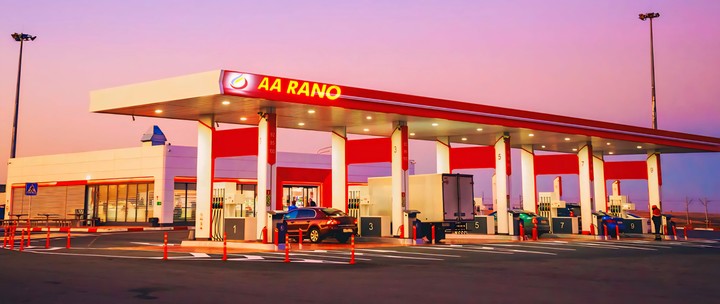

Nigeria has officially joined the growing list of countries adopting automated fuel retail systems following the launch of its first unmanned, 24-hour fuel stations. The initiative, pioneered by A.A. Rano Nigeria Limited, represents a major technological leap for the nation’s downstream oil and gas sector, which has long struggled with inefficiencies, distrust, and operational losses.
A.A. Rano Nigeria Limited, founded by prominent oil magnate Alhaji Auwalu Abdullahi Rano, announced the development in partnership with Petrosoft Limited, a Nigerian technology company known for building enterprise management systems for the oil and gas industry. Under the agreement, Petrosoft will deploy its SmartPump and automated station technology across more than 200 A.A. Rano retail outlets nationwide.
According to a statement issued on Tuesday, January 6, 2026, the first set of unmanned stations is expected to commence operations before the end of January. These stations will allow motorists to refuel at any time of day without the presence of pump attendants. Customers will select the quantity of fuel they wish to purchase, make digital or contactless payments, and dispense fuel automatically, with the system stopping precisely at the paid volume.
Company officials say the move is designed to address some of the most persistent complaints in Nigeria’s fuel market—particularly issues around under-dispensing, human error, and revenue leakages. By removing manual handling from the dispensing process, the automated system is expected to improve accuracy, enhance transparency, and restore customer confidence.
Related News
IEA Announces Record Release of 400 Million Barrels of Oil to Stabilize Markets Amid Iran War
The International Energy Agency (IEA) has announced the largest emergency oil release in its history, unlocking 400 million barrels from…
Petrol Price Could Reach ₦2,000 Per Litre If Middle East Conflict Persists – PETROAN
The Petroleum Products Retail Outlets Owners Association of Nigeria (PETROAN) has warned that petrol prices in Nigeria could surge to…

IPMAN Urges Federal Government to Cut Crude Oil Price for Dangote Refinery
The Independent Petroleum Marketers Association of Nigeria (IPMAN) has called on the Federal Government to reduce the cost of crude…
A.A. Rano described the project as part of a broader strategy to modernise fuel retailing and align operations with global best practices. The company noted that automation would also improve operational efficiency, reduce overhead costs, and provide better data for monitoring fuel distribution across its network.
Petrosoft Limited’s Chief Executive Officer, Dr. Joshua Denila, emphasised the significance of the project for Nigeria’s technology ecosystem. He stated that the initiative demonstrates how homegrown solutions can effectively tackle long-standing structural problems in key sectors of the economy.
“Our systems are developed locally and built to international standards,” Denila said. “They are designed to improve efficiency from single stations to large fuelling depots, while ensuring transparency, accountability, and reliability.”
While the development has been widely praised as innovative and long overdue, it has also sparked intense public debate. Supporters argue that unmanned fuel stations will eliminate common issues such as fuel manipulation, long queues, and limited operating hours—especially benefiting night travellers and emergency users. Comparisons have also been drawn with the introduction of Automated Teller Machines (ATMs), which initially faced skepticism but eventually became indispensable.
However, critics have raised concerns about potential job losses, security risks, and system abuse in a country grappling with high unemployment and infrastructure challenges. Others worry about vandalism, hacking, or delayed responses to technical failures, particularly in remote areas.
Industry analysts note that while automation may reduce the need for pump attendants, it is also likely to create new demand for skilled workers in areas such as system maintenance, cybersecurity, surveillance, and technical support. They argue that the shift reflects a broader global trend where technology reshapes jobs rather than eliminating work entirely.
As Nigeria continues to reform its oil and gas sector, the success or failure of A.A. Rano’s unmanned stations could influence how quickly other marketers adopt similar technologies. If effectively implemented and secured, the project may redefine fuel retailing in Nigeria and set a new standard for efficiency, transparency, and consumer trust.