Petrol May Rise to ₦1,000 Per Litre as Global Crude Oil Prices Cross $70 — Marketers Warn
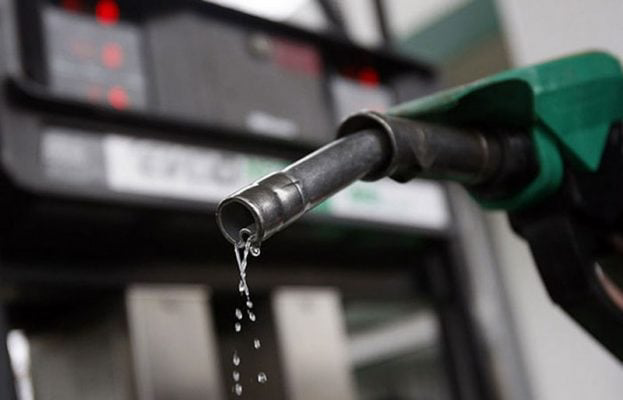

The pump price of Premium Motor Spirit (PMS), commonly known as petrol, may soon approach ₦1,000 per litre in parts of Nigeria following a sharp rise in global crude oil prices, fuel marketers have cautioned. According to industry operators, the recent surge of crude oil prices above $70 per barrel on the international market is already exerting pressure on the domestic fuel supply chain, with implications for retail prices nationwide.
Market data shows that Brent crude, the global benchmark, recently climbed above $70 per barrel for the first time in several months, while West Texas Intermediate (WTI) also recorded significant gains. Analysts attribute the price spike largely to escalating geopolitical tensions in the Middle East, particularly fears that conflict involving Iran could disrupt oil supplies, including shipments through the Strait of Hormuz, a critical global oil transit route.
In Nigeria, the impact of rising crude prices is already being felt. Earlier this week, the Dangote Petroleum Refinery increased its petrol gantry price, with reports indicating adjustments from ₦699 to ₦799 per litre, following the withdrawal of temporary price support offered during the festive period. Retail pump prices subsequently rose across several states, especially in Lagos, where petrol now sells between ₦830 and ₦859 per litre at many filling stations.
Related News

IEA Announces Record Release of 400 Million Barrels of Oil to Stabilize Markets Amid Iran War
The International Energy Agency (IEA) has announced the largest emergency oil release in its history, unlocking 400 million barrels from…

Petrol Price Could Reach ₦2,000 Per Litre If Middle East Conflict Persists – PETROAN
The Petroleum Products Retail Outlets Owners Association of Nigeria (PETROAN) has warned that petrol prices in Nigeria could surge to…
IPMAN Urges Federal Government to Cut Crude Oil Price for Dangote Refinery
The Independent Petroleum Marketers Association of Nigeria (IPMAN) has called on the Federal Government to reduce the cost of crude…
The National Publicity Secretary of the Independent Petroleum Marketers Association of Nigeria (IPMAN), Chinedu Ukadike, said the trajectory of crude oil prices remains a key determinant of domestic petrol prices, even with increased local refining capacity. He explained that crude oil costs and exchange rate movements directly influence the final pump price of petroleum products.
Ukadike warned that if the current upward trend in crude prices persists, petrol could sell for as much as ₦1,000 per litre, particularly in areas far from refineries or major fuel depots where transportation costs further inflate prices. He noted that while marketers do not favour price increases, prevailing market forces make higher prices increasingly difficult to avoid.
According to marketers, the rising cost of petrol is also affecting consumer behaviour. Many Nigerians, they say, are now reducing fuel consumption as prices climb, leading to slower sales volumes compared to the festive period when prices were relatively lower. Marketers also reported increased pressure on their purchasing power, as higher prices require significantly more capital to lift the same volume of fuel.
Some industry players have argued that even with local refining through the Dangote Refinery, Nigeria is not insulated from global price movements. They note that crude oil used by local refineries is still priced at international market rates, while operational costs, maintenance, staffing, and logistics also contribute to overall fuel pricing. As a result, fluctuations in crude prices continue to pass through the value chain.
Meanwhile, the Dangote Petroleum Refinery has reaffirmed its ability to meet and exceed Nigeria’s domestic fuel demand. In a recent statement, the refinery said it could supply up to 75 million litres of petrol daily, well above the country’s estimated daily consumption of 50 million litres. It also highlighted its capacity to supply diesel and aviation fuel in volumes exceeding domestic demand, arguing that this surplus enhances supply security and reduces reliance on imports.
Despite these assurances, public reactions have remained sharply divided. While some Nigerians believe that local refining should eventually stabilize prices, others argue that fuel costs remain unreasonably high given Nigeria’s status as an oil-producing country. Online discussions have reflected frustration, skepticism toward marketers’ warnings, and broader anger over the rising cost of living.
As global oil markets remain volatile, uncertainty continues to surround the future direction of petrol prices in Nigeria. Industry analysts suggest that unless crude prices retreat or significant policy interventions occur, consumers may face further increases in fuel costs in the weeks ahead, deepening economic pressures on households and businesses alike.