Trump Says U.S. Coordinated With Nigerian Government on Christmas Day Strikes Against ISIS
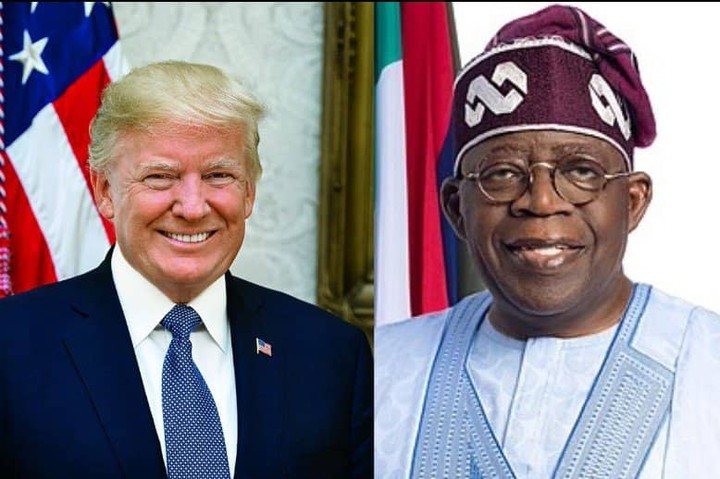

United States President Donald Trump has disclosed that American forces collaborated with the Nigerian government to carry out coordinated strikes against ISIS-linked targets on Christmas Day, signaling deepening military cooperation between Washington and Abuja in the fight against terrorism.
Trump made the revelation during a recent statement, confirming that the operation was conducted with the knowledge and involvement of Nigerian authorities. While specific details of the strikes, including locations and casualty figures, were not immediately released, the announcement has drawn attention to the growing partnership between the two nations in tackling extremist groups operating across parts of Nigeria and the wider West African region.
The disclosure comes amid ongoing security challenges in Nigeria, particularly in northern and central regions where armed groups linked to extremist ideologies have continued to launch attacks on communities, security personnel, and infrastructure. Over the years, Nigerian authorities have sought increased intelligence sharing, military support, and strategic collaboration with international partners to counter insurgency and terrorism.
Security analysts say cooperation between Nigeria and the United States has evolved significantly in recent years, especially in intelligence gathering, surveillance, and targeted operations against high-value extremist targets. Joint efforts often include information sharing, training support, and occasional coordinated strikes aimed at disrupting the operations of terrorist networks.
Related News

DSS Tells Court Kaduna Man’s Tweets Could Drag Nigeria into Israel–Iran Conflict
Nigeria’s domestic intelligence agency, the Department of State Services (DSS), has told a court that social media posts allegedly made…
Nigeria Begins Evacuation of Citizens from Iran Amid Escalating Middle East Conflict
The Nigerian government has started evacuating its citizens from Iran as tensions in the Middle East intensify.

Nigeria Surpasses India in Number of People Living in Poverty – Report
New data shared by Statisense suggests that Nigeria now has a higher number of people living below the poverty line…
Trump’s statement suggests that the Christmas Day operation was one such coordinated effort, underscoring the importance of international collaboration in combating transnational terrorism. Experts note that groups affiliated with ISIS have increasingly expanded their activities across parts of West Africa, exploiting porous borders and remote terrain to establish operational bases.
Although Nigerian officials have yet to release a comprehensive briefing on the reported strikes, security observers believe the operation may have targeted strategic locations linked to extremist planning and logistics. Such operations typically rely on intelligence gathered through joint surveillance and local security networks.
The revelation has sparked mixed reactions among Nigerians, with some welcoming the reported cooperation as a necessary step toward improving national security. Others have called for greater transparency from the government regarding the nature of foreign military involvement in domestic security operations, as well as clearer communication about outcomes and long-term strategies.
Defence experts emphasise that while targeted strikes can disrupt terrorist networks, sustained success requires a broader approach that includes intelligence-driven policing, community engagement, economic stabilisation, and efforts to address underlying grievances that fuel radicalisation.
Nigeria has long faced security challenges from various armed groups, including insurgents, bandits, and extremist factions. As these threats evolve, partnerships with international allies continue to play a role in shaping counterterrorism strategies and operational responses.
Trump’s confirmation of joint Christmas Day strikes highlights the increasing reliance on cross-border cooperation in confronting terrorism. Observers say the effectiveness of such partnerships will ultimately depend on continued coordination, transparency, and the ability of Nigerian security agencies to maintain pressure on extremist networks within the country.
Authorities are expected to provide further details on the collaboration and its impact as security operations continue across affected regions.