Ndume Backs Renewed U.S. Airstrikes Against Insurgents in North-East Nigeria
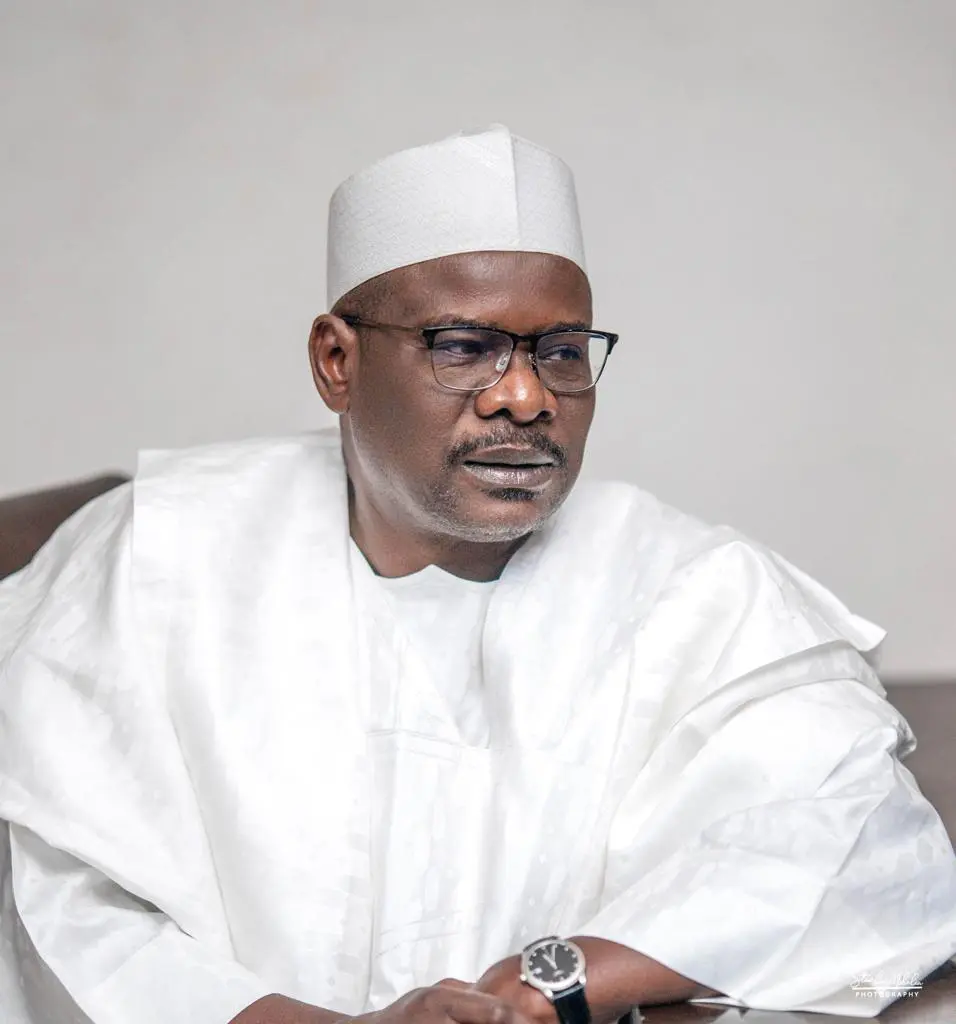

Senator Ali Ndume has reiterated his support for renewed United States military airstrikes targeting insurgent groups operating in parts of North-East Nigeria, particularly within his Borno South constituency. The lawmaker made the remarks during an appearance on a televised political programme, where he spoke on the security challenges facing communities in the region.
Ndume explained that his position is driven by the prolonged presence of insurgent groups, especially Boko Haram, in communities located around the Mandara Mountains and other parts of southern Borno State. According to him, insurgent activities in the region have persisted for over a decade, forcing residents to abandon homes, farmlands, and livelihoods.
The senator stated that sustained and coordinated military offensives are required to dismantle insurgent strongholds and restore stability. He argued that communities affected by the conflict would welcome international support, including direct military intervention from the United States, if it would help end the insecurity that has disrupted daily life for years.
His comments referenced earlier U.S. military operations conducted during the administration of former U.S. President Donald Trump, which reportedly targeted insurgent positions in parts of the North-East. Ndume said such actions should be sustained and intensified to ensure lasting security in the region.
Related News

DSS Tells Court Kaduna Man’s Tweets Could Drag Nigeria into Israel–Iran Conflict
Nigeria’s domestic intelligence agency, the Department of State Services (DSS), has told a court that social media posts allegedly made…
Nigeria Begins Evacuation of Citizens from Iran Amid Escalating Middle East Conflict
The Nigerian government has started evacuating its citizens from Iran as tensions in the Middle East intensify.

Nigeria Surpasses India in Number of People Living in Poverty – Report
New data shared by Statisense suggests that Nigeria now has a higher number of people living below the poverty line…
The lawmaker noted that many residents of Gwoza and surrounding areas remain displaced due to ongoing threats from insurgent groups. He said numerous families are still living in internally displaced persons (IDP) camps, unable to return to their communities due to fear of attacks. Some residents, he added, continue to farm or live near mountainous areas but are frequently forced to flee during insurgent raids.
Ndume expressed personal concern about the security situation, revealing that he has been unable to visit his own village for several years due to safety risks. He explained that even under heavy security escort, travelling within certain parts of his constituency remains dangerous.
According to him, communities affected by insurgency are increasingly desperate for decisive action that would allow displaced persons to return home and resume normal life. He emphasised that his call for foreign military support reflects the frustrations of residents who have endured years of violence, abductions, and economic hardship.
The senator also suggested that local residents would be open to hosting foreign troops if it meant restoring peace. He indicated that communities would support the presence of international forces operating in collaboration with Nigerian security agencies to eliminate insurgent threats.
Security challenges in Nigeria’s North-East have persisted since the emergence of Boko Haram over a decade ago, with military operations by Nigerian forces and regional partners ongoing. Despite gains made by security agencies, sporadic attacks and insurgent activities continue to affect parts of Borno and neighbouring states.
Ndume’s comments have sparked renewed public discussion on the role of foreign military involvement in Nigeria’s internal security operations. While some analysts argue that international cooperation could strengthen counter-insurgency efforts, others caution that foreign military intervention must be carefully managed to protect national sovereignty and avoid unintended consequences.
Security experts note that long-term stability in the region will likely require a combination of sustained military operations, intelligence sharing, humanitarian support, and economic reconstruction to address the root causes of insurgency and displacement.
As insecurity continues to affect communities across the North-East, calls for more decisive action from both national and international actors remain central to ongoing debates on how best to restore peace and rebuild affected areas.