China to Remove Tariffs on Most African Imports Starting May 1, Says Xi Jinping
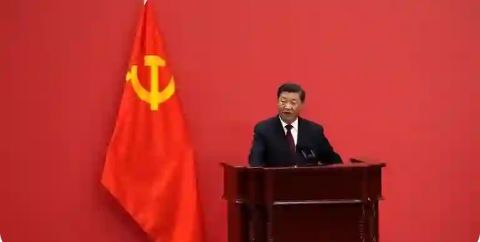

Chinese President Xi Jinping has confirmed that China will remove tariffs on imports from almost all African nations starting May 1, a policy expected to reshape trade relations between the Asian economic powerhouse and the African continent. According to state media reports, the zero-tariff measure will apply to every African country that maintains diplomatic ties with Beijing, with the sole exception of Eswatini, which continues to recognize Taiwan.
The announcement marks a significant expansion of China’s existing trade policy toward Africa. Prior to this development, China already offered zero-tariff access to imports from 33 African countries. However, Beijing indicated last year that it intended to extend the benefits to all 53 African nations with which it has diplomatic relations. With the new policy set to take effect in May, China will effectively provide tariff-free entry for exports from 52 African countries into its vast domestic market.
China has remained Africa’s largest trading partner for more than aChina, Africa Trade, Xi Jinping, Tariffs, Belt and Road, Global Economy, African Union decade, with trade between the two regions covering sectors such as infrastructure, energy, agriculture, and manufacturing. Beijing has also funded major infrastructure projects across Africa under its global development framework, providing loans and technical expertise for railways, roads, ports, and energy facilities.
Related News

FCT Women Turn Private Cars into Commercial Taxis Amid Rising Cost of Living
Growing economic pressure in Nigeria’s capital, Federal Capital Territory, is pushing many women to convert their private cars into informal…

Rights Group Accuses Police of Judicial Persecution Over Remand of Blogger Maureen Badejo
The Committee for the Defence of Human Rights (CDHR) has accused the Nigeria Police Force of engaging in judicial persecution…

Enugu Government Declares 90-Day Amnesty for Buildings Without Approved Plans
The Enugu State Government has introduced a 90-day amnesty period for property owners whose buildings lack approved plans, offering them…
Announcing the tariff removal timeline, Xi stated that the policy “will undoubtedly provide new opportunities for African development,” highlighting Beijing’s continued interest in strengthening economic cooperation with African nations. The statement was delivered as African leaders gathered in Ethiopia for the annual summit of the African Union, where economic partnerships and trade remain key priorities for the continent.
The move comes amid shifting global trade dynamics. Many African countries have been exploring alternative trade relationships and partnerships in recent years, especially after the United States, under former President Donald Trump, imposed a series of steep tariffs on imports from multiple countries worldwide. Those measures prompted several economies to seek expanded access to new markets and trading partners.
Analysts say China’s decision to eliminate tariffs on African imports could increase export volumes from African economies by making their goods more competitive in the Chinese market. Products such as agricultural produce, raw materials, textiles, and manufactured goods are expected to benefit from the zero-tariff policy, potentially boosting industrial growth and foreign exchange earnings for participating countries.
However, the broader implications of the policy will depend largely on African nations’ ability to scale production and meet export standards required for entry into the Chinese market. While tariff removal reduces trade barriers, structural challenges—including logistics, manufacturing capacity, and regulatory alignment—may still affect how much African exporters can take advantage of the opportunity.
China’s growing economic engagement across Africa has drawn mixed reactions over the years. Supporters view Beijing as a vital development partner offering investment, financing, and market access without the political conditions often associated with Western aid. Critics, however, warn about debt sustainability, trade imbalances, and the long-term impact of resource-driven agreements.
Despite differing opinions, China’s latest tariff decision signals a continued deepening of economic ties between Beijing and African nations. As the May 1 implementation date approaches, governments and businesses across the continent are expected to assess how best to leverage expanded access to one of the world’s largest consumer markets.