Ramadan and Lent Commence Simultaneously as Muslims and Christians Begin Sacred Observances
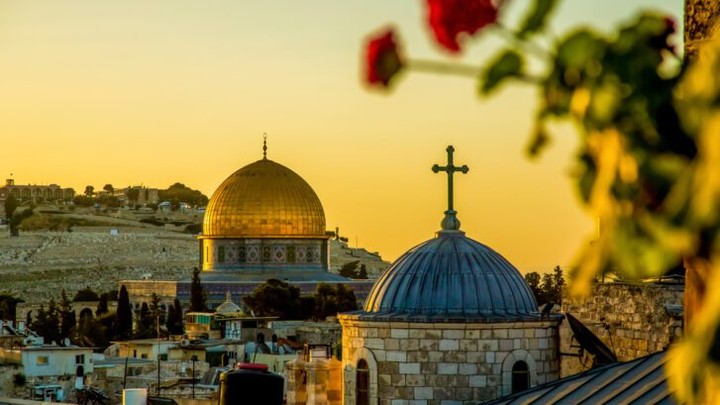

Muslims in Nigeria have commenced the 2026 Ramadan fasting period following the official confirmation of the crescent moon sighting by the leadership of the Nigerian Muslim community. The announcement marks the beginning of Ramadan 1447AH, a sacred month dedicated to fasting, prayer, charity, and spiritual reflection.
The President-General of the Nigerian Supreme Council for Islamic Affairs (NSCIA), Muhammad Sa’ad Abubakar III, confirmed the development after verified reports of moon sightings were received from multiple locations across the country. The Sultanate Council stated that the reports were carefully authenticated before the official declaration was made.
According to a statement issued by the Chairman of the Advisory Committee on Religious Affairs of the Sultanate Council, Sambo Junaidu, the Sultan accepted the sighting of the new crescent after due verification. Represented by Shehu Abubakar Ibn Garbai El-Kanemi, the Shehu of Borno, the Sultan announced that Wednesday, February 18, 2026, marks the first day of Ramadan.
Ramadan is one of the five pillars of Islam and requires adult Muslims to fast from dawn until sunset throughout the month. The fast includes abstaining from food, drink, and other physical needs during daylight hours, while also emphasizing self-discipline, compassion, and increased devotion to prayer and charitable acts. The period is widely regarded as a time for spiritual renewal and communal unity among Muslims.
Related News
Femi Otedola Joins Aliko Dangote and Family for Iftar in Abu Dhabi
Nigerian billionaire businessman Femi Otedola was pictured alongside Africa’s richest man, Aliko Dangote, and members of his family during an…
Ramadan 2026: Sultan of Sokoto Urges Muslims to Begin Crescent Moon Search Across Nigeria
The Sultan of Sokoto has called on Muslims across Nigeria to begin searching for the crescent moon that will signal…
Tinubu Meets Sultan of Sokoto Amid Rising Religious Tensions and U.S. Scrutiny
President Bola Tinubu met with the Sultan of Sokoto, Alhaji Muhammad Sa’ad Abubakar III, at the Presidential Villa in Abuja…
Coinciding with the start of Ramadan this year is the beginning of the Christian Lenten season, which also commenced on Wednesday with the observance of Ash Wednesday among Catholic faithful and many other Christian denominations. Lent is a 40-day period of fasting, repentance, and reflection leading up to Easter, commemorating the resurrection of Jesus Christ.
For Christians, Lent represents a time of spiritual preparation marked by personal sacrifice, prayer, and acts of kindness. Many adherents choose to abstain from certain foods, habits, or luxuries as part of their observance, using the period to focus on personal growth and deeper faith.
The simultaneous commencement of Ramadan and Lent has drawn attention across the country, with religious leaders and citizens highlighting the significance of both faith communities observing sacred seasons at the same time. Observers note that such overlap provides an opportunity for increased interfaith understanding and mutual respect in a multi-religious society like Nigeria.
Some citizens have described the coincidence as symbolic, emphasizing the shared values of discipline, charity, humility, and prayer present in both traditions. Religious leaders have also used the moment to encourage peaceful coexistence and unity among Nigerians, particularly amid ongoing social and economic challenges.
In addition to spiritual reflection, both Ramadan and Lent traditionally inspire acts of generosity and community support. During Ramadan, Muslims often engage in charitable giving and provide meals for those in need, especially at sunset when the daily fast is broken. Similarly, Christians observing Lent frequently participate in almsgiving and community outreach initiatives.
Security agencies and community leaders have also called for calm and vigilance during the period, urging citizens to respect religious practices and maintain harmony. Markets and religious centers across the country are expected to experience increased activity as worshippers gather for prayers, charity events, and communal observances.
As the holy periods begin, millions of Nigerians across both faiths are expected to dedicate the coming weeks to spiritual renewal, reflection, and service to others, reinforcing the role of religion as a central part of national and community life.