Hard Drugs and the Slow Destruction of a Friendship
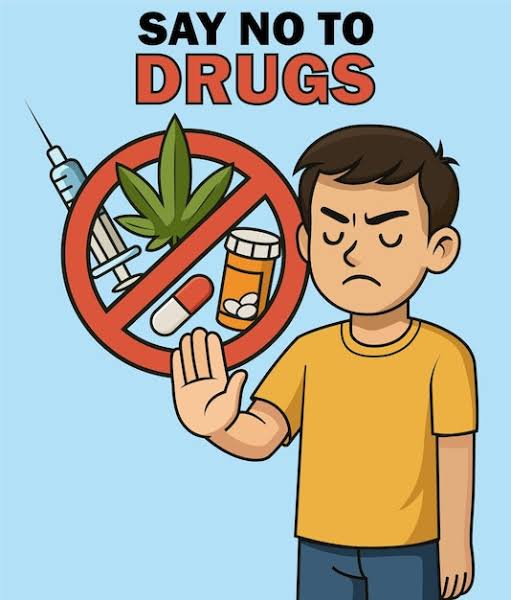

A social media user has opened up about the painful experience of watching a close childhood friend descend into drug addiction, describing how the situation ultimately led to the collapse of their once-strong bond.
According to the narrator, he and his friend had been inseparable during their primary school years. They were regarded as best friends and shared the kind of easy companionship that often defines childhood. However, life took them in different directions after secondary school when they gained admission into separate higher institutions.
It was during university holidays that he began noticing subtle but troubling changes. His friend, once physically robust and lively, appeared increasingly thin and withdrawn. At first, the transformation seemed puzzling. The narrator emphasized that financial hardship was not the issue, as his friend came from a supportive family that ensured he lacked nothing while in school.
Over time, the changes became more pronounced. By 2019, after graduation, the situation had worsened considerably. What may have started privately had become public. The friend no longer concealed his smoking habits and was reportedly seen using substances openly on the streets.
Concerned, the narrator, alongside the young man’s siblings, attempted to intervene. They offered advice and warned him about the damaging physical and mental effects of drug use. However, their efforts appeared to yield no results. Every conversation, he said, seemed to fall on deaf ears.
Related News

OAU Scientists Achieve Landmark Breakthrough in Global Malaria Drug Research
A Nigerian-led research team at Obafemi Awolowo University has recorded a major milestone in malaria drug discovery by determining and…

300-Bed Enugu International Hospital Approaches Completion Amid Public Reactions
Construction of the 300-bed Enugu International Hospital is nearing completion, with officials and residents expressing optimism that the facility will…

WHO and FCDO Commend Governor Mbah’s Bold Reforms in Enugu’s Health Sector
The World Health Organization (WHO) and the UK’s Foreign, Commonwealth and Development Office (FCDO) have praised Governor Peter Mbah of…
The breaking point in their friendship came when the addicted friend allegedly attempted to persuade him to start smoking as well. That moment triggered alarm. Fearing both reputational damage and personal compromise, he decided to distance himself. The popular saying, “Show me your friend and I will tell you who you are,” weighed heavily on his mind.
Years later, during a visit to his father’s home, he encountered his former friend again. This time, the deterioration was unmistakable. He described him as unkempt and associating with street groups. Rather than engage, he simply waved and continued on his way — a quiet but symbolic end to what had once been a meaningful relationship.
The story generated mixed reactions online. Some commenters applauded the narrator for protecting himself and refusing to be influenced. Others argued that addiction is a complex health issue that requires structured intervention rather than avoidance.
One commenter stressed that lasting recovery often begins when the individual personally recognizes the damage being done and chooses to seek help. Another highlighted the importance of rehabilitation centers, environmental change, and sustained support systems in breaking cycles of addiction.
Some contributors debated whether certain substances, such as cannabis, should be classified alongside harder narcotics. Others shared personal testimonies of friends or acquaintances whose lives were severely disrupted by drug abuse, including financial ruin, mental instability, and social isolation.
Public health experts consistently emphasize that substance abuse can have wide-ranging consequences. These include mental health disorders, memory impairment, social withdrawal, financial instability, and strained family relationships. In severe cases, addiction can lead to homelessness or criminal involvement.
However, specialists also note that recovery is possible. With medical supervision, counseling, family support, and structured rehabilitation programs, individuals struggling with addiction can regain stability. Early intervention significantly improves outcomes.
The narrator concluded his account with a clear message: a call for young people to avoid hard drugs entirely. His experience, he said, serves as a cautionary tale about how quickly experimentation can escalate into dependency — and how addiction can erode friendships, dignity, and long-term potential.
While opinions differed in the discussion thread, one theme remained consistent: substance abuse carries risks that extend beyond the individual user, affecting families, friendships, and entire communities.