Oluremi Tinubu Urges Nigerians to Reject ‘Entitlement Mentality,’ Calls for Responsibility and National Unity
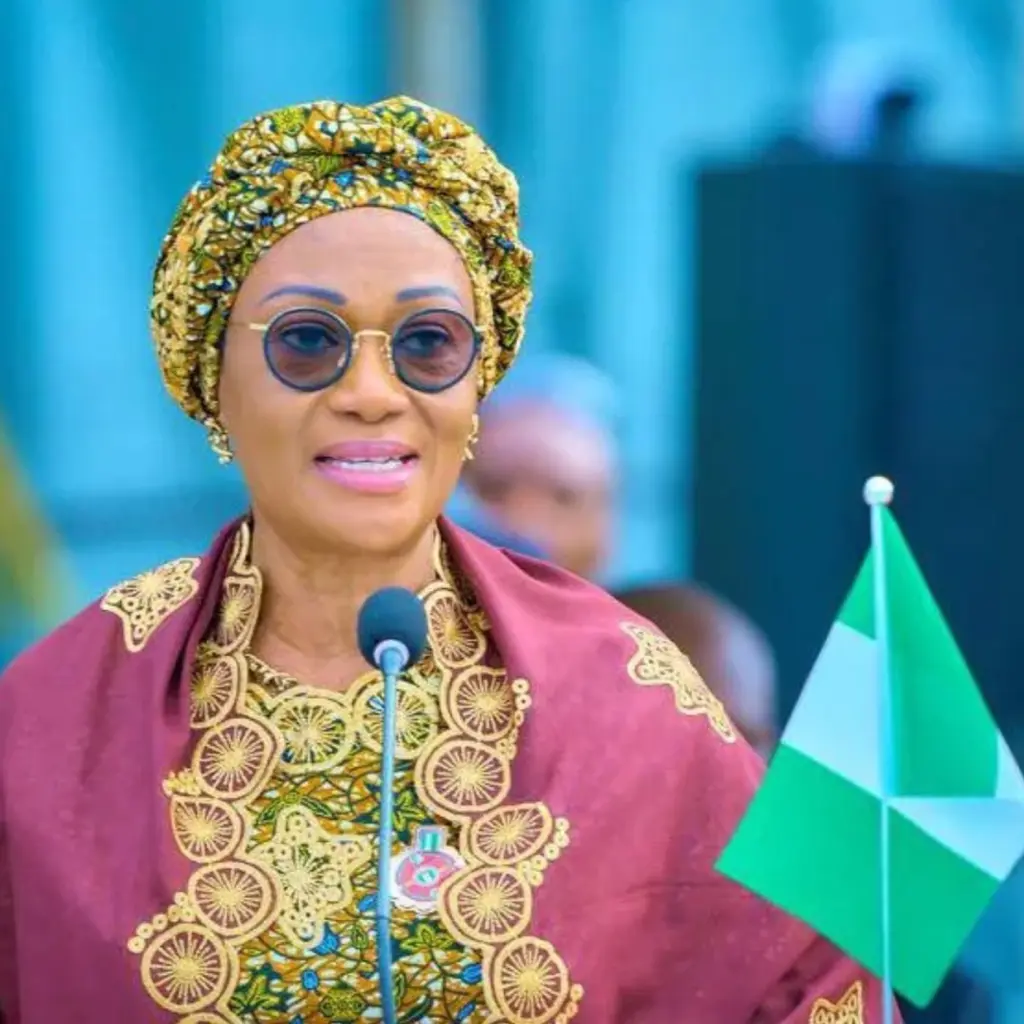

Nigeria’s First Lady, Oluremi Tinubu, has urged Nigerians to move away from what she described as an “entitlement mentality,” encouraging citizens to embrace responsibility, integrity, and service in their personal and professional lives.
The First Lady made the remarks during an interfaith breaking of fast gathering that brought together women from various sectors of society. The event was organized to mark the overlapping observance of the Muslim Ramadan fast and the Christian Lenten season, which she described as a symbolic moment for unity and reflection in the country.
Details of the event were contained in a statement issued on Thursday by her Senior Special Assistant on Media, Busola Kukoyi.
Speaking at the gathering, Senator Tinubu emphasized that the coincidence of the Muslim and Christian fasting periods offered a powerful reminder of Nigeria’s shared values and the possibility of peaceful coexistence among people of different faiths.
According to her, the simultaneous observance of Ramadan and Lent should serve as a message of unity for Nigerians, particularly at a time when the country faces social and political tensions.
“Today is indeed a great day,” she said. “It is a day that God made for us to gather together, especially women from different backgrounds. Since the Ramadan fast and the Lenten season began around the same time, it feels like God is speaking to us as a nation.”
She noted that although there have been attempts in some quarters to frame national issues along religious lines, Nigerians historically have maintained a tradition of peaceful coexistence despite differences in faith.
The First Lady said many families across the country include members from different religious backgrounds, demonstrating that mutual respect and understanding can overcome potential divisions.
Drawing from her personal experience, she referenced her long-standing marriage to Nigeria’s president, Bola Ahmed Tinubu, as an example of how respect and maturity can sustain relationships across different beliefs and perspectives.
She revealed that in nearly four decades of marriage, disagreements between them had rarely escalated into serious conflicts.
Related News

DSS Tells Court Kaduna Man’s Tweets Could Drag Nigeria into Israel–Iran Conflict
Nigeria’s domestic intelligence agency, the Department of State Services (DSS), has told a court that social media posts allegedly made…

Nigeria Begins Evacuation of Citizens from Iran Amid Escalating Middle East Conflict
The Nigerian government has started evacuating its citizens from Iran as tensions in the Middle East intensify.

Nigeria Surpasses India in Number of People Living in Poverty – Report
New data shared by Statisense suggests that Nigeria now has a higher number of people living below the poverty line…
“I cannot remember when both of us raised our voices at each other, maybe not more than twice in almost 40 years,” she said. “We have always tried to remain mature and respectful in our relationship, and I believe that is the best way for people to live together.”
Beyond family and religious harmony, the First Lady used the occasion to address what she described as a growing culture of entitlement in society.
She urged Nigerians to shift their mindset from expecting benefits without contribution, emphasizing the importance of individual responsibility in national development.
According to her, citizens must focus on playing their part in building stronger communities and institutions rather than relying solely on government support.
She also addressed women whose spouses hold political offices as well as women occupying leadership roles themselves, urging them to recognize their influence in shaping governance and public values.
“Most women in this room either have their own offices or have husbands in public service,” she said. “As wives and leaders, you have roles to play in encouraging responsibility and accountability.”
Tinubu further stressed the importance of mentoring younger generations, noting that the country’s future depends largely on the values and guidance passed down to its youth.
She encouraged women to take active roles in nurturing young people, helping them develop character, discipline, and a commitment to national progress.
The event also featured a lecture delivered by Professor Ganiyat Adejoke Adesina-Uthman of the National Open University of Nigeria.
In her presentation titled “Serving with Excellence, Compassion and Integrity in Public Life,” the academic highlighted what she described as a growing crisis of trust in public institutions.
She stressed that integrity remains a fundamental requirement for anyone serving in public office and urged leaders to prioritize ethical conduct in their duties.
Professor Adesina-Uthman argued that rebuilding public confidence in governance requires a renewed commitment to transparency, accountability, and compassion in leadership.
The interfaith event concluded with calls for continued dialogue, cooperation, and unity among Nigerians of different backgrounds as the country navigates its social and political challenges.