Nigeria Moves to Modernise Air Defence Systems Amid Growing Security Concerns
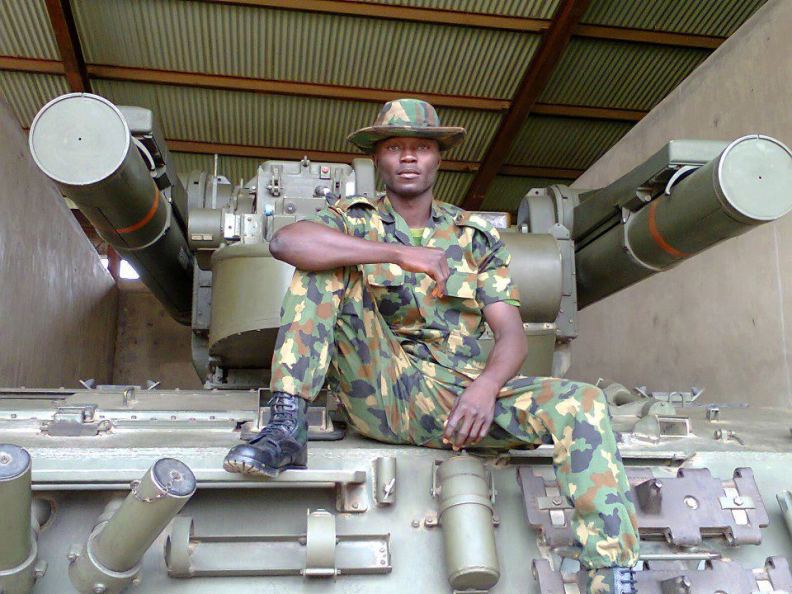

Nigeria is taking steps to modernise its air defence capabilities as part of broader efforts to strengthen national security and improve surveillance across its airspace. The initiative forms part of the Military Total Radar Coverage of Nigeria (MTRACON) project, designed to create an integrated radar network capable of detecting and responding to aerial threats in real time.
The country’s air defence architecture dates back largely to the late 1970s and early 1980s, when Nigeria’s military government invested heavily in defence infrastructure and equipment. During that period, several air defence platforms were procured to protect key national assets such as dams, airports, and military installations.
One of the notable systems acquired during that era was the Roland Air Defence System. The missile-based system, mounted on an armoured vehicle and equipped with radar guidance, was deployed to safeguard strategic facilities including the Kainji Dam, which at the time was Nigeria’s largest power generation facility.
Another important component of Nigeria’s air defence network was the ZSU-23-4 Shilka, a radar-guided anti-aircraft system mounted on a tracked vehicle and equipped with four 23mm cannons designed to engage low-flying aircraft.
These systems were complemented by other platforms such as the Oerlikon GDF 35mm Anti-Aircraft Gun paired with the Skyguard fire-control radar, which provided additional protection for military bases and important infrastructure.
Nigeria’s naval capabilities also included anti-air defence systems. The country’s flagship warship, NNS Aradu (F89), was equipped with Aspide Missile System designed to intercept airborne threats such as aircraft and missiles during naval operations.
In addition, portable systems such as the Strela-2 man-portable air defence missile were acquired to allow ground troops to engage enemy aircraft at short ranges.
However, many of these systems are now considered outdated when compared with modern air defence technologies capable of countering advanced threats such as cruise missiles, stealth aircraft, and unmanned aerial vehicles.
Related News

DSS Tells Court Kaduna Man’s Tweets Could Drag Nigeria into Israel–Iran Conflict
Nigeria’s domestic intelligence agency, the Department of State Services (DSS), has told a court that social media posts allegedly made…
Nigeria Begins Evacuation of Citizens from Iran Amid Escalating Middle East Conflict
The Nigerian government has started evacuating its citizens from Iran as tensions in the Middle East intensify.

Nigeria Surpasses India in Number of People Living in Poverty – Report
New data shared by Statisense suggests that Nigeria now has a higher number of people living below the poverty line…
Defence analysts note that Nigeria’s air defence upgrades are becoming increasingly important as aerial threats evolve globally. The country also faces challenges including smuggling across its borders, illegal airspace incursions, and the potential use of drones by non-state actors.
To address these issues, the Nigerian government is evaluating new systems from several international defence manufacturers. Among the companies competing for the contract are Leonardo from Italy, Rheinmetall from Germany, Norinco from China, and Indra Sistemas from Spain.
Each company has proposed different radar and air defence solutions designed to enhance Nigeria’s detection and interception capabilities.
For example, Rheinmetall has promoted its Skyguard 3 system, which is designed to counter modern threats including drones and cruise missiles. Meanwhile, Leonardo has proposed the RAT 31DL/M radar system, a long-range active electronically scanned array radar capable of tracking multiple airborne targets simultaneously even in environments affected by electronic jamming.
Chinese defence manufacturer Norinco has also offered radar and missile defence solutions while proposing technology transfer and training opportunities to support local military capacity development.
Nigeria has additionally expressed interest in Chinese missile defence platforms such as the HQ-9 Surface-to-Air Missile System and the Sky Dragon Air Defence System, both of which provide medium- to long-range interception capabilities.
The Chief of Air Staff, Hassan Bala Abubakar, recently led a Nigerian Air Force delegation to China where discussions focused on defence cooperation and the possible acquisition of radar and missile defence technologies.
Officials say the MTRACON initiative will combine fixed and mobile radar installations with advanced command and control centres. This integrated system is expected to close longstanding radar coverage gaps, especially in remote regions where surveillance has traditionally been limited.
Nigeria’s large geographic size and strategic position in West Africa make airspace monitoring particularly important. Improved radar coverage would allow authorities to track aircraft movements more effectively while responding quickly to potential threats.
Security experts believe that modernising the country’s air defence infrastructure will not only strengthen national security but could also enhance regional cooperation by providing early warning capabilities that benefit neighbouring countries.
While Nigeria currently faces primarily internal security challenges, defence planners argue that maintaining a capable air defence network remains essential for protecting critical infrastructure and ensuring long-term national security.