AFCON 2025: Algeria Submits Second Petition to CAF Over Refereeing Decisions After Quarterfinal Defeat to Nigeria
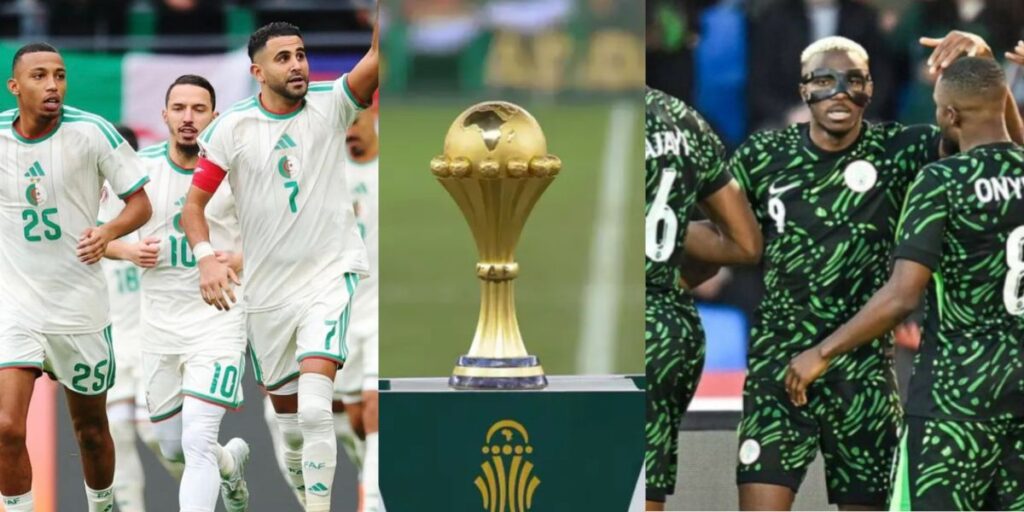

The Algerian Football Federation (FAF) has confirmed that it will submit a second official petition to the Confederation of African Football (CAF) following Algeria’s 2–0 defeat to Nigeria’s Super Eagles in the quarterfinals of the 2025 Africa Cup of Nations (AFCON). The decision comes amid lingering controversy over the officiating of the match, which Algeria claims was marred by questionable decisions that negatively impacted the North African side.
The quarterfinal encounter took place on Saturday, January 10, at the Grand Stade de Marrakech and marked the end of Algeria’s AFCON 2025 campaign. The result also brought goalkeeper Luca Zidane’s clean-sheet run at the tournament to an end, according to official CAF statistics. Nigeria, on the other hand, advanced to the semifinals after a performance widely praised by their supporters for its discipline and tactical execution.
In a statement that has since circulated widely on social media platform X, the Algerian FA accused Senegalese referee Issa Sy of poor officiating and alleged bias in favour of the Nigerian team. According to the federation, several key decisions during the match were questionable and may have influenced the final outcome.
Central to Algeria’s complaint is the claim that the referee denied the team a “clear penalty” at a critical moment in the game. FAF officials argue that the decision, had it been awarded, could have significantly altered the course of the match. The federation further alleged that a number of other calls went consistently in Nigeria’s favour, contributing to what it described as an unfair officiating pattern.
Related News
Kaduna State Government Takes Over Ahmadu Bello Stadium, Begins Major Reconstruction
The Kaduna State Government has officially taken over ownership of the iconic Ahmadu Bello Stadium from the Federal Government, following…

Nigeria Marks Fourth Consecutive Winter Olympics Appearance with Athlete Samuel Ikpefan
Nigeria has continued its growing presence in winter sports with its fourth consecutive appearance at the Winter Olympic Games.

Mikel Obi Reveals How Premier League Rule Blocked Manchester United Move
Former Super Eagles captain John Obi Mikel has disclosed that a Premier League work permit regulation stopped Manchester United from…
Beyond in-game decisions, the Algerian FA also raised concerns about conduct surrounding the conclusion of the match. The federation claimed that referee Issa Sy failed to shake hands with some Algerian players after the final whistle, a gesture traditionally regarded as a sign of sportsmanship. Additionally, FAF accused Nigerian players of provoking Algerian players in the immediate aftermath of the match, further heightening tensions on the pitch.
The statement also included allegations of an incident involving Algerian journalists and media personnel, who were reportedly attacked in the stadium tunnel following the game. While details surrounding the alleged attack remain unclear, the federation said the incident contributed to its decision to escalate the matter to CAF.
“A clear penalty was denied. Several decisions from Senegalese referee Issa Sy were questionable and biased in Nigeria’s favour,” the statement read in part. “The referee allegedly failed to shake hands with Algerian players at full time. Nigerian players provoked them after the final whistle, and Algerian journalists were allegedly attacked in the tunnel.”
According to reports, the Algerian FA is requesting that CAF immediately suspend and remove Issa Sy from the remainder of the tournament pending the outcome of an investigation. This latest petition follows an earlier complaint lodged by the federation shortly after the match, suggesting dissatisfaction with the initial response or progress made by the continental governing body.
CAF is expected to review the petition alongside any supporting evidence submitted by the Algerian FA before determining whether disciplinary action is warranted. While CAF has not yet issued a public statement on the matter, officials are reportedly under increasing pressure to address the controversy as the tournament enters its decisive stages.
Reactions to Algeria’s petition have been mixed. Many Algerian supporters have expressed frustration and called for decisive action, insisting that their team was unfairly treated. In contrast, Nigerian fans and commentators have largely dismissed the allegations, arguing that the Super Eagles were the superior side on the day and deserved their victory based on overall performance and chances created.
Some analysts have also pointed out that Nigeria had a goal disallowed earlier in the match, suggesting that contentious decisions affected both teams. These observers argue that refereeing errors, while unfortunate, are part of the game and should not overshadow on-field performance.
As AFCON 2025 progresses, CAF’s handling of the situation will be closely watched, particularly given the heightened scrutiny surrounding officiating standards in major continental competitions. The outcome of Algeria’s second petition could set an important precedent for how similar disputes are addressed in the future.