AFCON 2025: Super Eagles Face Goalkeeping Uncertainty as Chelle Confirms Nwabali Injury
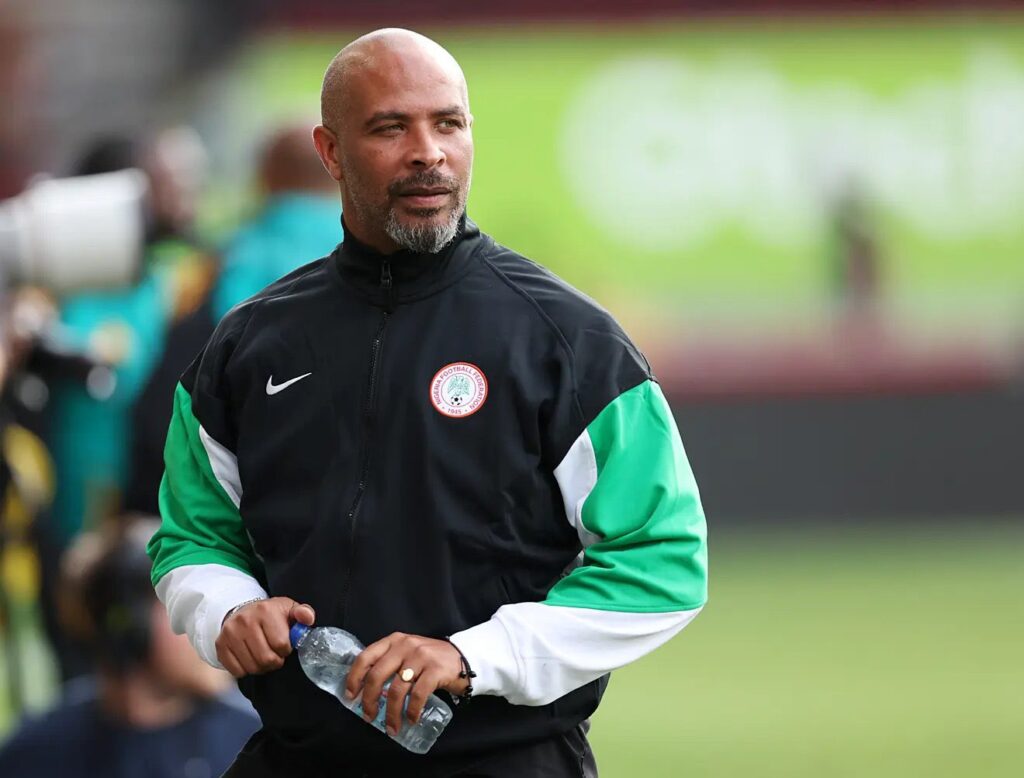

Nigeria’s Super Eagles have been dealt a fresh challenge at the 2025 Africa Cup of Nations following confirmation that first-choice goalkeeper Stanley Nwabali is nursing both knee and ankle injuries. The disclosure was made by head coach Eric Chelle during a media briefing ahead of Nigeria’s final Group C fixture against Uganda, scheduled for Tuesday.
Chelle explained that Nwabali’s condition is being closely monitored and that a final decision on who will start in goal will only be taken after the team’s last training session. The Malian tactician stressed that the priority is effective squad management rather than rushing any player back to action. “We will manage for the team,” Chelle said, suggesting that rotation remains a real possibility despite the importance of maintaining momentum going into the knockout phase.
The timing of the injury announcement is significant. Nigeria currently sit top of Group C with six points and have already sealed qualification to the round of 16 following their victory over Tunisia at the weekend. With progression secured, the coaching crew has some flexibility to experiment, but the absence or limited availability of a starting goalkeeper raises questions about preparedness and depth in a crucial position.
Related News
Kaduna State Government Takes Over Ahmadu Bello Stadium, Begins Major Reconstruction
The Kaduna State Government has officially taken over ownership of the iconic Ahmadu Bello Stadium from the Federal Government, following…

Nigeria Marks Fourth Consecutive Winter Olympics Appearance with Athlete Samuel Ikpefan
Nigeria has continued its growing presence in winter sports with its fourth consecutive appearance at the Winter Olympic Games.

Mikel Obi Reveals How Premier League Rule Blocked Manchester United Move
Former Super Eagles captain John Obi Mikel has disclosed that a Premier League work permit regulation stopped Manchester United from…
Nwabali’s situation has triggered widespread reaction among fans and commentators, particularly on social media. While some supporters expressed concern and wished the goalkeeper a speedy recovery, others interpreted the development differently, describing it as an opportunity to test alternative options between the posts. The reactions have ranged from cautious optimism to outright criticism of Nwabali’s recent performances, reflecting the divided opinions surrounding Nigeria’s goalkeeping department.
Several fans pointed out that other African nations appear to consistently produce multiple reliable goalkeepers, while Nigeria continues to struggle to establish long-term stability in that role. Comparisons were drawn with neighboring countries like Cameroon, which have successfully rotated several competent goalkeepers in recent years. For critics, Nwabali’s injury has once again highlighted a structural weakness that needs urgent attention beyond the current tournament.
There has also been speculation over whether the injury is severe enough to rule Nwabali out of the knockout stages or simply a convenient moment for Chelle to rotate his squad now that qualification is assured. Some observers believe the technical crew may use the Uganda match to assess backup goalkeepers under competitive conditions, particularly given that the stakes are relatively lower compared to earlier group games.
The debate has further intensified discussions around potential replacements. Names like Francis Uzoho and home-based goalkeepers have been mentioned by fans, with opinions sharply divided on who deserves the opportunity. While some supporters are wary of past mistakes in goal, others argue that the only way to build confidence and depth is to trust alternatives when the opportunity arises.
From a tactical standpoint, Chelle faces a delicate balancing act. Resting key players and managing injuries must be weighed against the need to maintain defensive cohesion ahead of the knockout rounds, where margins for error are slim. Any change in goal could affect communication, confidence, and overall team shape, especially against opponents eager to make a statement.
As the Super Eagles prepare for their final group match, attention will remain firmly on Chelle’s selection choices and the handling of Nwabali’s injury. Whether this development proves to be a setback or an opportunity may only become clear as Nigeria transition into the business end of the tournament. For now, the focus remains on squad management, fitness, and ensuring that the Super Eagles are fully prepared for the challenges ahead.