“An Epochal Year Ahead”: Tinubu Projects Economic Upswing, Assures Nigerians of Prosperity in 2026
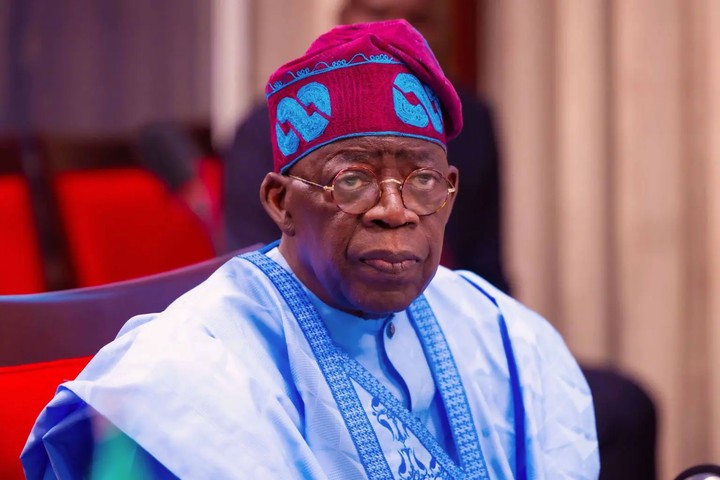

President Bola Ahmed Tinubu has expressed optimism about Nigeria’s economic outlook, assuring citizens that 2026 will be a defining year for prosperity and inclusive growth. According to the President, key macroeconomic indicators and early results of ongoing reforms suggest that the country is on course for sustained economic improvement.
The President made this assurance on Thursday while commending corporate organisations, investors, and stakeholders in Nigeria’s capital market for pushing the Nigerian Exchange (NGX) past the historic N100 trillion market capitalisation milestone. He described the achievement as both symbolic and substantive, signalling renewed investor confidence in the Nigerian economy.
Speaking through his Special Adviser on Information and Strategy, Mr. Bayo Onanuga, President Tinubu disclosed that Nigeria’s current account balance is projected to rise to $18.81 billion in 2026, compared to an estimated $16.94 billion in 2025. He attributed this anticipated growth to the impact of economic reforms implemented by his administration, particularly in fiscal management, taxation, and market liberalisation.
Related News
Presidency Spent ₦34.39bn on Forex for Foreign Travel and Official Obligations in Two Years
Findings from GovSpend, a public finance tracking platform managed by BudgIT, show that Nigeria’s Presidency spent at least ₦34.39 billion…

President Tinubu Returns to Nigeria After Türkiye State Visit, Reactions Trail His Arrival
President Bola Ahmed Tinubu has returned to Nigeria following a state visit to Türkiye, drawing mixed reactions from Nigerians across…

Presidency Explains Tinubu’s Brief Loss of Balance During Official Visit to Turkey
The Presidency has addressed public concern following a viral video showing President Bola Ahmed Tinubu briefly losing his balance during…
According to the President, the performance of the capital market reflects deeper structural changes taking place across the economy. He noted that Nigerian companies, including blue-chip industrial firms, have begun localising their supply chains, reducing exposure to foreign shocks and improving domestic value creation. He also praised the banking sector for its resilience and adoption of technology-driven innovations that have strengthened financial inclusion and stability.
President Tinubu further highlighted the growing interest of new and emerging companies in accessing public markets. He noted that indigenous energy firms, technology startups, telecommunications companies, and infrastructure-focused enterprises are increasingly seeking listings on the NGX to finance expansion. He said these developments would not only boost market capitalisation but also deepen democratic participation in wealth creation by allowing more Nigerians to own shares in the economy.
Beyond the capital market, the President pointed to ongoing investments in infrastructure as evidence of economic progress. He cited the expansion of the national rail network, the completion of major arterial roads, and efforts to revitalise Nigeria’s seaports. He also referenced flagship projects such as the Lagos–Calabar Coastal Highway and the Sokoto–Badagry Superhighway as transformative initiatives aimed at improving connectivity, trade, and long-term productivity.
In the social sector, Tinubu said improvements were being recorded in healthcare and education. He noted that medical facilities across the country were being upgraded, contributing to a gradual reduction in the cost of medical tourism. In the education sector, he highlighted the role of the Nigeria Education Loan Fund (NELFUND) in supporting students, as well as increased research grants to universities.
The President described the N100 trillion market capitalisation milestone as a strong signal to the international community that Nigeria’s economy remains robust and capable of delivering returns on investment. He emphasised that the celebration of stock market growth should be viewed alongside the broader microeconomic effects of government reforms.
“As your leader, I pledge to continue working unrelentingly to build an egalitarian, transparent, and high-growth economy,” Tinubu said, adding that the full implementation of historic tax and fiscal reforms from January 1 would further catalyse economic expansion.
While the President’s assurances have generated mixed reactions among Nigerians, with some expressing optimism and others urging caution, his administration maintains that the reforms currently underway are laying the foundation for long-term stability and prosperity. As 2026 unfolds, many observers note that public attention will increasingly focus on whether projected gains translate into tangible improvements in living standards, security, and economic opportunity for ordinary citizens.