Auditor-General Flags CBN for Re-Circulating ₦29.7bn in Dirty, Unfit Banknotes
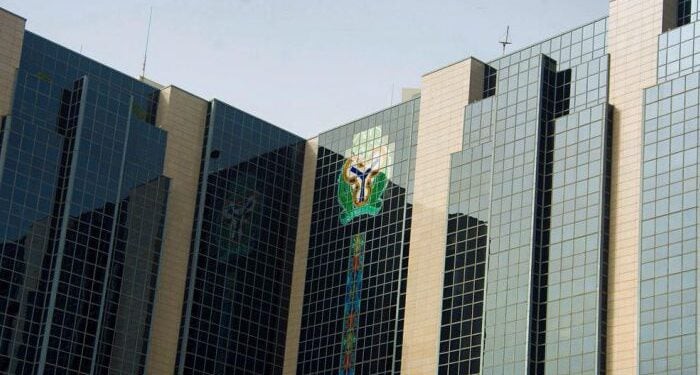

The Office of the Auditor-General of the Federation has issued a major indictment against the Central Bank of Nigeria (CBN), accusing the apex bank of re-circulating ₦29.7 billion worth of dirty and unfit currency notes back into public use. The allegation, which forms part of the Auditor-General’s Annual Report on Non-Compliance and Internal Control Weaknesses for the year ending December 31, 2022, has triggered renewed scrutiny of the CBN’s currency management practices under former Governor Godwin Emefiele.
According to the report, several CBN branches across the country issued out banknotes formally classified as “Counted Audited Dirty”—a category of notes already processed, declared unfit, and scheduled for destruction. Despite this classification, these notes were allegedly reintroduced into circulation between April and December 2022, a move that directly contravenes the CBN’s 2018 Clean Note Policy. The policy explicitly states that only fit, authenticated notes may be issued to the public, while unfit notes must be destroyed and never re-circulated by the CBN or commercial banks.
The audit findings indicate that the Abuja branch accounted for the largest volume of reissued dirty notes, releasing ₦28.6 billion between October and December 2022. The Lagos branch followed with ₦970 million in December, while Bauchi released ₦30 million in April. The Jos branch was cited for two separate releases—₦50 million and ₦100 million—in May of the same year.
Auditors raised concerns that the CBN’s actions posed potential reputational damage to the country while compromising the durability and hygiene of currency in circulation. They attributed the breach to weaknesses in the bank’s internal control systems, emphasizing the need for more robust oversight and compliance mechanisms.
Related News

DSS Tells Court Kaduna Man’s Tweets Could Drag Nigeria into Israel–Iran Conflict
Nigeria’s domestic intelligence agency, the Department of State Services (DSS), has told a court that social media posts allegedly made…
Nigeria Begins Evacuation of Citizens from Iran Amid Escalating Middle East Conflict
The Nigerian government has started evacuating its citizens from Iran as tensions in the Middle East intensify.

Nigeria Surpasses India in Number of People Living in Poverty – Report
New data shared by Statisense suggests that Nigeria now has a higher number of people living below the poverty line…
However, responses from implicated CBN branches varied. Officials at the Abuja branch blamed the COVID-19 pandemic and the cash scarcity that followed, arguing that operational disruptions forced the release of unfit notes to meet urgent public demand. In Bauchi, CBN staff denied issuing any dirty notes altogether. The Jos branch claimed that its actions were driven by military cash requests during heightened security operations, while Lagos officials said the December incident coincided with increased cash demand during the Christmas season.
Despite these explanations, the Auditor-General dismissed all responses as “not satisfactory,” insisting that the findings would stand until corrective actions were implemented. The report recommended that the CBN Governor be summoned by the Public Accounts Committees of both chambers of the National Assembly to justify the violations. It further advised that sanctions under the Financial Regulations be applied if no adequate justification is provided.
In a separate line of observation, the audit uncovered significant delays in the destruction of condemned banknotes. It revealed that 997 boxes of ₦10 notes valued at ₦99.7 million—declared unfit since November 2021—were still undisposed as of October 2023. Additionally, 695 boxes of ₦500 notes worth ₦3.47 billion, processed between October and November 2022, were yet to be destroyed. These delays left a total of ₦3.57 billion in unfit notes lingering in CBN vaults, creating vulnerabilities including pilferage, misappropriation, and inefficiency in currency management.
The CBN responded that briquetting (the note destruction process) had commenced, but auditors rejected the explanation, reiterating that the delay remained unjustified.
These findings add to the mounting controversies surrounding Emefiele’s leadership. Although the audit does not personally indict him, it reinforces broader concerns about systemic lapses and regulatory breaches during his administration. Emefiele is currently facing multiple corruption-related prosecutions—including fraud, procurement breaches, and forex allocation misconduct—across courts in Abuja and Lagos.
The audit revelation also echoes public complaints from 2023, when bank customers and workers reported the increased circulation of dirty, mutilated old notes despite the CBN’s ongoing naira redesign programme. At the time, several bank staff expressed fears that the poor condition of notes could pose health risks.
The Auditor-General’s report is expected to shape upcoming parliamentary hearings as lawmakers prepare to question CBN leadership over the alleged breaches, currency management delays, and broader implications for public trust.