Conflicting Reports Emerge Over Alleged Death of Iran’s Supreme Leader Ayatollah Ali Khamenei
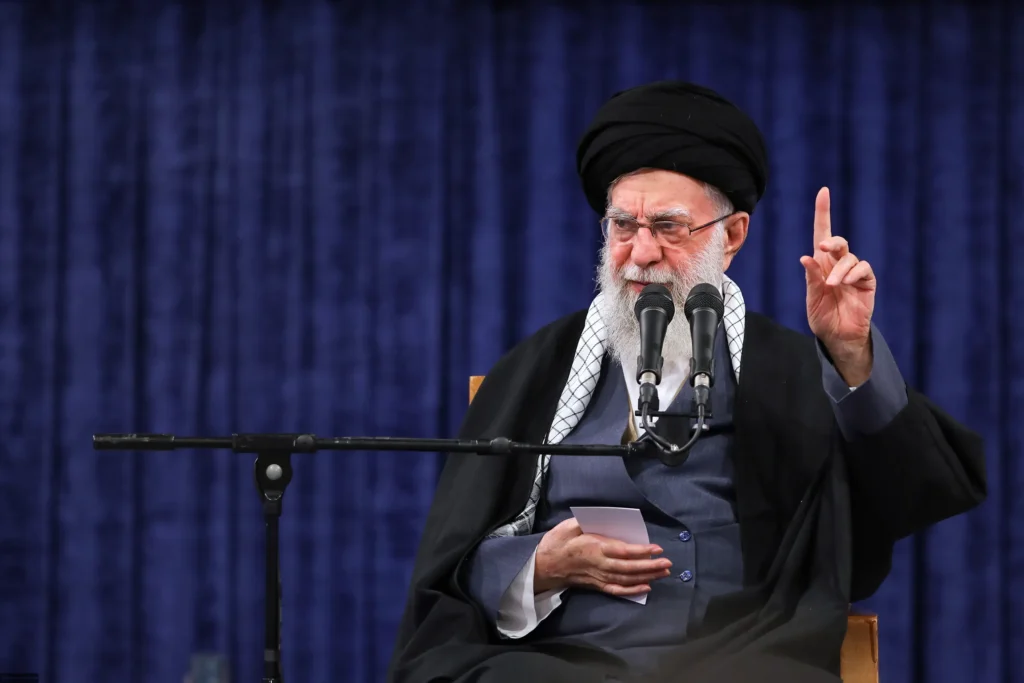

Unverified reports circulating in sections of the international media on Saturday claimed that Iran’s Supreme Leader, Ayatollah Ali Khamenei, may have been killed following a major military strike allegedly carried out by Israeli forces with US backing. However, as of the time of reporting, there has been no official confirmation from Iranian authorities regarding his death.
According to reports attributed to unnamed Israeli officials, the 86-year-old leader was said to have been caught in an airstrike targeting high-value military and strategic locations. Some accounts alleged that his body was discovered beneath rubble following the bombardment. The claims were amplified across social media platforms and online forums, rapidly generating global attention.
Despite the intensity of the reports, the Iranian government has yet to issue a formal statement confirming or denying the claims. In situations involving senior state officials, especially one of Khamenei’s stature, official confirmation typically comes through state media or a formal announcement from the office of the Supreme Leader. At the time of publication, no such announcement had been made.
Related News

Trump’s 2013 Tweet on Obama and Iran Resurfaces Amid Fresh US–Israel Strikes
A 2013 social media post by former US President Donald Trump predicting that then-President Barack Obama would attack Iran has…

European Leaders Push Back Against Trump’s Tariff Threats Amid Escalating Greenland Dispute
European leaders have strongly rejected tariff threats issued by former U.S. President Donald Trump over Greenland, warning that such measures…
Trump Announces Sanctions and Tariffs on NATO Allies Over Greenland Dispute
Former U.S. President Donald Trump has announced sweeping tariffs against several NATO and European Union allies
The alleged strike comes amid escalating tensions between Iran and Israel, with hostilities reportedly intensifying in recent days. Israeli Prime Minister Benjamin Netanyahu has previously maintained a firm stance against Iran’s regional influence and military activities. Meanwhile, former US President Donald Trump has also made strong public statements in the past regarding Iran’s leadership and nuclear ambitions.
Observers caution that in times of military conflict, misinformation and propaganda often spread rapidly, particularly on social media. Analysts note that high-profile claims such as the death of a sitting head of state or supreme leader require substantial evidence and official verification before they can be treated as fact.
The uncertainty surrounding the reports has sparked widespread reactions online. Supporters of Israel have described the alleged development as a strategic breakthrough, while others have urged restraint and called for verified information before drawing conclusions. Some commentators stressed the need to avoid inflammatory rhetoric, noting that escalating language can further deepen tensions in an already volatile region.
Ayatollah Ali Khamenei has served as Iran’s Supreme Leader since 1989, following the death of Ayatollah Ruhollah Khomeini. As Supreme Leader, Khamenei holds ultimate authority over Iran’s armed forces, judiciary, and key state institutions. His position makes him one of the most powerful political and religious figures in the Middle East.
If confirmed, his death would mark a profound turning point in Iranian politics and could significantly alter the regional balance of power. Succession procedures in Iran involve the Assembly of Experts, which is constitutionally tasked with appointing a new Supreme Leader. However, any transition during an active military conflict would likely introduce additional uncertainty.
Security analysts warn that unverified reports of this magnitude could also trigger diplomatic consequences, financial market reactions, and heightened military alertness across the region. Governments and international organisations are closely monitoring the situation for credible updates.
Until an official statement is issued by Iranian authorities or independently verified evidence emerges, the reported death of Ayatollah Ali Khamenei remains unconfirmed. The situation continues to develop, and international observers are urging caution in the dissemination of unverified claims.