Customs Recruitment Sparks Controversy Over Alleged Regional Imbalance
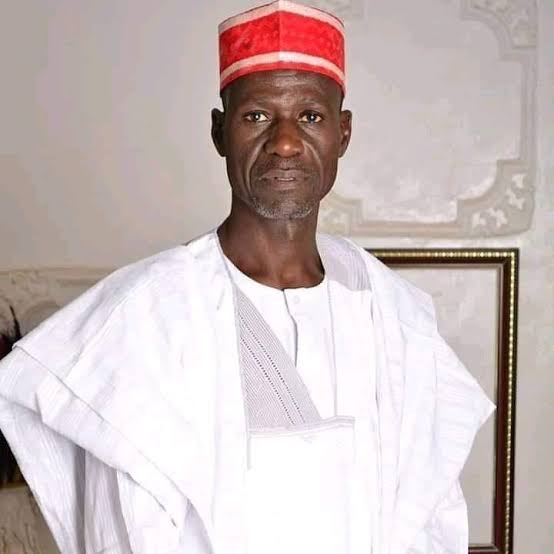

A heated debate has erupted following allegations by the Kano State House of Assembly Majority Leader, Hon. Lawan Hussaini Dala, that the Nigeria Customs Service (NCS) recruitment exercise heavily favoured the South-West region—particularly Lagos State—at the expense of northern states.
Speaking during plenary on Wednesday, Dala described the recruitment process as “a clear violation of the Federal Character principle”, which mandates equitable representation of all regions in federal employment and appointments. He claimed that the exercise displayed what he called a “gross injustice and imbalance” that undermines national unity.
According to Dala, out of 1,785 candidates recruited nationwide, Lagos State received 207 slots, the highest allocation across the federation. Other South-West states reportedly benefited as follows: Ogun (145), Ondo (132), Osun (127), Oyo (108), and Ekiti (93)—a total of 812 recruits, representing over half of the entire national intake.
By contrast, Dala stated that the North-West region received only a fraction of the opportunities. Kano, the most populous northern state, allegedly got 31 slots, while Katsina received 20, Jigawa (18), and Zamfara (16)—amounting to just about 7 percent of the total recruits. Extending his analysis to the entire northern region, Dala said only 651 slots were allocated across all northern states combined.
“This is injustice,” he declared. “If we keep quiet, our people will continue to be shortchanged. The Nigeria Customs Service, if allowed to continue this way, will soon reflect only one ethnic and regional identity.”
Related News

Rights Group Accuses Police of Judicial Persecution Over Remand of Blogger Maureen Badejo
The Committee for the Defence of Human Rights (CDHR) has accused the Nigeria Police Force of engaging in judicial persecution…

Enugu Government Declares 90-Day Amnesty for Buildings Without Approved Plans
The Enugu State Government has introduced a 90-day amnesty period for property owners whose buildings lack approved plans, offering them…

China to Remove Tariffs on Most African Imports Starting May 1, Says Xi Jinping
China has announced plans to eliminate tariffs on imports from nearly all African nations beginning May 1, a move President…
Dala urged the Kano State House of Assembly to officially register its protest with the National Assembly, the Federal Character Commission (FCC), and the Nigeria Customs Service, demanding a review of the recruitment process to ensure fairness and inclusivity. He warned that such imbalances could “deepen regional mistrust and threaten national cohesion” if not urgently corrected.
“We are calling on the Federal Character Commission and other relevant authorities to uphold the principles of equity and justice as enshrined in the Constitution,” he added.
Other lawmakers in the Kano Assembly backed Dala’s motion, describing his stance as “a patriotic move in defence of fairness and justice.” The Speaker of the House commended the Majority Leader for bringing the issue to public attention and directed the relevant committee to investigate the recruitment figures and submit a report for further legislative action.
The controversy has since spread beyond the Assembly, sparking a fierce debate online. Some commentators argued that northern politicians are now experiencing what southern states had endured for years under previous administrations. Others, however, maintained that merit and performance should take precedence over regional quotas.
Critics from the South-West defended the allocations, asserting that Lagos and Ogun deserved recognition for their economic contributions and strategic importance to national revenue. They argued that the region’s ports, industries, and population density justify a larger representation in agencies such as the Nigeria Customs Service.
Conversely, northern voices online accused the current administration of political favouritism, likening the imbalance to “a reversal of the inequities” they claimed existed during the previous government.
The Federal Character Commission and the Nigeria Customs Service have yet to officially respond to the allegations as public scrutiny continues to intensify.
Observers warn that the controversy underscores a recurring tension in Nigeria’s federal employment system — the delicate balance between merit-based recruitment and equitable regional representation. Without transparency and reform, analysts say, such disputes could continue to fuel division across the federation.