Defence Headquarters Urges Nigerians to Respect the Military Amid FCT Land Dispute
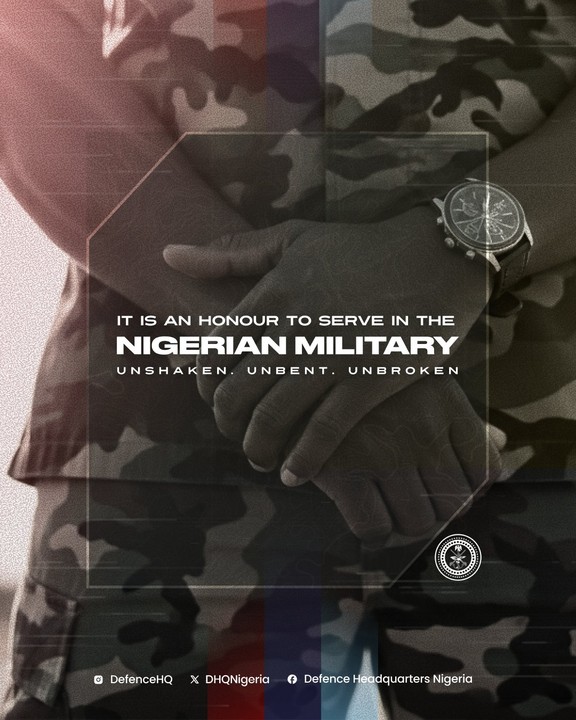

The Defence Headquarters (DHQ) has released a statement emphasizing the honour and discipline associated with serving in the Nigerian Armed Forces, urging citizens to show respect for the military uniform and the men and women who wear it. The message, shared via the official DHQ handle on X (formerly Twitter), read: “We stand for Duty. Discipline. Respect. Always. #UnshakenUnbentUnbroken #RespectTheUniform.”
The statement, while seemingly general, comes at a sensitive time following a heated confrontation between the Minister of the Federal Capital Territory (FCT), Nyesom Wike, and a naval officer reportedly deployed to guard a piece of land linked to a retired Chief of Naval Staff. The incident, which has dominated national discourse, has raised complex questions about military conduct, civilian authority, and property rights in the FCT.
Public reaction to the Defence Headquarters’ post was immediate and intense, reflecting Nigeria’s divided sentiments toward the military’s role in civil affairs.
Some Nigerians backed the DHQ’s call for respect, with users like Houseofglam7 affirming, “The Nigerian military should be respected!” and ariesbull adding, “It’s an honour to serve in any office, be it private or general.” Others, however, argued that respect must be earned through consistent professionalism rather than demanded.
Related News

DSS Tells Court Kaduna Man’s Tweets Could Drag Nigeria into Israel–Iran Conflict
Nigeria’s domestic intelligence agency, the Department of State Services (DSS), has told a court that social media posts allegedly made…
Nigeria Begins Evacuation of Citizens from Iran Amid Escalating Middle East Conflict
The Nigerian government has started evacuating its citizens from Iran as tensions in the Middle East intensify.

Nigeria Surpasses India in Number of People Living in Poverty – Report
New data shared by Statisense suggests that Nigeria now has a higher number of people living below the poverty line…
One commenter, oz4real83, criticized the military’s perceived politicization, writing, “What is bringing ‘see finish’ to the military is because they have allowed politicians and criminals to use them over the years.” Another user, CodeTemplarr, noted, “Replicate same to Boko Haram and bandits. That officer is obviously backed by strong army men who have interest in that land.”
The more legal-minded participants in the debate highlighted the constitutional framework governing military operations in a democracy. User ALTERNATEID wrote a lengthy post explaining that “the military is subjected to civilian control” and that “no one has the power to deploy soldiers for an internal operation without the President’s approval.” He argued that the alleged deployment of soldiers to guard private land “creates a banana republic” and called for disciplinary measures against those involved.
Others countered that position, accusing the FCT Minister of high-handedness and bias in his land revocation policies. DonEd responded, “As versed as you are, aren’t you aware of the discredit that Wike has heaped on himself as regards land revocation and reallocation to friends and family? Won’t you protect your property knowing justice won’t be served?”
Several commenters, such as ElSudani and saddler, used the opportunity to critique the military’s human rights record. “Some Nigerians are so mentally brutalized by military rule they see officers as demi-gods,” wrote ElSudani. Saddler added, “These same military officers are quick to violate civilian rights. You guys deserve all you get and even worse.”
Others viewed the situation as a political powder keg. Shawarmagirl suggested the confrontation could “mark the beginning of a fallout between Wike and President Tinubu.”
The Defence Headquarters, for its part, has not issued a follow-up clarification, but sources within the armed forces suggest the message was intended as a reminder of professionalism, not a direct defense of any officer involved in the dispute.
Nevertheless, the controversy underscores a recurring tension in Nigeria’s civil-military relations: balancing the constitutional subordination of the armed forces to civilian authority with the institution’s demand for dignity and respect.
As the FCT administration and the Defence authorities navigate this latest flashpoint, Nigerians continue to debate where the line should be drawn between civilian oversight, military honour, and political influence.