Facebook Deletes Account of Nigerian Cleric Rev. Ezekiel Dachomo Amid Rising Outcry Over Christian Killings
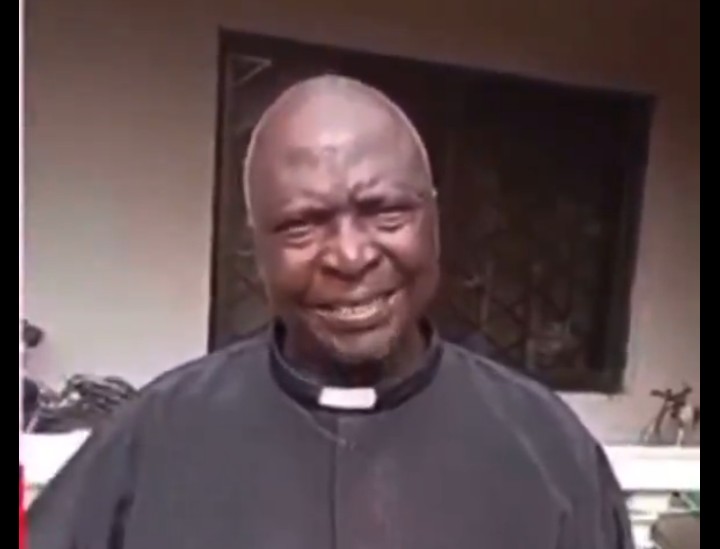

Reverend Ezekiel Dachomo, a well-known Plateau State cleric and one of the most vocal religious figures speaking out about the alleged ongoing genocide against Christians in Nigeria, has had his Facebook account deleted—an action that has stirred intense public reaction both online and offline.
The deletion was confirmed by Dachomo himself in a brief exchange with the Daily Post on Saturday. When asked directly whether Facebook had removed his account, he responded with a concise but telling confirmation: “It’s true.” That simple acknowledgment has since triggered debates across the country, given the sensitive nature of the issues he has been addressing and the political climate surrounding them.
For months, Dachomo has been one of the leading voices drawing international attention to what he describes as systematic and targeted killings of Christians in the Middle Belt, especially in Plateau State. His interviews, public sermons, and online commentaries—many of which went viral—have painted a harrowing picture of mass attacks, village destruction, and mass burials. In a widely discussed interview with British journalist Piers Morgan, Dachomo stated that he personally conducted more than 70 mass burials for victims of violence, a claim that shocked global audiences and intensified scrutiny on Nigerian authorities.
His advocacy has not been confined to social media. Recently, Dachomo testified before members of the United States Congress, providing firsthand accounts of killings, displacement, and community-level trauma. His testimony contributed to renewed conversations in the US about religious persecution in Nigeria, particularly among lawmakers who have criticized the Nigerian government for downplaying the severity of the crisis.
Related News
DSS Tells Court Kaduna Man’s Tweets Could Drag Nigeria into Israel–Iran Conflict
Nigeria’s domestic intelligence agency, the Department of State Services (DSS), has told a court that social media posts allegedly made…
Nigeria Begins Evacuation of Citizens from Iran Amid Escalating Middle East Conflict
The Nigerian government has started evacuating its citizens from Iran as tensions in the Middle East intensify.
Nigeria Surpasses India in Number of People Living in Poverty – Report
New data shared by Statisense suggests that Nigeria now has a higher number of people living below the poverty line…
The tension between Nigeria and the US over religious-freedom assessments is not new. Former US President Donald Trump once placed Nigeria on the list of “Countries of Particular Concern,” a designation reserved for nations where severe religious persecution occurs. Nigerian officials, however, have repeatedly disputed such classifications, most recently describing them as reliant on “faulty statistics” when defending the country’s human-rights record in Washington.
Dachomo’s Facebook deletion appears to have deepened suspicions among supporters who believe the cleric is being targeted because of his activism. Across social media platforms, many users expressed disappointment and outrage, describing the move as an attempt to silence uncomfortable truths about widespread violence and government failures. Several commenters emphasized that while a platform may delete an account, it cannot delete lived experiences or erase the realities Dachomo has spoken about.
Others criticized Facebook itself, calling the action a blow against free speech and a troubling precedent for silencing whistleblowers, religious leaders, and human-rights advocates. Many urged the cleric to shift to alternative platforms such as X, YouTube, Telegram, or decentralized networks where censorship concerns are perceived to be lower.
Some, however, argued that Dachomo should have anticipated such a development, given Facebook’s increasingly strict moderation policies around politically sensitive content, graphic violence, and narratives that major governments dispute. To them, relying heavily on a single platform for activism posed a predictable risk.
The incident comes at a time when national frustration over insecurity continues to rise. Many Nigerians feel unheard, unprotected, and misrepresented. For them, Dachomo’s voice has become symbolic—not only of Christian suffering, but of broader failures of governance, accountability, and justice.
As reactions continue to build, one thing is clear: deleting his Facebook account has not reduced attention on the issues Dachomo raises. If anything, the move has amplified public interest and sparked new questions about free expression, transparency, and the safety of minority communities in Nigeria.
For now, the cleric has not publicly announced his next steps, but supporters insist that while an account may be deleted, the message—and the movement behind it—will not be silenced.