Governor Alex Otti Visits Nnamdi Kanu in Sokoto Correctional Centre Amid Intensifying Public Reactions
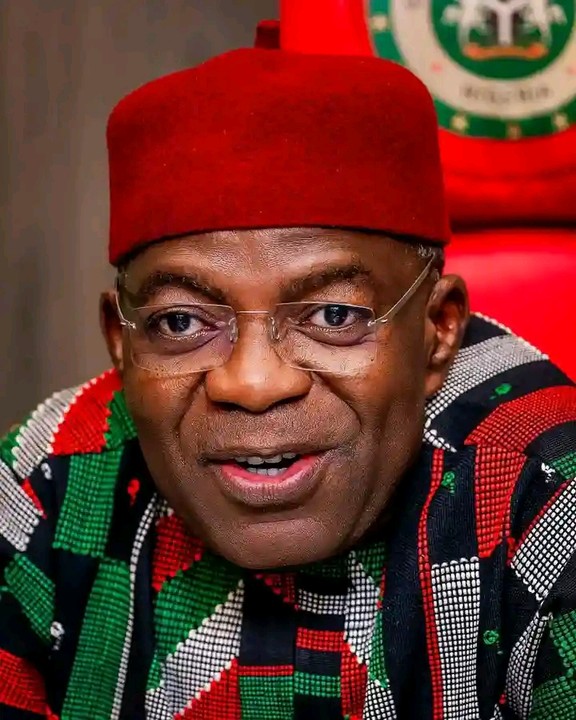

Abia State Governor, Dr. Alex Otti, on Sunday paid a formal visit to Mazi Nnamdi Kanu, the detained leader of the proscribed Indigenous People of Biafra (IPOB), at the Sokoto Correctional Centre. The visit — confirmed by Kanu’s legal representatives and family members — marks one of the most politically significant engagements involving the separatist leader since his conviction and transfer to the northern facility.
The development was first disclosed publicly by Kanu’s special counsel, Aloy Ejimakor, who described the governor’s visit as both commendable and strategic. In a post on his social media page, Ejimakor stated that Otti had “fulfilled the promise” made earlier to meet with Kanu in detention. He expressed appreciation to the governor for what he called a “gutsy and compassionate step,” adding that he hoped the visit would mark the “first step toward ending this undeserved ordeal.”
Similarly, Prince Emmanuel Kanu, brother to the detained activist, confirmed the meeting and praised both the governor and the Sokoto community for what he termed “a unified statement” through their reception of the Abia leader. Emmanuel noted that the visit carried symbolic weight, especially given recent tensions surrounding the case and the political sensitivities involved.
Related News

DSS Tells Court Kaduna Man’s Tweets Could Drag Nigeria into Israel–Iran Conflict
Nigeria’s domestic intelligence agency, the Department of State Services (DSS), has told a court that social media posts allegedly made…

Nigeria Begins Evacuation of Citizens from Iran Amid Escalating Middle East Conflict
The Nigerian government has started evacuating its citizens from Iran as tensions in the Middle East intensify.

Nigeria Surpasses India in Number of People Living in Poverty – Report
New data shared by Statisense suggests that Nigeria now has a higher number of people living below the poverty line…
Governor Otti has long maintained interest in the legal and humanitarian dimensions of Kanu’s situation. Following Kanu’s sentencing to life imprisonment, the governor had publicly stated that efforts were underway to seek his release. According to Otti, such efforts predated his assumption of office and were initiated during the height of Kanu’s trial. Although the governor has not yet released an official statement regarding the latest visit, Sunday’s development aligns with his earlier pledge to “activate all legitimate strategies” toward securing what he called Kanu’s “final freedom.”
The visit, however, immediately sparked intense reactions across public forums. Supporters praised Otti for taking what they considered a bold and empathetic step, especially amid national political divide on the IPOB matter. Critics, on the other hand, questioned the governor’s priorities and accused him of diverting attention from governance issues within Abia State.
Some commentators argued that the visit was politically motivated, suggesting it could be used as a campaign tool in future electoral cycles. Others viewed it as part of a broader regional expectation that elected officials address the Kanu issue in some capacity due to its emotional and political resonance in the South-East.
A recurring theme in discussions following the news was the contrast between Kanu’s incarceration and the perceived impunity of other public figures accused of inflammatory rhetoric. Several commenters referenced individuals who, despite controversial statements, continue to occupy positions of influence. Others used the moment to revisit longstanding grievances surrounding the federal government’s handling of separatist agitation, counterinsurgency, and regional security.
The discourse also took on a confrontational edge, with debates arising over the characterization of Kanu as either a freedom advocate, political prisoner, or terrorist — depending on the ideological standpoint of contributors. Some participants drew comparisons with global historical figures once labeled as enemies of the state before later being reassessed as political icons. Others rejected such parallels outright.
Amid the polarized reactions, a notable viewpoint emphasized the significance of the governor’s visit in providing public assurance regarding Kanu’s welfare, especially given recurring speculation about his health and treatment in custody.
As the fallout from the visit continues to unfold, many observers note that it underscores both the deep divisions and persistent sensitivities surrounding the IPOB case. With Governor Otti’s involvement now drawing renewed national attention to the matter, political stakeholders and legal actors may face increased pressure to clarify the path forward in Kanu’s ongoing detention and appeals process.