Lagos Set to Host Ambitious 96-Hour DJ Marathon Festival Featuring 100 DJs
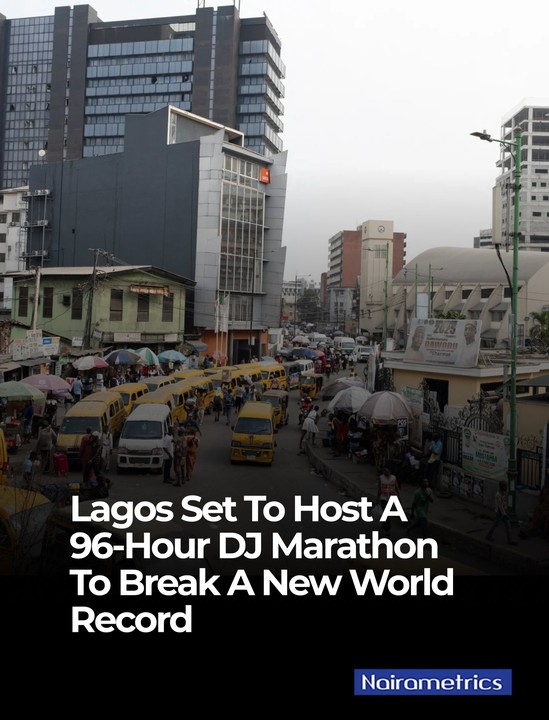

Lagos is preparing to light up the end-of-year calendar with one of its most daring entertainment events yet — a 96-hour non-stop DJ Marathon Festival scheduled to run from December 29, 2025 to January 2, 2026. The event aims to set a new world record for the longest continuous DJ performance, with 100 DJs taking hourly turns across four straight days of uninterrupted music.
According to organisers, the marathon is designed not only as a record-breaking attempt but also as a celebration of Lagos’ globally recognised party culture. The festival will reportedly feature a diverse lineup of both Nigerian and international DJs, with the entire event expected to stream live to over 100 countries, offering a massive spotlight on Lagos as a nightlife and entertainment hub.
While the announcement has generated excitement among music lovers and partygoers eager for a vibrant “Dirty December,” it has also sparked debate and criticism across online communities. Some see the initiative as a bold and creative way to boost tourism and global visibility, while others argue it highlights misplaced priorities at a time when the country faces serious socio-economic challenges.
Related News

Wizkid Responds to 2Baba’s Burna Boy Comment, Sparks Debate Over Afrobeats Global Rankings
A social media exchange between Wizkid and veteran singer 2Baba has stirred widespread debate after the latter described Burna Boy…

Phyna Denied Entry to BBNaija Winner Imisi’s Birthday Party Over Livestreaming Dispute
Reality TV star Phyna was reportedly denied entry to BBNaija Season 10 winner Imisi’s birthday party after refusing to stop…

TikTok Star Peller Seeks ₦11 Million Public Support to Fix Damaged Mercedes-Benz SUV After Lekki Crash
Popular TikTok streamer Habeeb Hamzat, popularly known as Peller, has appealed to fans and followers for ₦11 million to repair…
Supporters of the event point to Lagos’ reputation for nightlife, cultural expression, and large-scale entertainment, arguing that the festival could stimulate economic activity. Vendors, event planners, transport providers, security professionals, and hospitality businesses are expected to benefit from the influx of attendees.
But not everyone is convinced. Critics online described the idea as unnecessary and insensitive, questioning why such energy and resources should go into a marathon party when issues like poor infrastructure, rising crime rates, and economic hardship remain pressing.
Some commenters expressed disbelief at the concept itself. One user wondered why anyone would imagine dancers would need to stay on their feet for four days straight, calling the idea “madness.” Others quickly corrected the misconception — explaining that the marathon refers to the DJs performing non-stop, not the audience dancing endlessly.
Still, concerns continued to surface. Nigerians voiced worries about security, traffic congestion, resource allocation, and the potential involvement of taxpayer funds. Several users described the festival as evidence of the state prioritising spectacle over essential public services such as education, healthcare, road maintenance, and basic amenities.
For others, the criticism was simply part of a broader frustration with governance and public spending. They argued that events of this scale should come only after major quality-of-life issues have been addressed. Some highlighted the persistent challenges of water scarcity, inadequate public schools, and unmet pension obligations as examples of areas requiring more urgent attention.
On the other hand, some Lagosians embraced the announcement with humor and anticipation, calling the festival “classic Lagos energy” and a perfect way to close out the year. For this group, the DJ marathon represents an opportunity to celebrate, unwind, and enjoy the nightlife culture that the city is known for.
Whether viewed as an exciting cultural milestone or another example of misplaced priorities, one thing remains clear: the event has captured the attention of Nigerians across the country. As the countdown to December begins, Lagos prepares for an ambitious celebration that promises music, energy, and global spotlight — along with plenty of debate.