New Documents Reveal How Pro-Biafra Groups Shaped U.S. Pressure on Nigeria Over Alleged Genocide
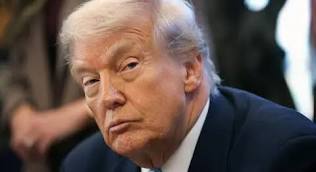

Newly obtained documents from the United States Department of Justice have shed light on how diaspora-based Biafra advocacy organisations helped shape U.S. political perceptions of Nigeria’s security challenges, culminating in Donald Trump’s designation of Nigeria as a “Country of Particular Concern” (CPC) during his presidency. The filings, made under the Foreign Agents Registration Act (FARA), detail the extent to which these groups targeted American policymakers with a narrative of widespread persecution of Christians in Nigeria.
According to the documents, the lobbying efforts were spearheaded by the “United States of Biafra,” a coalition that includes the Biafra Republic Government in Exile and the Biafra De Facto Government in the Homeland. These organisations presented themselves as representatives of a persecuted population facing what they described as a “genocidal onslaught.” Their messaging focused heavily on the deaths, displacement, and destruction caused by Boko Haram, ISWAP, and militia groups since 2009, framing the violence as part of a deliberate attack on Christians.
The filings also show that the groups strategically targeted conservative U.S. political circles known to be influential within the Trump administration. The narrative they promoted emphasised two key themes: the protection of Christians and the need to counter China’s expanding influence in Africa. By aligning their message with American geopolitical and religious priorities, the groups gained access to sympathetic lawmakers.
Related News

DSS Tells Court Kaduna Man’s Tweets Could Drag Nigeria into Israel–Iran Conflict
Nigeria’s domestic intelligence agency, the Department of State Services (DSS), has told a court that social media posts allegedly made…

Nigeria Begins Evacuation of Citizens from Iran Amid Escalating Middle East Conflict
The Nigerian government has started evacuating its citizens from Iran as tensions in the Middle East intensify.

Nigeria Surpasses India in Number of People Living in Poverty – Report
New data shared by Statisense suggests that Nigeria now has a higher number of people living below the poverty line…
Senator Ted Cruz became one of the most vocal amplifiers of this claim. In a video circulated on social media, Cruz asserted that “no country in the world persecutes Christians more than Nigeria,” echoing language used directly in the lobbying materials submitted to U.S. officials. He referenced repeated attacks in northern and central Nigeria, where insurgents have killed thousands and destroyed hundreds of churches over the last decade.
The documents also detail an international declaration signed in Lahti, Finland, on December 2, 2024. In that statement, Biafra-aligned leaders accused the Nigerian government of committing genocide. Among the signatories was Simon Ekpa, a Finnish citizen and a prominent voice in the movement. Ekpa is currently serving a six-year prison sentence in Finland for terrorism-related offences and financial crimes, a fact that has further complicated the movement’s global image. Other signatories included U.S.-based figures Dr. Ngozi Orabueze and Diane Emeh, who hold leadership roles within the diaspora structure.
The filings reveal that much of the organisation’s activity focuses on cultivating legitimacy abroad rather than within Nigeria itself. Internal documents outline processes for appointing leaders, raising funds, issuing public statements, and conducting “governance” activities. Following an internal vote between February and November 2024, the coalition announced the “restoration” of the United States of Biafra and listed 40 confederating states under its claimed authority, with Ekpa named coordinator of the transition government.
The Daily Trust report notes that Trump’s CPC designation came amid growing pressure from U.S. lawmakers, humanitarian groups, and religious-freedom advocates. While the designation does not automatically impose sanctions, it places Nigeria under heightened scrutiny for alleged failures to protect its Christian population. The Nigerian government has repeatedly rejected the genocide claims, insisting that both Christians and Muslims are victims of terrorism and armed banditry. Officials argue that attacks in the Middle Belt, Northwest, and Northeast are driven by criminality, extremism, and resource conflict, not a targeted campaign against any religion.
Public reaction to the revelations has been sharply divided. Online discussions reflect deep political, ethnic, and regional tensions. Some commenters argue the documents confirm long-held suspicions that diaspora groups influenced U.S. policy using exaggerated claims. Others insist that the violence documented across Nigeria, particularly in Plateau, Benue, Southern Kaduna, and Borno, constitutes a clear pattern of persecution that needed global attention.
Several users noted that middle-belt Christian leaders have testified before the U.S. Congress about attacks on their communities, challenging the idea that the Biafra groups single-handedly shaped U.S. views. Others dismissed the Daily Trust report entirely, accusing it of pushing a political agenda.
The disclosures come at a time when Nigeria’s security landscape remains volatile, and accusations of selective reporting, propaganda, and misinformation continue to complicate public understanding of the crisis. The newly released documents provide rare insight into how diaspora activism, international lobbying, and domestic insecurity intersect — and how these dynamics can influence foreign policy decisions at the highest level.